








**Is the Feeling of Teeth Crowns After Getting Implants in the North a Sign of Bacteria?**
In recent years, an increasing number of Hong Kong residents have opted to travel north for dental treatments, particularly for dental implants and crowns. Many find the northern clinics well-equipped with satisfactory techniques, and they often turn the journey into a vacation. However, some patients have reported a peculiar sensation months after returning to Hong Kong. Especially around the seams between the teeth and the crown, some feel an odd sensation, as if dental plaque is accumulating. Does this imply bacterial growth? Let’s explore this from a practical standpoint.
**Why Do Crown Seams Cause A Strange Feeling?**
After completing a dental implant, the crown is fixed directly onto the artificial tooth root. Although dentists ensure the crown is well-fitted against the gums, a small seam remains between the tooth and the crown, especially between artificial and real teeth. If these seams are not thoroughly cleaned, dental plaque can easily accumulate. Dental plaque, formed by oral bacteria and food debris, initially feels slippery and itchy. If left unaddressed, it can harden into tartar and even lead to gingivitis.
**Getting Implants Up North Doesn’t Mean Youre All Set**
Many believe that once the implant process is complete, they can eat freely without special care. In truth, regardless of whether you get your implants in the north or in Hong Kong, artificial teeth need proper care. While the artificial tooth surface lacks nerves and won’t have cavity issues, the gums and real teeth around the crown seams are still susceptible to bacterial influence. Care for implants requires more attention than natural teeth because the shape of artificial teeth and crowns often differ from natural teeth, creating more cleaning blind spots.
**Signs of Bacterial Growth**
If you notice an itchy feeling and slight swelling around the crown seam or bleeding when brushing, it might be due to excessive dental plaque causing gum sensitivity. Bad breath and a sticky feeling in your mouth after eating also signal active bacteria. Addressing these issues early can reverse them, but delayed action allows bacteria to penetrate the periodonta
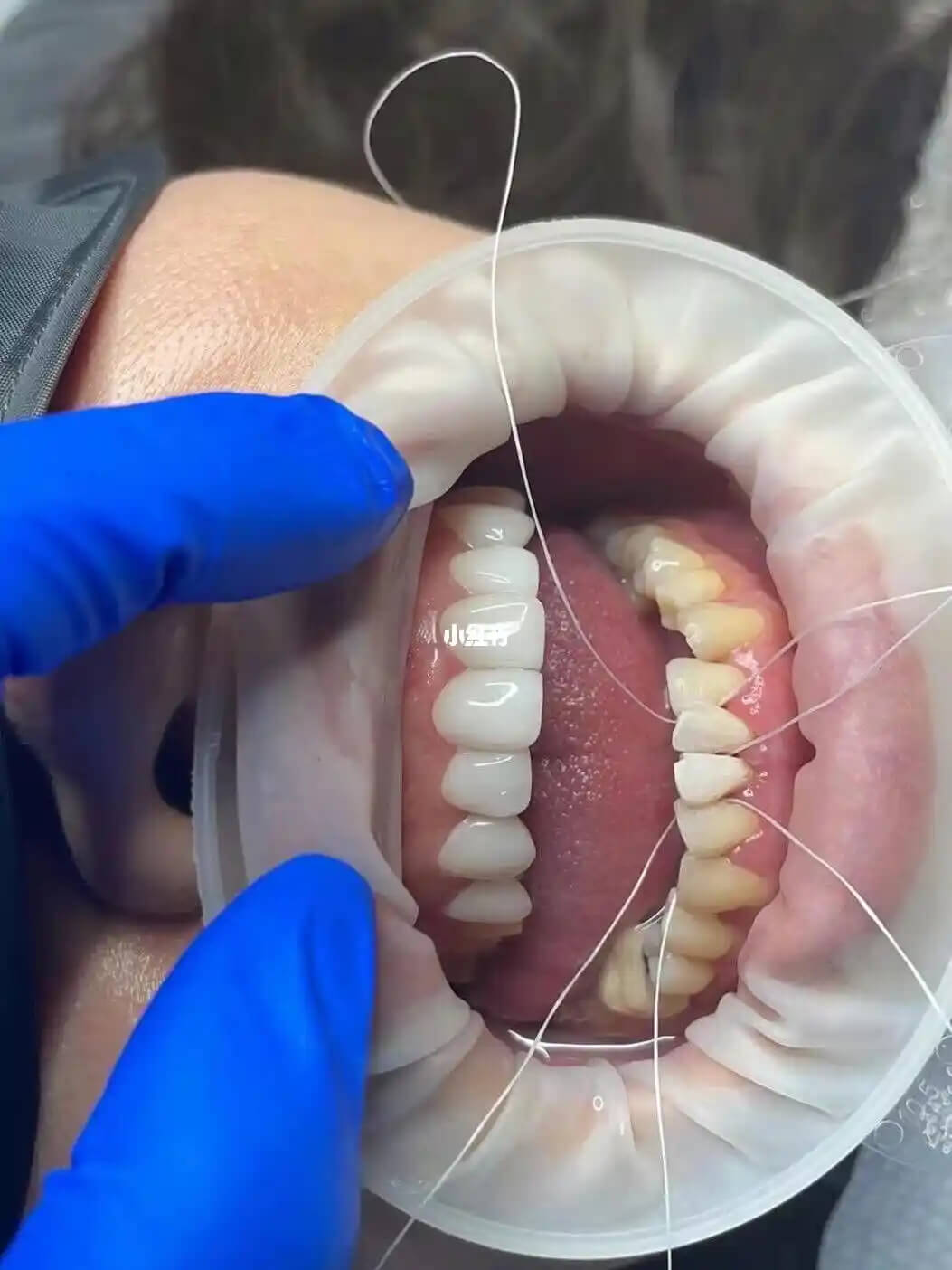
l membrane, affecting the stability of the implant. Severe cases may require crown or periodontal treatment.
**How to Prevent Bacterial Buildup in Crown Seams**
1. **Use Dental Floss or Interdental Brushes**: Carefully use floss or interdental brushes at least once a day around the crown seams to gently remove dental plaque.
2. **Proper Brushing Technique**: Angle the toothbrush bristles towards the gums and brush gently to ensure the crown and gum junction is clean.
3. **Rinse with Mouthwash**: Choose a mild antibacterial mouthwash to help reduce oral bacteria.
4. **Regular Check-ups**: Visit your dentist every six months to a year to assess the state of your implants and crowns, even if theres no pain.
**Lifestyle Habits Matter Too**
Neglecting to rinse your mouth after meals is a bacterial paradise, particularly with sugary or sticky foods like cakes and candies. These foods easily stick to crown seams, feeding bacteria. Regular hydration maintains oral moisture, allowing saliva to naturally rinse away some bacteria. Avoid biting hard objects to prevent undue stress on crowns, which could widen micro-fissures.
**Tips for Post-Implant Care in the North**
If you’ve done dental treatments up north, retain your dentists contact information to consult them immediately if discomfort arises after returning to Hong Kong. Document your crown and gum conditions to share with your dentist during future check-ups either in the north or Hong Kong. The key to maintaining artificial teeth is not location-bound; regular check-ups and continuous cleaning habits are essential.
**Conclusion**
The feeling of itchiness around crown seams shouldn’t be overlooked, often signaling dental plaque and bacterial issues. If youve had implants in the north, don’t assume youre done once the treatment concludes. Daily care and regular inspections are crucial for the longevity of artificial teeth. Remember, oral health isnt a one-time task but requires persistent nurturing for durable and comfortable use.
Should you need further optimization or expansion of this article with additional SEO keywords like "cross-border implant care," "crown cleaning methods," or "gingivitis prevention," I can assist. Would you like my help with that?
















