




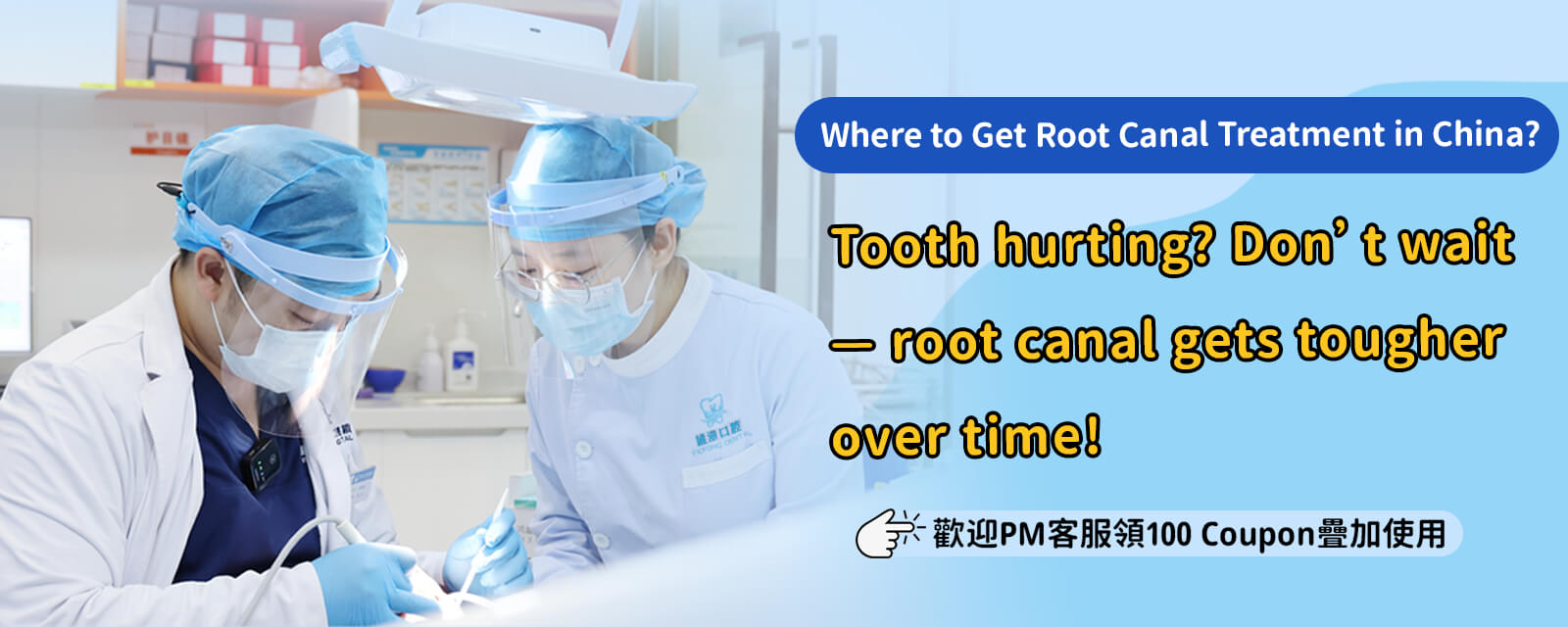
**"Follow-up Arrangements After Cross-border Root Canal Treatment"**
In recent years, many Hong Kong residents have opted for dental treatments across the border, with root canal therapy being among the most popular options. The reasons are quite clear: more choices and flexible scheduling, alongside competitive procedures and equipment. However, many people believe that once the treatment is completed, the job is done. In reality, finishing a root canal does not mean you can completely relax. Follow-up appointments and aftercare arrangements are crucial, especially when receiving treatment across the border, where geographical and transportation factors must also be considered.
**1. Basic Process of Cross-border Root Canal Treatment**
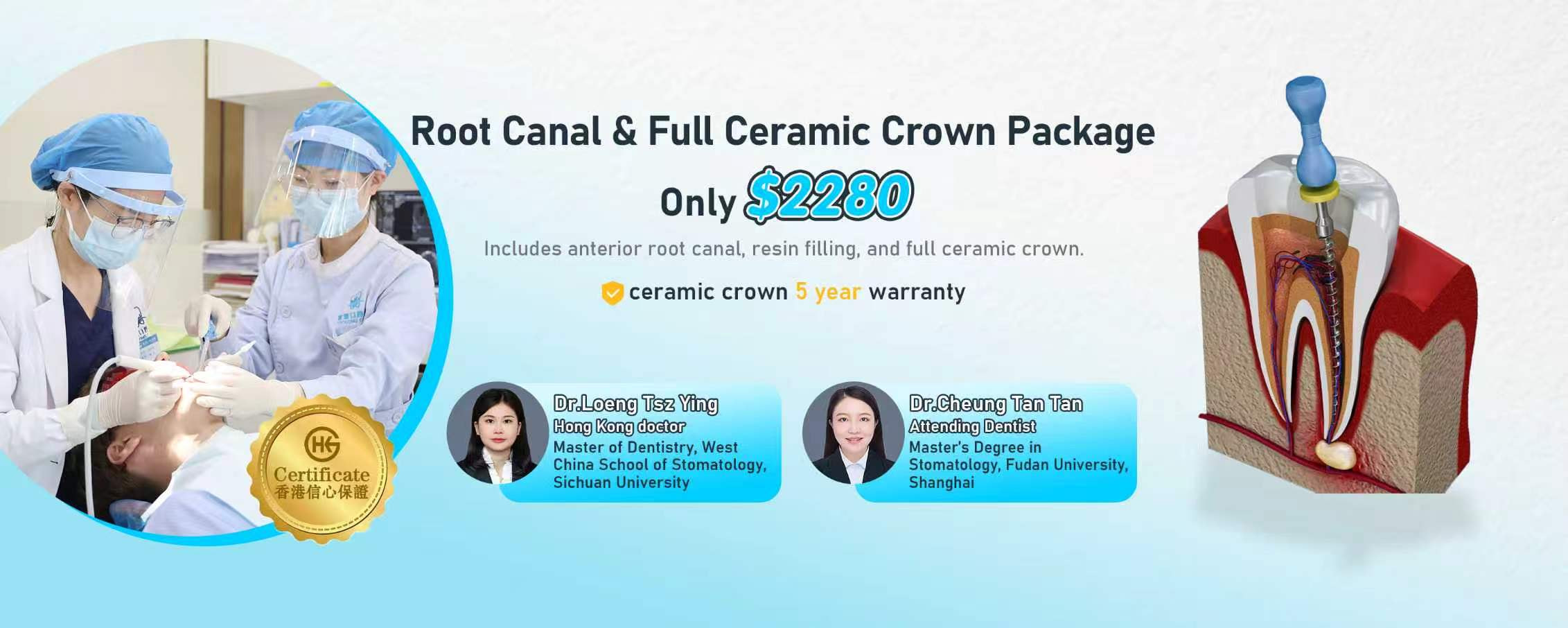
Root canal treatment involves cleaning out infected tissue within the dental pulp and sealing the root canal with specialized materials to prevent future bacterial infection. Treatment across the border typically requires several appointments: the first to clean and disinfect, followed by subsequent visits for filling and sealing the tooth. Some dentists may recommend checking the condition after a few days or a week to ensure there is no recurring inflammation.
**2. Importance of Follow-up Appointments**
Many patients consider the final step as the completion of their treatment. However, minor discomfort, gum swelling, or adjustments to the dental crown may occur post-procedure. Follow-up appointments are essential to ensure the treatments stability and to identify and address any potential issues early. Especially in cross-border healthcare scenarios, neglecting follow-ups can allow minor problems to escalate into significant concerns.
**3. Planning Post-Treatment Follow-up**
After returning to Hong Kong from a cross-border root canal treatment, the first step is to establish a method of communication with your dentist. Many dental clinics offer consultation services via WeChat or phone for convenient updates. Additionally, its advisable to discuss a follow-up schedule with your dentist in advance, such as visiting one month post-treatment to check the root canals condition or having an X-ray after six months. Given the need to cross the border, maintaining a flexible itinerary and avoiding peak times is recommended.
**4. Considerations for Emergency Care**
Some individuals worry about the inconvenience
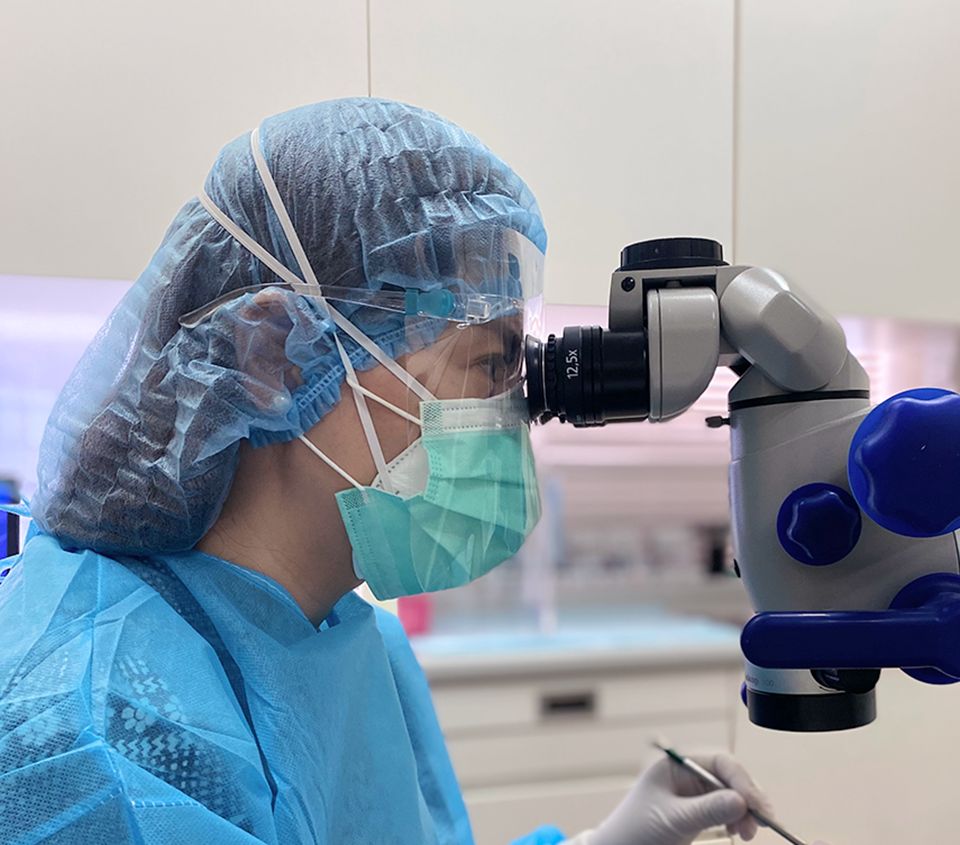
if complications arise after cross-border treatment. Therefore, finding a local dentist in Hong Kong as a backup is a sound strategy. This way, if theres urgent pain or issues with a dental crown, you can seek local help without having to make an immediate return trip. However, local dentists may request details about your treatment, so maintaining a record of your treatment (e.g., X-rays, medical history) is necessary.
**5. Tips for Cross-border Follow-ups**
- **Documentation**: Ensure you request treatment records at every dental visit for future reference.
- **Transportation Planning**: Research train, bus, or driving routes in advance to ensure your schedule accommodates follow-up visits.
- **Health Monitoring**: Regularly check for changes in gum or tooth color and contact your dentist promptly if any abnormalities appear.
- **Clear Communication**: Inform your dentist that you are a cross-border patient to facilitate appropriate scheduling and treatment planning.
**6. Psychological and Time Costs**
Cross-border follow-ups entail more than just travel time; they require mental preparation, as it may not always be possible to take leave or adjust your schedule at a moments notice. Some individuals, too busy for follow-ups, may see a compromise in their treatment’s effectiveness. Proper planning of follow-ups acts as a safeguard, enhancing the value of your time and effort.
**7. Comprehensive Recommendations**
Cross-border root canal treatment should not be viewed as a one-time journey but as part of a cohesive plan, including follow-up management. Before deciding, you should discuss the entire process and subsequent arrangements with your dentist thoroughly, including options for local support if conditions change and how to facilitate rapid follow-ups. Cost alone should not be the deciding factor, as dental health is a long-term investment, and continuous follow-up is crucial.
In summary, choosing cross-border root canal treatment can be an excellent option with facilities and techniques comparable to those in Hong Kong. However, the emphasis should be on not ignoring follow-up appointments and ongoing care. Cross-border healthcare introduces additional transport and time considerations, but with proper arrangements, you can fully enjoy the treatments benefits. Regular check-ups ensure long-term dental health and a more confident smile.
















