




**Will Teeth Become More Prone to Cavities After Going North for Root Canal Treatment?**
In recent years, a growing number of Hong Kong residents have opted to travel to the mainland for dental treatments, including root canal therapy. One common question that arises after returning is whether teeth subjected to root canal treatment are more susceptible to cavities. This concern extends beyond treatment efficacy, encompassing post-treatment care and lifestyle habits. In this article, we aim to provide a practical understanding to ease your concerns.
**What is Root Canal Treatment?**
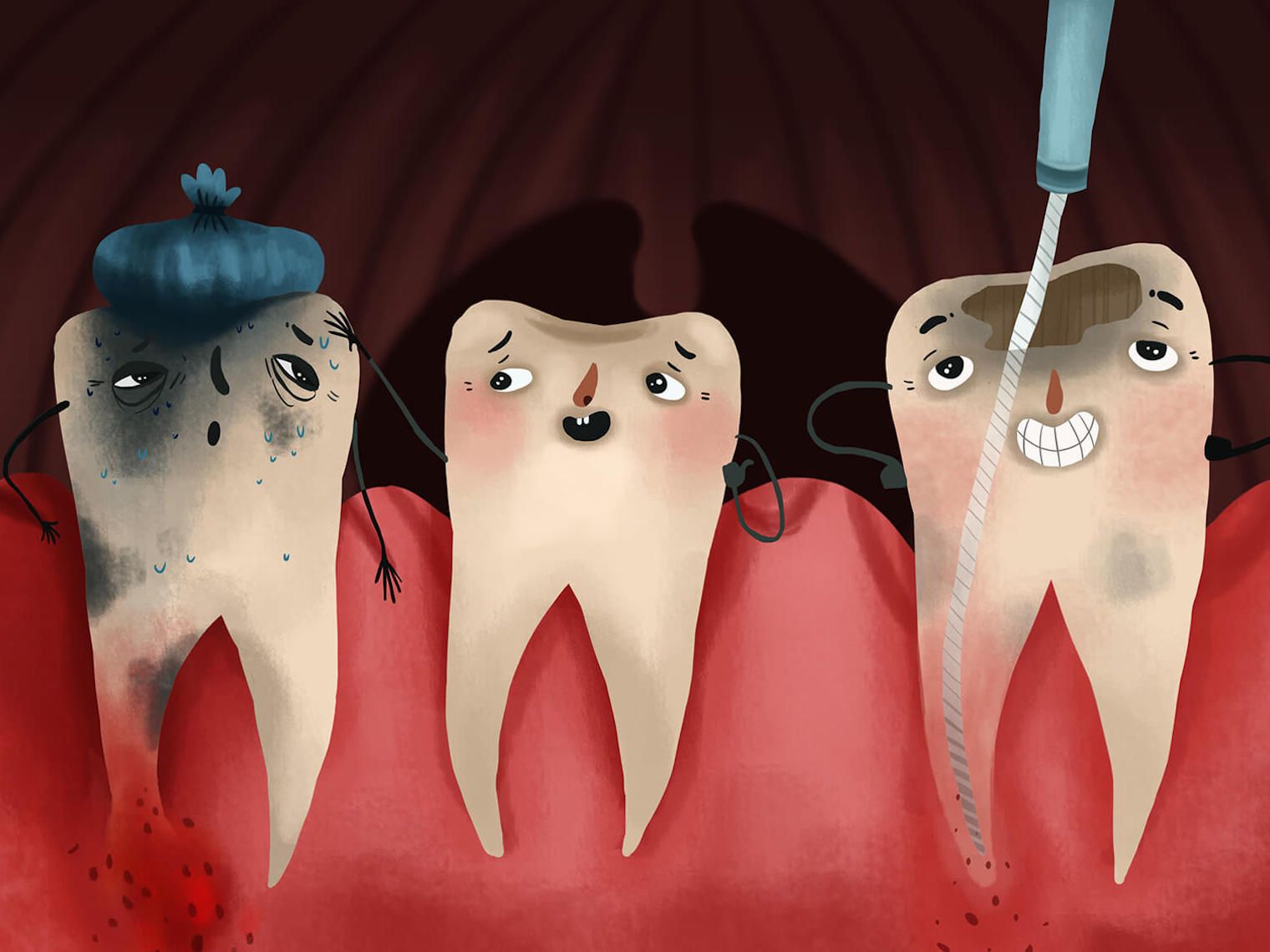
Simply put, root canal treatment is performed by dentists to clean infected pulp tissue due to pulpitis, nerve infection, or severe tooth decay. After disinfection, dental materials are used to seal the space, preventing bacterial re-entry. This process preserves the original tooth but renders it less vital as it loses pulp and blood supply.
**Are Teeth More Prone to Cavities After Root Canal Treatment?**
Theoretically, root canal treatment does not inherently make teeth more prone to cavities. However, the absence of pulp means theres no pain sensation to alert you to issues. Consequently, if the tooths outer layer is compromised, you might not notice immediately. Moreover, post-treatment teeth are generally more fragile, with reduced bite force capacity. If minor gaps exist between the restoration material and the tooth, food particles and bacteria can infiltrate, leading to secondary cavities.
A frequently overlooked factor is the material and technique used for post-treatment dental crowns. If the quality and fit of the materials used by your mainland dentist are lacking or improperly sealed, bacteria find opportunities to exploit.
**How to Prevent Post-Treatment Cavities?**
1. **Regular Dental Check-ups**
After root canal treatment, schedule dental check-ups every six months, particularly whe
re crowns are involved, to detect any loosening or cracks.
2. **Maintain Good Oral Hygiene**
Brush at least twice daily and use dental floss or interdental brushes to remove food debris, minimizing bacterial buildup.
3. **Control Sugar Intake**
High-sugar foods and drinks are major contributors to cavities. Teeth post-treatment lack pain-sensing reminders, necessitating mindful sugar management.
4. **Monitor Changes in Tooth Appearance**
If you notice discoloration around the crown, swollen gums, or unusual sensations while eating, consult a dentist immediately.
**Considerations for Treatment in the Mainland**
Although dental technology in the mainland is continually improving, dentists experience, skill level, and materials may vary. Opt for reputable clinics with comprehensive facilities and ensure to obtain detailed treatment records for follow-up checks in Hong Kong. If post-treatment concerns arise upon your return, promptly consult a local dentist.
**Psychological Preparedness and Mindset Shift**
Root canal treatment isnt a "once and for all" solution; its merely a method to preserve your tooth. Teeth without pulp are akin to a tree without roots, relying solely on the shell for support. Though strengthened during treatment, this shell isnt impervious to bacteria indefinitely. The key understanding is: treatment is just the first step; subsequent care is crucial.
**Conclusion**
Teeth arent automatically more prone to cavities after root canal treatment in the mainland, but they do become more vulnerable due to the loss of pain sensation and increased fragility. Neglecting oral hygiene can indeed elevate cavity risks. Regardless of where you receive treatment, cultivating good oral care habits and regular check-ups are essential to maintaining long-term dental health. Remember, your teeth are lifelong partners; taking care of them is taking care of yourself.
















