








**What to Do When Food Gets Stuck Between Your Teeth After Getting Dental Implants in the North?**
In recent years, many people have turned to dental treatments up north, including dental implants, for various reasons. Some find it convenient, while others have heard positive feedback from friends. However, a common issue among many Hong Kong residents after getting implants is food getting trapped between the teeth, causing discomfort and bad breath. This is especially problematic with molars; after meals or snacks, food particles cling to the gaps like magnets, requiring constant flossing, which can be quite frustrating. But why does this happen, and how can it be improved?
**Causes of Food Getting Stuck After Dental Implants**
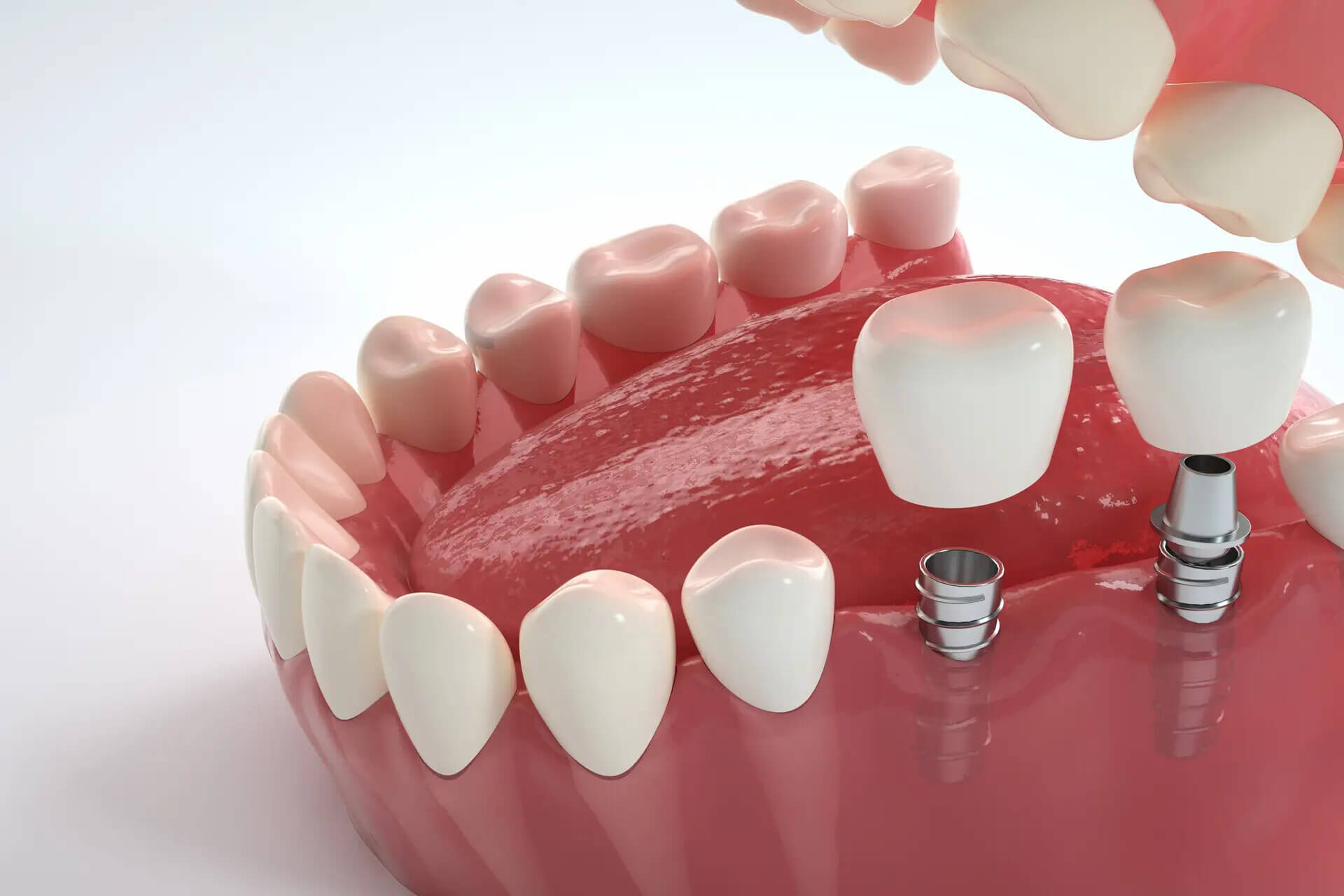
Its essential to understand that although dental implants resemble natural teeth, they are, after all, artificial, fixed onto the jawbone with screws or dental crowns. The spacing and shape of these implants may not perfectly match the original teeth. Especially with dental procedures up north, follow-up checks might not be frequent, and minor differences in craftsmanship or crown shape can widen the gaps between teeth. Additionally, molars are the primary chewing areas, making them prone to trapping food fragments. If the gum line recedes slightly, its even more likely for food to get stuck.
Moreover, the gums around implants may initially not fully adapt, contributing to food getting trapped. If the gums do not tightly bond with the artificial crown, tiny gaps can appear. Unlike natural teeth, the shape of artificial teeth is fixed and doesn’t adjust naturally with gum movement, necessitating regular cleaning to prevent food buildup.
**Consequences of Ignoring the Problem**
Many people assume they can just floss out the trapped food, but prolonged food entrapment can deteriorate oral health. Food remnants foster bacteria growth, leading to gum inflammation, bleeding, and even affecting the stability of the implant. In severe cases, adjacent natural teeth may also suffer. Beyond affecting breath and confidence, you might end up needing repairs or crown replacements, which are both time-consuming and inconvenient.
**Daily Improvement Methods**
1. **Use Dental Floss or Interdental Brushes**
Using dental floss is less common in Hong Kong, but it’s incredibly eff
ective for clearing food trapped by dental implants. For molars, interdental brushes are more convenient as they can reach between teeth to push out food particles effortlessly. Be gentle to avoid injuring the gums.
2. **Rinse Immediately After Meals**
After receiving dental implants up north, paying extra attention to post-meal cleaning is crucial. Using warm water or mouthwash to rinse immediately after meals reduces the time food remains trapped and lowers bacterial growth.
3. **Schedule Regular Check-Ups**
Even if you had your implants done up north, aim to have check-ups every six months to a year. If traveling is difficult, find a local dentist in Hong Kong to examine your crowns and spacing to see if adjustments are needed.
4. **Control Your Diet**
Sticky or crumbly foods like glutinous rice balls, seaweed, and beef jerky easily get lodged between teeth. Reduce consumption of these foods when dental floss or rinsing isn’t an option to avoid discomfort.
**Psychological and Lifestyle Adaptation**
Experiencing food entrapment after getting implants is not uncommon and shouldn’t cause undue worry. However, if the issue persists for several months, consult a dentist. Sometimes, a slight adjustment to the crowns shape can narrow the gaps and alleviate the problem.
Life in Hong Kong is fast-paced, and many find returning to mainland China for follow-ups inconvenient. However, oral health is a lifelong commitment that shouldnt be neglected due to laziness. Dental implants are an investment requiring good maintenance practices for long-lasting comfort and usability.
**Conclusion**
Getting dental implants up north often leads to food getting trapped between molars due to spacing changes, gum adaptation issues, and the fixed nature of artificial teeth. Although troublesome, the situation can be greatly improved through dental floss, interdental brushes, post-meal rinsing, regular check-ups, and dietary adjustments. Remember, dental health affects your eating, speaking, and smile, so dont wait until your gums become swollen and painful to take action.
Next time you feel discomfort from food stuck between your teeth after a meal, address it immediately to prevent bigger oral health issues. Proper daily care is essential for the peace of mind that comes with having dental implants.
















