




**Will Root Canals Affect Future Dental Implants?**
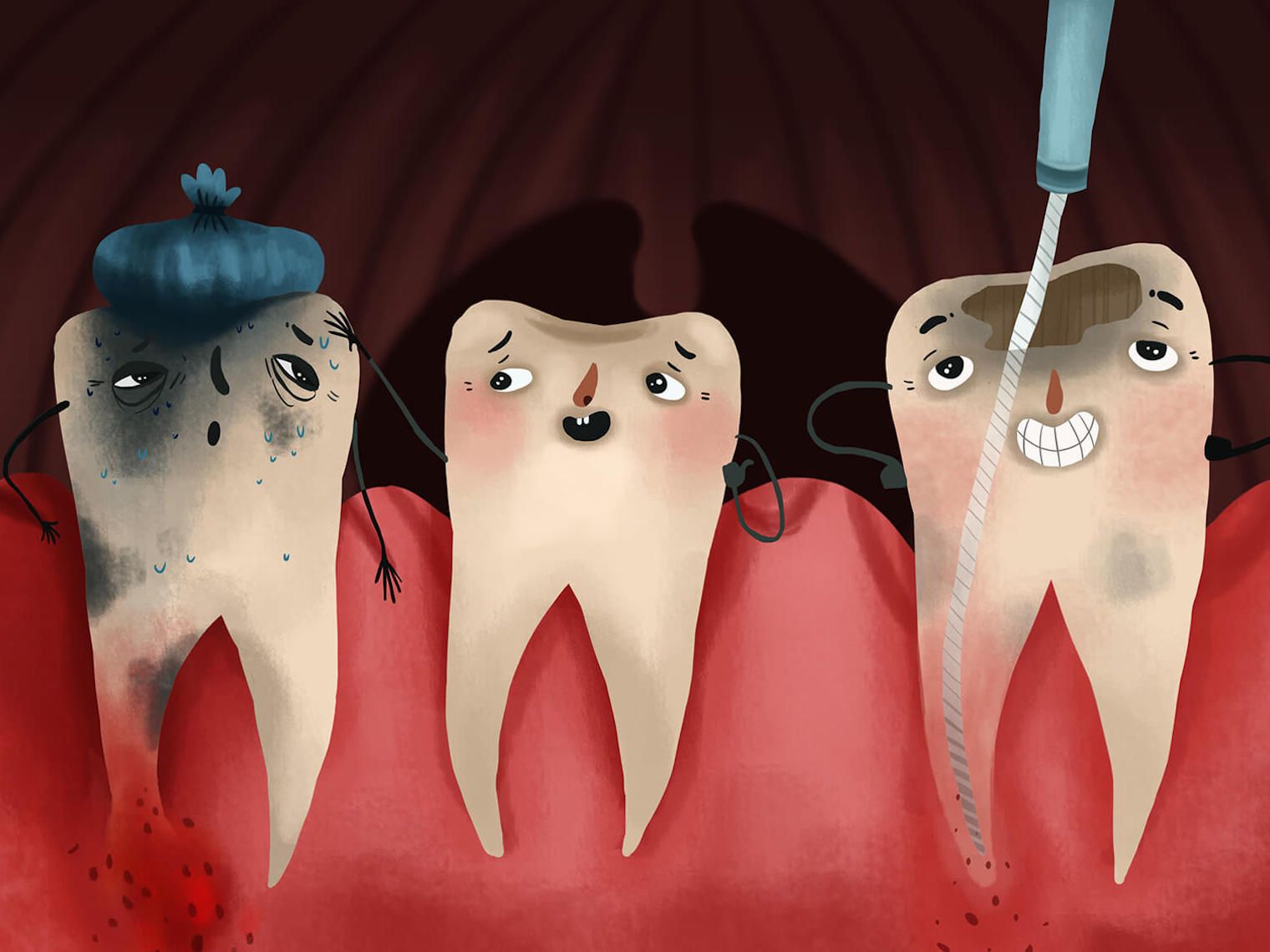
In Hong Kong, dental issues such as cavities and periodontal diseases are quite common, leading many people to require root canal treatment. A root canal involves removing the inflamed or damaged pulp from inside the tooth, preserving the root and crown, and then sealing it with a filling material so the tooth can still function. However, many people worry whether having a root canal might impact the possibility of getting dental implants in the future. Today, were going to address this concern in a straightforward manner.
The primary aim of a root canal is to save your natural tooth. When performed well, with complete treatment and no recurring infection, alongside a suitable protective crown, the treated tooth can last for several years, even longer. This often eliminates the immediate need for dental implants. However, if the root canal is unsuccessful—due to incomplete sealing or persistent infection—you may eventually need to have the tooth extracted, making an implant a viable option.
So, does a failed root canal pose additional challenges for dental implants later on? Generally, it depends on the condition of your gums and jawbone. Severe inflammation prior to a root canal could lead to bone loss around the tooth root; extraction might further reduce bone density. If the jawbone is insufficiently thick or tall, a bone graft or augmentation surgery may be required before implant placement, extending the treatment duration. Therefore, maintaining healthy jawbone is crucial; dont wait until the problem worsens before handling it.
Another scenario is when a non-functional root is left for a prolonged period, leading to gradual bone resorption and gum recession. Although an implant is still possible, it might affect aesthetics and stability, especially for front teeth where the requirements are higher.
For long-term oral health, even aft
er a root canal, regular dental check-ups are essential to monitor your teeth and gum condition. Early detection of issues can minimize adverse effects on future implant outcomes.
Some might wonder whether its possible to switch from a root canal to an implant. If the tooth still has a healthy root and there is no significant bone loss, dentists usually recommend retaining the natural tooth since its bite and adaptability are optimal. Yet, if pain recurs or the structure becomes unstable, extracting for an implant could also be a reasonable choice. Its important to heed professional dental advice, assess your oral condition comprehensively, and determine the most suitable option.
Psychologically, many in Hong Kong have a resistance to tooth extraction, believing that keeping natural teeth is best. However, its essential to recognize that dental implants aim to restore overall oral health and function. Root canals and implants are not opposing choices but rather different stages: one saves the tooth, and the other rebuilds after loss. Timely treatment is the key to effective results.
In summary, having a root canal doesnt directly affect the feasibility of future dental implants. However, if disease severely damages the tooth or surrounding bone, additional procedures might be necessary during the implant process. The best approach is a combination of treatment and maintenance: follow up with check-ups after a root canal, maintain good oral hygiene to prevent excessive force on hard foods, and keep an eye on gum health with regular cleanings to reduce periodontal disease risks.
Remember, oral health is an accumulation of daily efforts, not a one-time fix. Whether through root canals or implants, the goal is for you to use your teeth comfortably and smile naturally. By following professional guidance and focusing on prevention, the success rate of future implants will be significantly higher.
















