




**Will Dentists in Mainland China Proactively Explain X-Rays in Root Canal Treatments?**
In recent years, many Hongkongers have opted to see dentists in Mainland China. This choice stems from various reasons such as seeking more treatment options or simply because of more convenient appointment scheduling. Among the common dental procedures some undergo in Mainland China is "root canal treatment." However, when visiting a new healthcare setting, a primary concern for many is whether the dentist will proactively explain X-rays or other examination results.
To clarify, root canal treatment primarily addresses inflamed or infected dental pulp. The process involves removing the damaged pulp tissue, cleaning the area, and sealing the root canal. Hong Kong patients are typically accustomed to dentists explaining each step thoroughly, sometimes using X-rays to illustrate the internal state of the teeth, to better understand the treatment’s reason and progress. Yet, Hongkongers often wonder about the communication style of dentists in Mainland China.
Some individuals have shared that many dentists in Mainland China do offer explanations, albeit in different ways. Certain dentists might immediately point out the problem areas on the X-ray, indicating which teeth are affected and the severity of the inflammation. Others might use notes or computer visuals for detailed explanations. However, there are also instances where, unless the patient specifically asks, the dentist might simply state the need for a root canal and proceed with scheduling the treatment.
Therefore, if patients wish to ensure a clear understanding of their condition, proactively asking questions is advisable. For instance, you might ask, "What does this X-ray show? Where is the inflammation?" This usually prompts the dentist to provide a detailed explanation. More and more dental clinics in Mainland China are emphasizing patient experience, especially when serving Hong Kong clientele, ensuring more thorough communication. Sometimes, dentists might even use real-time display systems, allowing patients to immediately see cross-sections and conditions of their teeth, which can feel quite similar to the Hong Kong standard.
Of course, clinic cultures can vary. Some places prioritize efficiency, where dentists migh
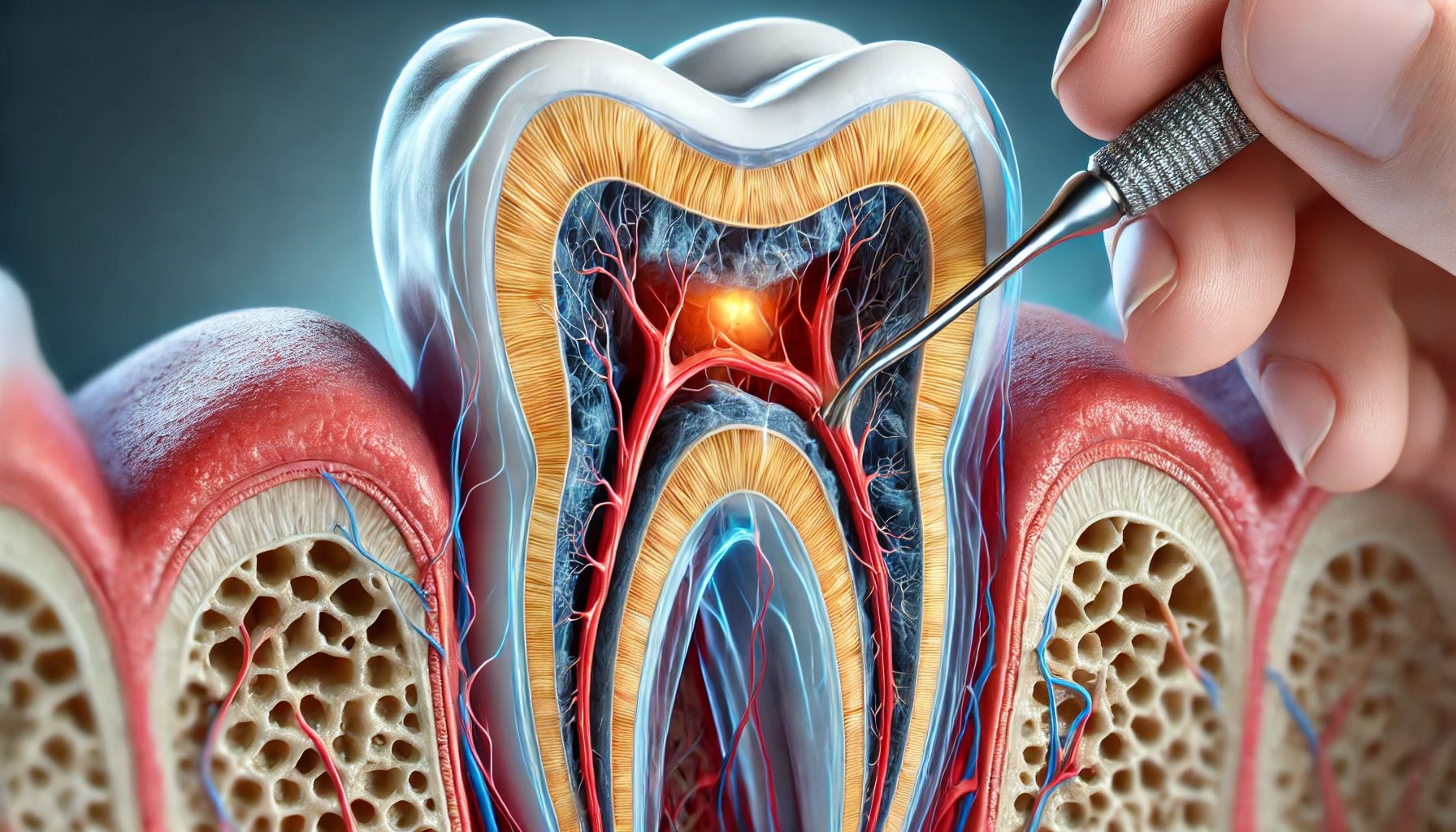
t use X-rays solely for their diagnosis, assuming patients only need to know the treatment plan. However, from a Hong Kong perspective, understanding the details is crucial as transparency in information is the norm. If the explanations seem insufficient, it’s important to voice your need for more details, ensuring you are informed about the treatment stages.
Another point to note is that root canal treatment often involves several follow-up visits, where additional X-rays might be necessary to check if the infection has cleared and to assess the filling’s success. These X-rays serve not only as records for the dentist but also as key data for patients to track their recovery progress. Whether Mainland dentists will proactively share this depends on their clinic practices, but generally speaking, showing interest and a desire to know usually prompts their cooperation in explaining.
Furthermore, language can also be a crucial factor. Although both Hong Kong and the Guangdong province predominantly speak Cantonese, there can be differences in accents or terminology. If there’s anything unclear during the dentist’s explanation, it’s best to ask immediately or repeat your understanding to avoid misunderstandings. Particularly concerning treatment plans, understanding thoroughly can prevent unnecessary worries or misunderstandings later.
In conclusion, whether dentists in Mainland China will proactively explain X-rays during root canal treatment largely depends on the individual clinic’s culture and the dentist’s habits. However, the patient’s attitude is equally important. If you clearly express your desire to understand the examination results, dentists usually take the time to explain, even providing additional treatment details for reference. Preparing a few questions in advance, such as the extent of pulp infection, steps involved in the treatment, and the purpose of each step, can make the entire treatment process more reassuring and comprehensible.
When visiting an unfamiliar place for dental care, maintaining proactive communication, unafraid to ask for clarification and confirmation of details, ensures that even if the dentist doesnt initially explain the X-rays, you still receive the information you need for a successful treatment, thus safeguarding dental health.
















