





### Is CT Scan Necessary for Root Canal Treatment in Mainland China?
In recent years, many Hong Kong residents have developed the habit of crossing over to Mainland China for dental care, especially for more complex procedures like root canal treatments. Besides the treatment techniques, professional expertise, and sanitary conditions, one common question arises: Is a CT scan needed before undergoing root canal treatment in Mainland China?
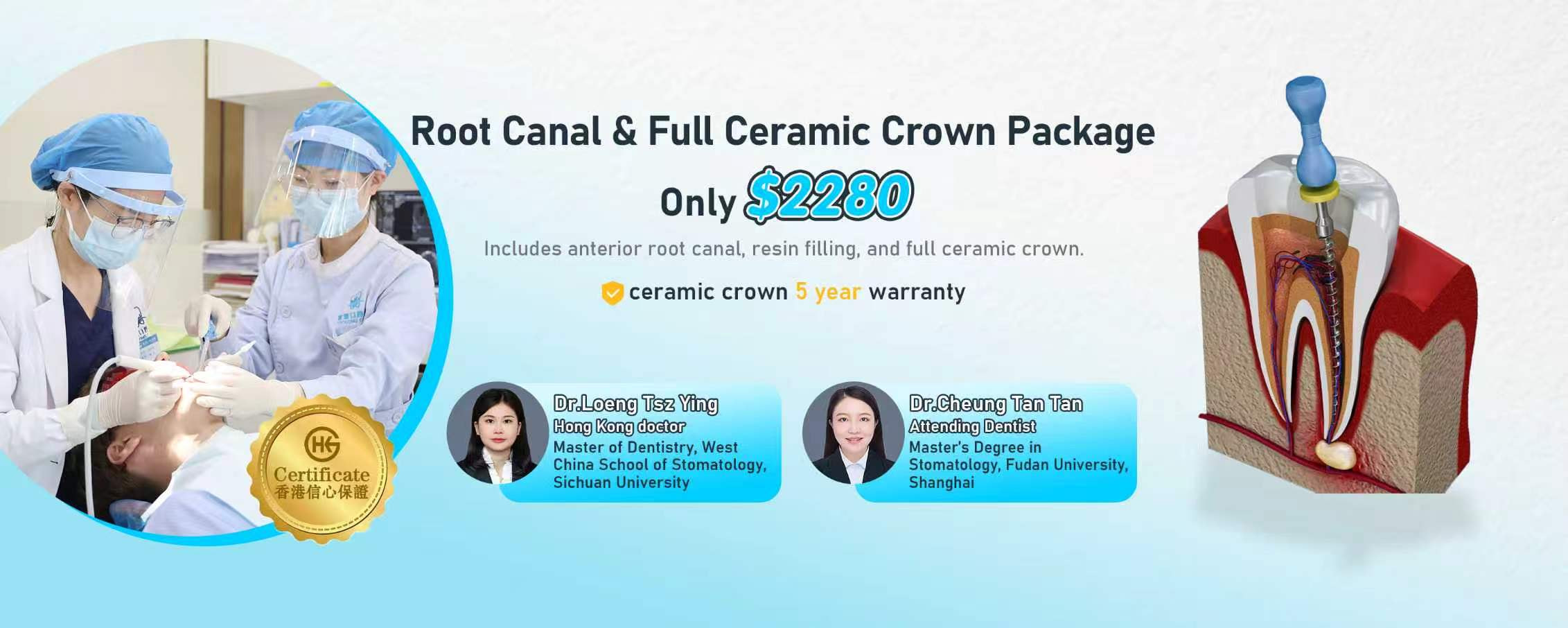
Root canal treatment, in essence, is required when the pulp or nerves inside a tooth become inflamed or necrotic. The dentist thoroughly cleans and disinfects the area and seals it to preserve the tooth, avoiding immediate extraction. A precise understanding of the internal structure of the tooth is crucial as everyone’s root structure varies, with some being highly curved or forked—a detail often missed by conventional X-rays.
A CT scan, technically known as Cone Beam Computed Tomography (CBCT), offers a 3D view of the tooth and surrounding tissues from multiple angles. It provides much clearer images than traditional X-rays, enabling analyses of the root length, orientation, and shape, while also identifying any hidden infections or bone loss. The decision to opt for a CT scan primarily depends on your dental condition and the dentists assessment.
In circumstances where the root structure is straightforward and there are no unusual conditions or repeated treatments, conventional X-rays may suffice. However, consider a CT scan under the following situations:
1. The cause of tooth pain is unclear, prompting a need for detailed understanding of the pulp and surrounding bone condition;
2. There might be cracks or hidden infections in the roots that are not visible in regular X-rays;
3. Complex root structures, typically found in maxillary posterior teeth or mandibular molars, where root canal numbers may exceed usual or feature abnormal arrangements;
4. Previous unsuccessful root canal treatments requiring assessment of old fillings and present root conditions.
Dental facilities in Mainland vary in examination devices and procedures. Larger dental centers might be fully equipped and can ar
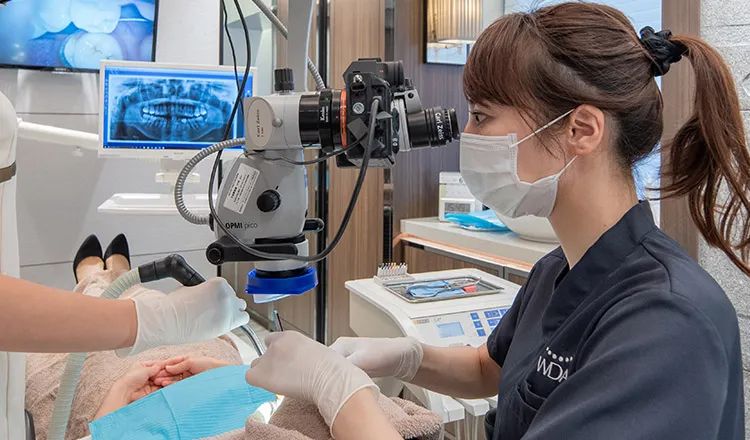
range CT scans promptly; whereas smaller clinics may refer you to cooperative institutions for imaging. In Hong Kong, CT scans are not commonly used for routine check-ups but are reserved for complex cases. Thus, if a Hong Kong resident hears a Mainland dentist suggesting a CT scan before a root canal treatment, it might appear novel or puzzling.
In fact, a CT scan serves as an auxiliary tool, not a necessity, yet it can enhance diagnostic precision and minimize uncertainties during treatment. Having comprehensive information upfront allows for a more tailored treatment plan and reduces the likelihood of repeated procedures or unforeseen difficulties.
Considering radiation exposure is crucial, although Cone Beam CT for dentistry involves relatively low doses, focusing exclusively on the oral area ensures higher safety. If concerns about radiation exist, openly discussing them with your dentist can clarify the need for a scan, as dentists typically balance examination requirements with safety considerations when making recommendations.
Additionally, before proceeding with dental care in Mainland China, carrying your dental records and past X-rays from Hong Kong helps the dentist better assess whether a CT scan is necessary. Though it might seem cumbersome, complete historical data saves a great deal of time and reduces redundant examinations.
In summary, there is no fixed rule on whether you need a CT scan for root canal treatment in Mainland China; it depends on your dental condition and the dentists professional judgment. If the tooth condition is complex, with unclear pain sources, or prior treatment was ineffective, a CT scan can offer clarity for both you and your dentist. Conversely, if the root structure is simple, conventional X-rays may be sufficient. Maintaining open communication with your dentist about examination objectives and benefits ensures a more reassuring treatment experience.
Whether seeking dental care in Mainland China or Hong Kong, the focus should always be on your health. Decisions should be rooted in scientific reasoning rather than convenience or hearsay, thereby safeguarding your long-term dental health.
















