






**Why Do Dental Crowns Feel Different Each Day After Getting Implants in the North?**
In recent years, many Hong Kong residents have opted to travel north for dental implants due to several reasons such as convenient scheduling, a wide selection of clinics, and reliable technology. However, post-procedure, many discover that their dental crowns feel different every day—sometimes tight, sometimes loose, or even like their bite isnt quite right. So, what exactly causes this? Is it a normal reaction or a cause for concern?
**1. Adjustment Period and Oral Changes**
After implant surgery, the dental crown might be securely placed, but your mouth needs some time to adjust to its new "member." Teeth, gums, and jaw muscles need to get accustomed to the new shape and height. During daily activities like eating and speaking, muscle and bite forces continuously adjust, which can result in slight changes in feeling each day. This sensation is most noticeable in the first few weeks.
**2. Fine-Tuning Bite Pressure**
Its important to remember that dental crowns are man-made, and although dentists strive to match your unique bite, variations in chewing strength and preferred chewing positions can affect how a crown feels. Consuming harder foods or altering your chewing approach might change the pressure on the crown, leading to a “different” feeling.
**3. Gum and Nerve Reactions**
During the implant process, your gums undergo surgical trauma, leading to swelling, deflation, or minor shape changes during recovery. Each change in gum state affects how the crown meets the gum. Additionally, nerves in and around the teeth are slowly adjusting to new stimuli, which can lead to daily differences in feeling.
**4. Temperature and Dietary Impacts**
Have you noticed a slight difference in crown sensation after drinking cold or hot liquids? Temperature fluctuations can cause materials to marginally expand or contract. Althoug
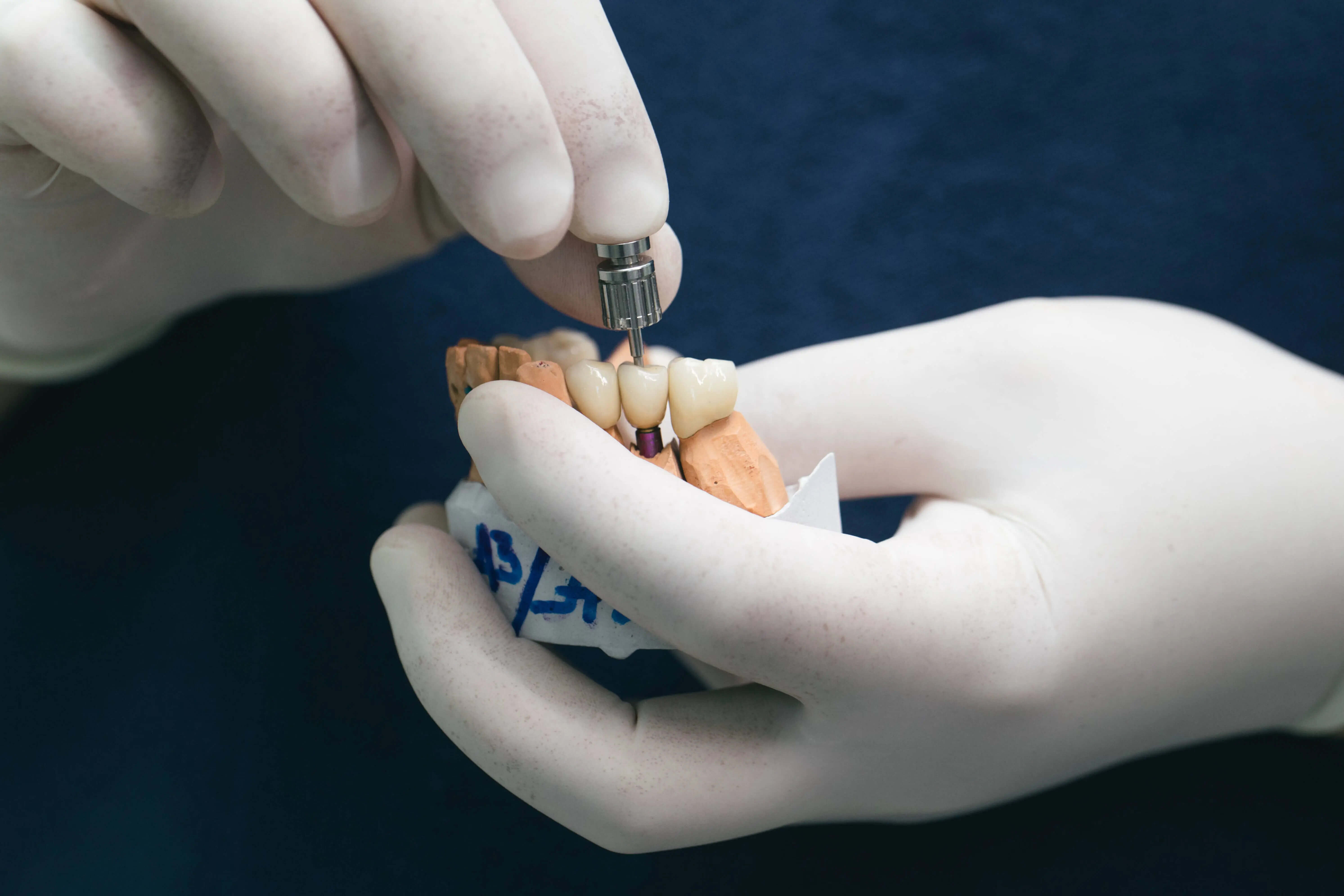
h these changes are subtle, for some individuals, they can be noticeably sensitive. Furthermore, various food textures—hard and crunchy versus soft and pliable—provide different feedback during chewing, naturally differentiating todays experience from yesterdays.
**5. Psychological and Attention Factors**
Sometimes, theres actually little change, but knowing youve had a dental implant heightens your awareness of the crown, making any subtle differences feel more significant. Psychological focus amplifies sensation, leading to the perception of daily changes, especially in the early post-implant phase.
**6. When to Pay Attention and Follow Up**
While daily sensation variations often belong to the normal adaptation period, if you notice crown loosening, persistent bite misalignment, continuous pain, bleeding gums, or foul odors, it’s crucial to consult a dentist promptly. Dental implants involve precision; early detection and adjustment can prevent larger issues.
**7. Tips to Minimize Discomfort**
- Avoid excessively hard foods during the first few weeks.
- Maintain good oral hygiene by regularly using dental floss or water picks around the crown.
- Schedule routine dental check-ups to ensure harmonious bite alignment.
- Avoid using the crown to bite non-food items like pens or plastic sticks.
- Stay relaxed and dont overly worry about minor changes.
**Conclusion**
Its quite common for dental crowns to feel different each day after traveling north for implants, largely due to oral adaptation and psychological factors. As long as theres no continuous pain or noticeable issues, these sensations are usually normal during the adaptation period. Remember, dental implants are a long-term investment, and regular check-ups and maintenance are crucial. Regardless of where you undergo the procedure, maintaining consistent communication with your dentist is key to ensuring long-lasting comfort and stability.
















