




**"Does Numbness and Pain at the Tooth Root Disappear After Getting Dental Implants in the Mainland?"**
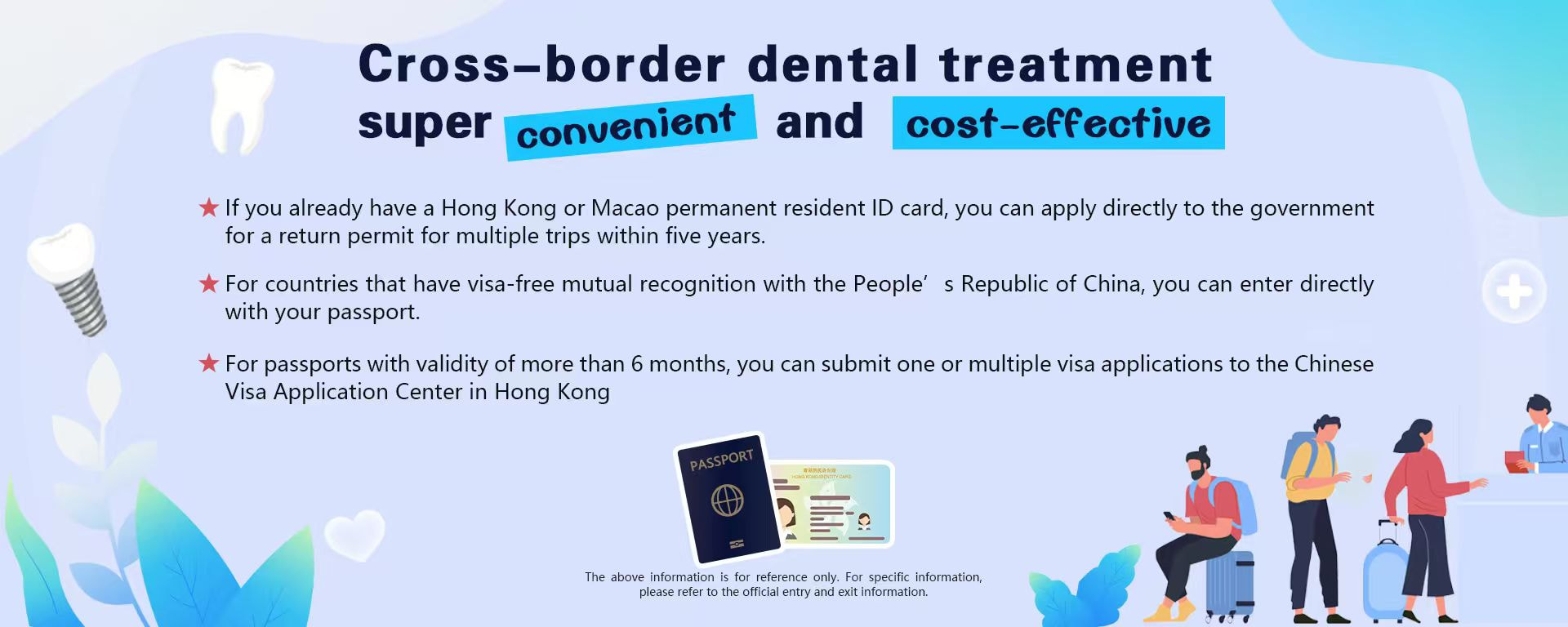
In recent years, an increasing number of Hong Kong residents have been traveling to the Mainland for dental treatments, particularly dental implants. The convenience of transportation, a wider range of choices, and the perception of advanced dental techniques and comprehensive services in the Mainland are a draw for many. However, a common concern for those who have undergone implant procedures is whether the numbness or pain at the tooth root will gradually fade away. Is this a normal reaction, or is it necessary to consult with a dentist again?
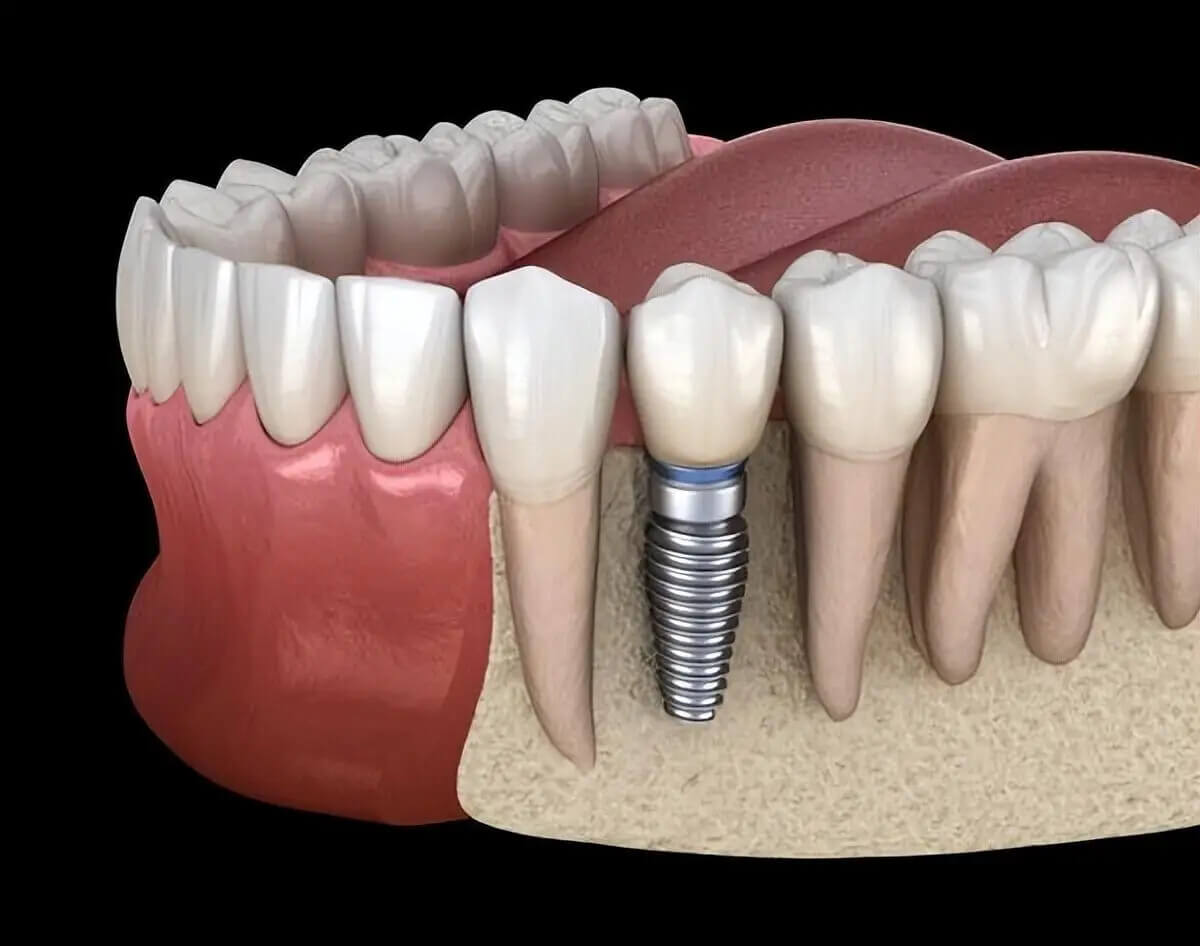
Dental implant surgery is a complex dental procedure. In simple terms, it involves placing an artificial tooth root, usually made of titanium alloy, into the jawbone, allowing it to stabilize and fuse before attaching a crown. During the surgery, incisions are made in the gum, and bone drilling is required, which can sometimes affect the surrounding gums, nerves, and jawbone tissue. Therefore, it is quite common for some individuals to feel numbness, tenderness, or mild pain around the implant site post-surgery.
Initially, the numbness and pain are generally due to minor trauma or swelling in the local tissues, causing nerve compression. The body needs time for healing. In most cases, if the surgery does not damage major nerves, these sensations will gradually subside during the recovery period. Recovery varies from person to person; some may feel better in a few days, while others may take weeks or even months. It is crucial to follow the dentist’s postoperative instructions during this time, such as maintaining oral hygiene, avoiding very hard or hot foods, and attending follow-up appointments to ensure quicker healing of the gums and jawbone.
However, if numbness or pain persists and even worsens, it should not be ignored. This could indicate more significant nerve irritation around the implant area or infec
tion and inflammation around the implant. If symptoms such as red swollen gums, pus, or bad breath occur, it is imperative to consult a dentist immediately to ensure no complications with the implant or gums.
Many individuals who seek dental implants in the Mainland worry about follow-up care once they return to Hong Kong. It is advisable to arrange postoperative check-ups with the Mainland dental clinic beforehand or to obtain all relevant information to facilitate understanding of the procedure by a dentist in Hong Kong. Having complete records ensures a smoother follow-up process.
Beyond medical aspects, maintaining healthy habits post-surgery is vital. Good oral hygiene practices—such as gently brushing with a soft-bristle toothbrush and using dental floss or a water flosser—help prevent bacterial buildup. Opt for softer, easier-to-chew foods to reduce pressure on the implant site. Additionally, adequate rest supports the immune system and accelerates recovery.
Psychologically, staying relaxed is important. Often, numbness and mild discomfort are natural recovery reactions, and undue stress can hinder rest and healing. Nonetheless, do not ignore unusual sensations; regular check-ups provide safety.
In summary, numbness and pain at the implant site post-surgery are not necessarily problematic and usually diminish over time, depending on the duration and accompanying symptoms. For any concerns, consulting a professional dentist for an evaluation is recommended, rather than waiting or self-diagnosing, to prevent delays in treatment. By following proper care instructions and maintaining regular check-ups, many individuals can enjoy the convenience and comfort of their new teeth.
Opting for dental implants requires careful consideration, whether in the Mainland or locally. Remembering the importance of postoperative care and follow-up ensures long-lasting and reassuring results, without letting minor postoperative discomfort affect the overall experience.
















