








**Can You Sleep on Your Side After Getting Dental Implants in the Mainland?**
In recent years, many Hong Kong residents have opted to travel north to the mainland for dental implants due to convenience, a wider range of clinics, and advanced medical technology. Although dental implants are a medical procedure, they significantly impact daily life, especially in terms of post-operative rest and care. A common question is, "Can you sleep on your side after getting dental implants?" While this might seem straightforward, it actually involves some nuances that require an understanding of dental and post-surgical conditions.
**Post-Implant Gum and Bone Conditions**
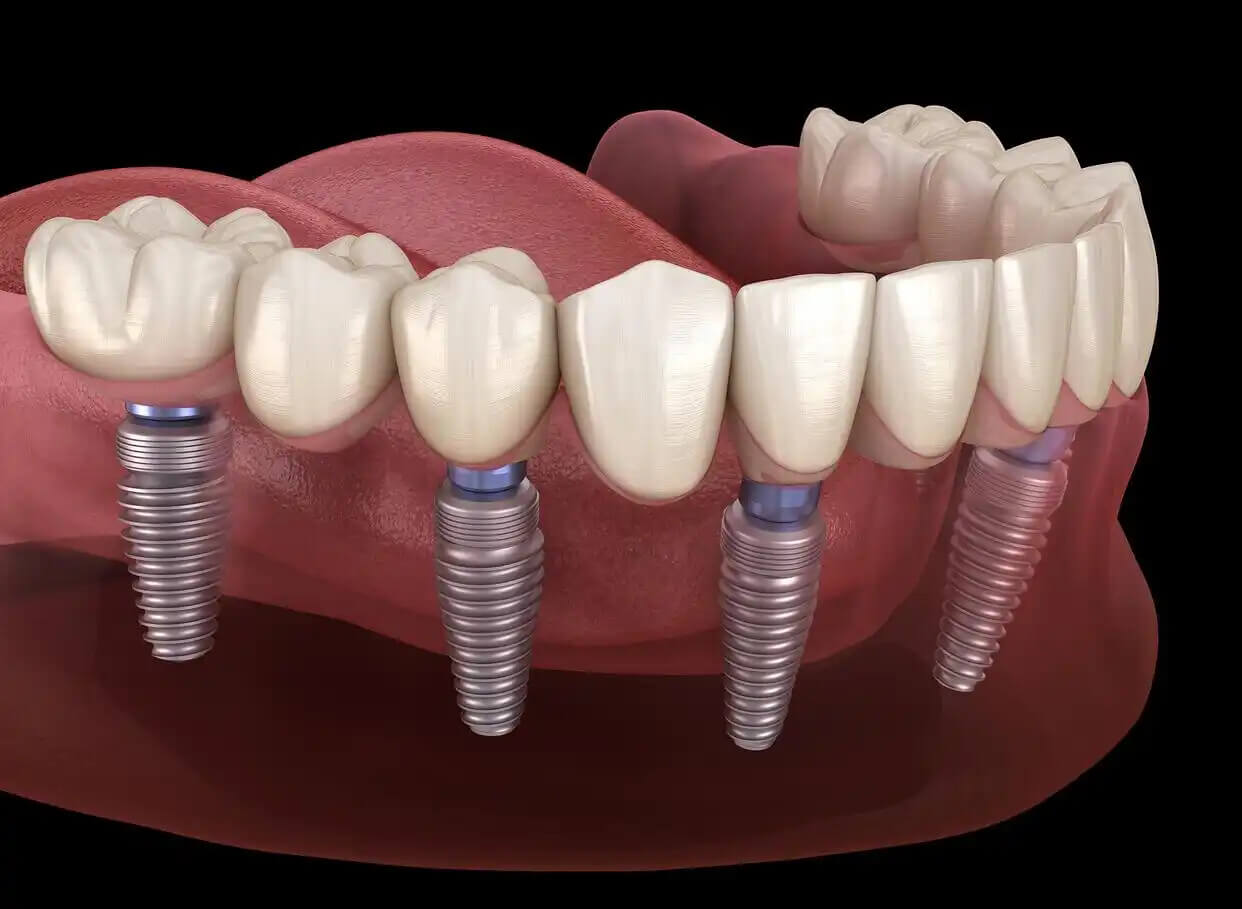
During a dental implant procedure, artificial tooth roots are implanted into the jawbone, which involves incisions in the gum, drilling, and implantation. Initially after the surgery, the gums may be swollen and sensitive, and the jawbone needs time to fuse with the artificial roots. Generally, the first few days are crucial for recovery, and the way you sleep can affect blood flow and pressure on the surgical area.
**Impact of Sleeping on Your Side**
If youre accustomed to sleeping on your side, especially on the side where the implant was placed, it could apply pressure to the surgical site. Continuous pressure might increase gum swelling or unintentionally disrupt the wound during sleep, leading to pain or delayed healing. Additionally, side sleeping can impair blood circulation in the gums, slow down the reduction of swelling, and slightly increase the risk of minor bleeding.
**Why Dentists Recommend Avoiding Pressure on the Surgical Site Early On**
Many dentists advise patients to avoid putting external pressure on the surgical area during the initial recovery period. This helps protect the stability of the gums and jawbone, allowing tissues ample time to heal naturally. If youre used to sleeping on your side or stomach, exerting pressure on the surgical site could affect recovery and slow down the fusion process with the artificial roots.
**Tips for Initial Resting Positions**
It is typically recommended to sleep on your back with your head slightly elevated with a pillow for the first three to five days after getting dental implants. This position helps minimize gum swelling and bleeding. To maintain this position and prevent turning in your sleep, consider using pillows or cushions for support. Once swelling and discomfort have subsided, you can gradually return to your usual sleeping position safely.
**Other Post-Implant Rest and Care Considerations**
Apart from sleeping positions, pay attention to lifestyle details post-implant. Avoid biting hard foods with the surgical area; opt for soft, moderately warm meals to prevent irritation to the gums. Maintaining oral hygiene is crucial, but follow your dentist’s advice to avoid brushing directly over the surgical site, opting instead for mouthwash or gently rinsing with warm salt water. Adequate rest and minimal stress greatly aid the healing process.
**Recovery Varies for Each Individual**
Some may recover quickly, experiencing little to no swelling after three to four days, while others may take one to two weeks to feel fully comfortable. During this time, adjust your sleeping position according to your comfort, but ensure the surgical area is not pressured, providing an ideal environment for the gums and jawbone to heal.
**In Conclusion**
In summary, "Can you sleep on your side after getting dental implants in the mainland?" depends on timing and circumstances. Initially, it’s best to avoid putting pressure on the surgical site, with back sleeping being the safer choice. Once the gums and jawbone have sufficiently healed, returning to your usual sleep positions should not pose any problems. Take care of the newly implanted roots and follow your dentist’s guidelines to comfortably enjoy the benefits of your new teeth.
With proper rest and care, recovering from dental implants, even when done in the mainland, can be a smooth process, ensuring your dental health continues to improve.
















