




**Is Smoking After Tooth Extraction Risky When Traveling to Chinese Mainland?**
In recent years, an increasing number of Hong Kong residents have opted to travel to the Chinese Mainland for dental care. The reasons vary: some find the transportation convenient, others appreciate the quality of service, and many are simply looking for more options. Regardless of the motivation, post-extraction care is crucial, especially for smokers concerned about how smoking might impact the healing process. This article delves into the question, "Is smoking after tooth extraction risky when traveling to Chinese Mainland?" to provide a clear understanding and prevent prolonged healing due to negligence.
**1. How Does the Wound Heal After Tooth Extraction?**
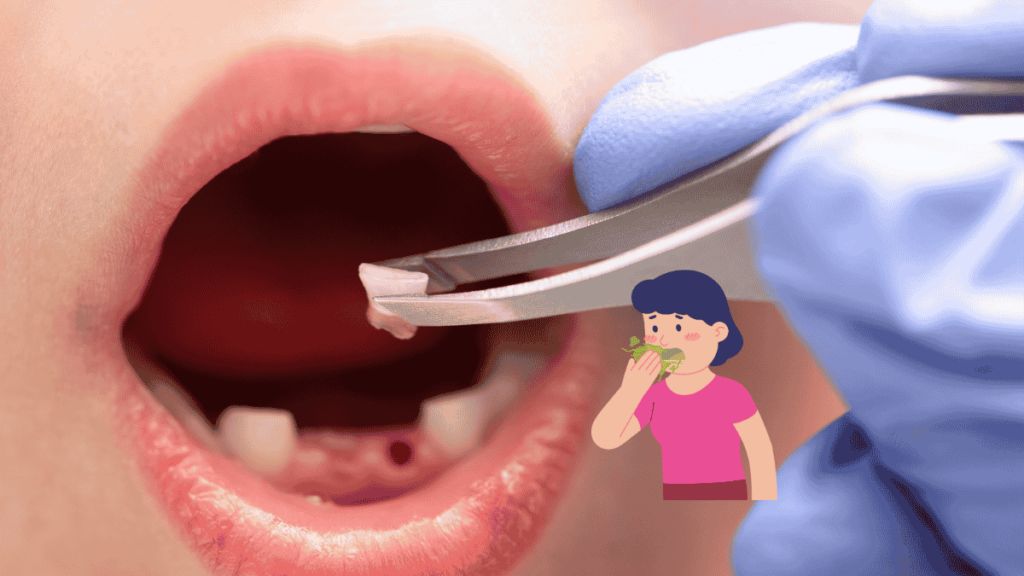
Tooth extraction involves separating the tooth from the gum, leaving an empty socket in the jawbone. Typically, within a day or two, a blood clot forms to protect the bone and nerves, gradually leading to new tissue growth. However, if the wound is irritated during this phase—by vigorous rinsing, consuming hot foods, or smoking—the blood clot may dislodge, resulting in a painful condition known as "dry socket," which significantly extends recovery time.
**2. How Smoking Affects Wound Healing**
Tobacco contains nicotine and various chemicals that constrict blood vessels, impairing circulation. This reduces the oxygen and nutrients reaching the wound. Additionally, the act of smoking can create negative pressure that easily dislodges newly formed blood clots. The heat and impurities in smoke can further irritate the gums, increasing the risk of inflammation. Therefore, whether in Hong Kong or traveling to the Chinese Mainland for extraction, dentists generally advise refraining from smoking for at least 48 to 72 hours post-surgery.
**3. Environmental and Habitual Factors in the Chinese Mainland**
Dental care in the Chinese Mainland is comparable to Hong Kong regarding hygiene, surgical techniques, and post-operative advice. The primary difference may be lifestyle changes, such as increased eating, drinking, and socializing, which often involve alcohol and smoking. These social factors can compound risks. The extraction site is particularly vulnerable, and substances like nicotine and alcohol can irritate the gums, potentially leading to inflammation. Therefore, when planning a dental visit to the Mainland, it is wise to arrange a few days of post-operative rest, avoiding immediate social engagements.
**4.
How to Minimize Risks**
1. **Follow the Dentists Advice**: After extraction, dentists usually provide written instructions on care, such as when to rinse or eat. Adhering to these guidelines ensures safety.
2. **Avoid Smoking, Alcohol, and Spicy Foods**: Not only smoking, but drinking alcohol and consuming spicy foods can also irritate the wound. To expedite healing, it’s best to abstain.
3. **Maintain Oral Hygiene**: Use a mild saline solution for gentle rinsing, avoiding vigorous actions. Keeping the mouth clean without irritation is ideal.
4. **Stay Hydrated and Rest Well**: Adequate hydration and rest support the bodys repair processes, reducing inflammation risks.
5. **Seek Immediate Dental Care for Any Abnormalities**: If pain intensifies, bad breath develops, or bleeding persists, promptly consult a dentist.
**5. Long-Term Oral Health Perspective**
Quitting smoking offers numerous benefits for oral health. Smoking not only hinders post-extraction recovery but also contributes to gum recession, tartar buildup, and tooth discoloration. In the long run, maintaining a smoke-free lifestyle promotes healthier teeth and gums. If quitting is not immediately feasible, at least refrain from smoking for a week before and after extraction to allow the wound to heal properly.
**6. Tips for Dental Visits to the Chinese Mainland**
When visiting the Mainland for dental care, consider factors beyond cost and service, such as clinic hygiene, dentist qualifications, and communication. Conduct thorough research to choose registered, experienced dental professionals. If language barriers exist, bring basic medical records to help the dentist understand your oral health status. Post-surgery, request detailed aftercare instructions, including cleaning methods and follow-up schedules, for peace of mind.
**Conclusion**
In summary, whether in Hong Kong or traveling to the Chinese Mainland for tooth extraction, smoking is a significant obstacle to recovery. Nicotine slows circulation and impairs wound healing, potentially leading to inflammation or dry socket. To ensure smooth recovery, it is essential to follow dental advice, maintain cleanliness, and avoid smoking and alcohol. From a long-term perspective, quitting smoking strengthens teeth, freshens breath, and enhances overall vitality. Before planning a dental trip to the Mainland, consider strategies to temporarily distance yourself from smoking, allowing for faster healing and a brighter smile.
















