





**Is There a High Risk of Tooth Decay After Dental Fillings in Chinese Mainland?**
In recent years, many residents of Hong Kong have opted to travel to Chinese Mainland cities like Shenzhen and Guangzhou for dental treatments. The reasons are straightforward: convenient transportation, easy appointment scheduling, and a variety of service options. However, a common concern arises after returning: "Will my filled tooth decay again?" This question is not only relevant for those who seek dental care in Chinese Mainland but also for those who receive treatments in Hong Kong. Today, lets delve into the relationship between dental fillings and tooth decay in an engaging and informative way.
**What is a Dental Filling?**
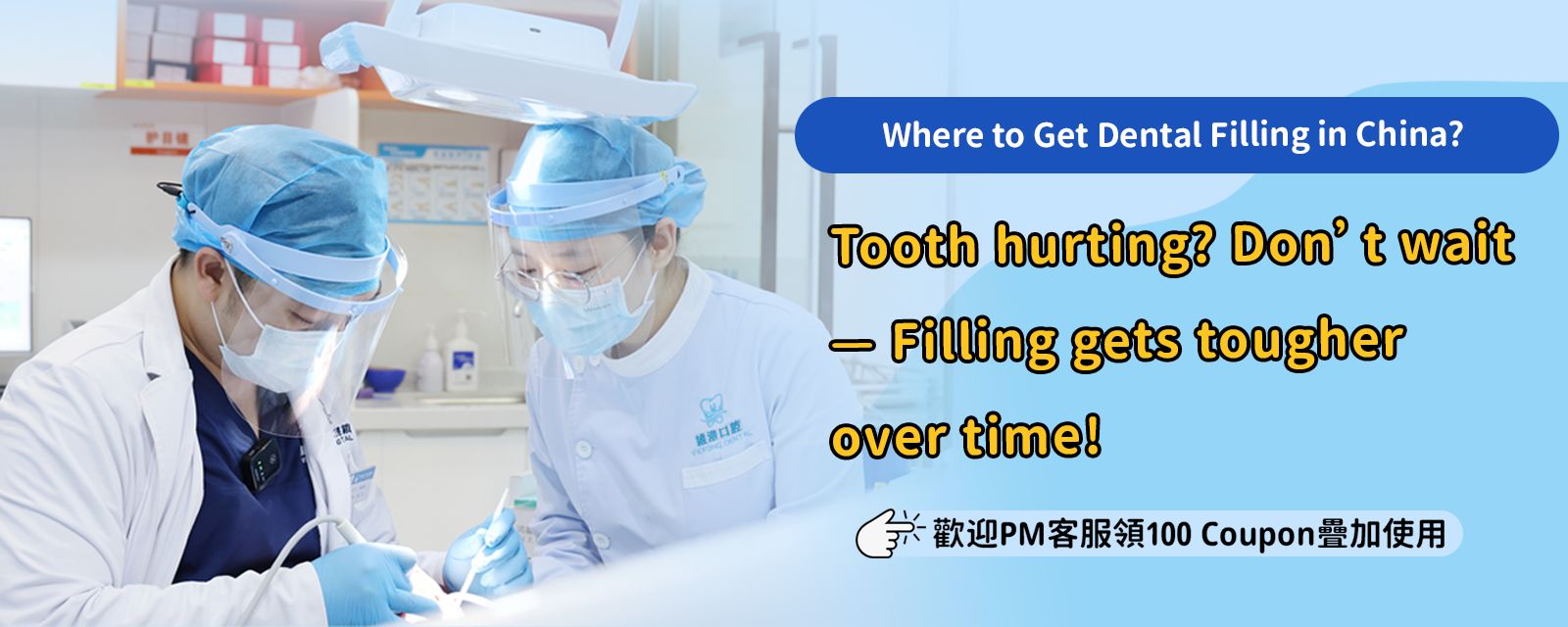
A dental filling involves using dental materials to restore the function and appearance of a tooth that has been decayed, cracked, or otherwise damaged. Whether you undergo this procedure in Hong Kong or Chinese Mainland, the process is essentially the same: the dentist removes the decayed portion of the tooth and fills the cavity with a suitable material. Ideally, the filled area should not decay again, but the surrounding healthy tooth structure can be susceptible to decay if not properly maintained.
**Why Teeth May Decay After a Filling**
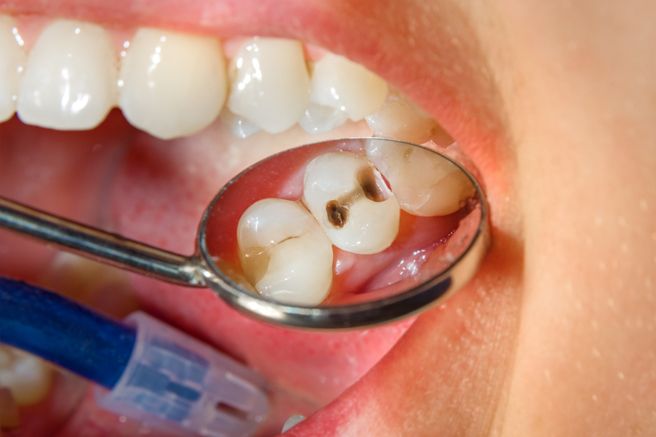
Many people mistakenly believe that once a tooth is filled, it is immune to further decay. This is not the case. While the filling material itself does not decay, there can be microscopic gaps between the filling and the natural tooth. Inadequate oral hygiene can allow food particles and bacteria to accumulate in these gaps, leading to what is known as "secondary decay." Additionally, a diet high in sugar and acidic foods, without prompt rinsing or brushing, can create an oral environment conducive to dental problems.
**Special Considerations for Dental Fillings in Chinese Mainland**
Both Hong Kong and Chinese Mainland have made significant advancements in dental technology, but certain details require attention. First, communication is key; clearly discuss your dental history, sensitive areas, and any periodontal issues. Second, be informed about the types of filling mat
erials available, as they vary in color, hardness, and durability. Third, plan your follow-up visits carefully. While its easy to revisit the same dentist in Hong Kong, follow-up appointments in Chinese Mainland require more planning. If discomfort arises, you may need to cross the border again or consult a local dentist in Hong Kong.
**Maintaining Good Oral Hygiene is Crucial**
Regardless of where you get your dental work done, maintaining good oral hygiene is essential to minimize the risk of further decay. Brush your teeth at least twice a day, especially before bedtime. Use dental floss and water flossers to clean between teeth and reduce plaque and bacterial buildup. Limit the intake of sugary snacks and drinks, and rinse your mouth with water after eating. Chewing sugar-free gum can also stimulate saliva production, which helps wash away food particles.
**Regular Dental Check-Ups**
Dont wait for a toothache to visit the dentist. Even after a filling, a comprehensive dental check-up every six months to a year can help detect potential issues early. Pay special attention to signs of leakage, loosening, or discoloration around the filling, as these may indicate the need for further treatment to prevent rapid development of secondary decay.
**Mental Preparedness and Realistic Expectations**
A dental filling is a repair method, not a permanent solution. The longevity of your dental health depends on your daily habits and ongoing care. Whether you choose to have your dental work done in Chinese Mainland or Hong Kong, its important to understand that a filling does not guarantee immunity from future decay. Conversely, with proper care, a filling can last many years, even decades.
In conclusion, the question "Is there a high risk of tooth decay after dental fillings in Chinese Mainland?" has no definitive answer. The key lies in how well you maintain your oral hygiene post-treatment. Regular check-ups, diligent cleaning, and a balanced diet can significantly reduce the risk of further decay. Remember, your teeth are lifelong companions; taking good care of them will allow you to smile with confidence for years to come.
















