




**How Soon Can You Eat Normally After Dental Fillings in Chinese Mainland?**
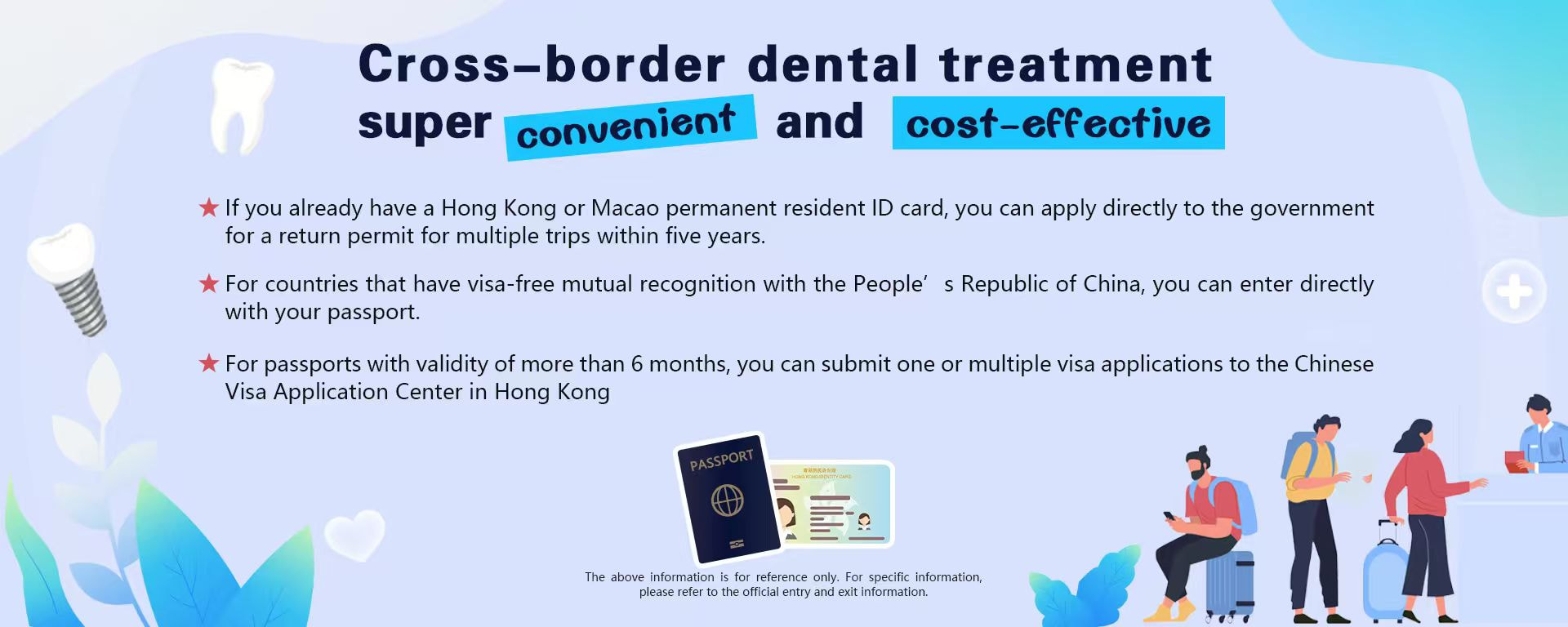
In recent years, many Hong Kong residents have opted to travel to Chinese Mainland, particularly cities like Shenzhen and other parts of Guangdong, for dental treatments. The reasons vary—some find it more convenient time-wise, while others see it as an opportunity for a short getaway. However, a common concern arises when it comes to dental fillings: how soon can you resume normal eating after the procedure? This question not only pertains to comfort but also directly impacts the effectiveness of the dental work and your overall oral health.
**Why Cant You Eat Immediately After a Filling?**
Dental fillings typically involve the use of materials such as resin or other compounds that require time to fully harden and set. Eating immediately after a filling can cause these materials to shift, become damaged, or interfere with the dentists adjustments to your bite. Additionally, if anesthesia was used during the procedure, you might not feel pain even if you accidentally bite your lip or tongue, which can lead to unintentional injuries.
**Recommended Waiting Period**
Generally, it is advisable to wait until the anesthesia has completely worn off before eating, which usually takes one to two hours. Depending on the material used for the filling, your dentist might recommend waiting even longer—perhaps three to four hours—before consuming hard or sticky foods. During this time, you can drink small amounts of room-temperature water, but avoid chewing on the side of the mouth where the filling was done to prevent unnecessary pressure on the newly treated area.
**Eating Tips Post-Filling**
Once youre cleared to eat normally, start with soft and mild foods like porridge, steamed eggs, soft noodles, or soup ingredients. Avoid hard cookies, nuts, or chewy meats initially, as these can impact the newly filled tooth and potentially cause micro-cracks.
Be cautious with hot or cold foods as well. Post-filling, teeth may become sensitive to temperature changes, leading to discomfort or a tingling sensation. This sens
 itivity usually subsides over time, but initially, its best to choose foods at moderate temperatures to allow your teeth to gradually adjust.
**Daily Care Affects Recovery Speed**
Dont assume that the job is done once your filling is complete. Proper aftercare is crucial. Maintain oral hygiene by brushing and flossing daily, but be gentle, especially around the filled area, to avoid irritating the filling.
Your diet also plays a significant role. Minimize the intake of overly sweet or acidic foods, as sugars can promote bacterial growth and acids can erode enamel, increasing the risk of secondary cavities. For long-lasting fillings, opt for fewer snacks and more vegetables and high-fiber foods to ensure balanced chewing.
**Pay Attention to Body Signals**
If you experience persistent pain, discomfort in your bite, or notice cracking or looseness when eating, consult your dentist promptly. Ignoring these signs wont make them go away; they indicate potential issues with your teeth or gums that require early intervention to prevent worsening.
**Considerations for Dental Treatments in Chinese Mainland**
Before heading to Chinese Mainland for dental work, research the dentists experience, clinic environment, and sterilization practices. After your filling, ask the dentist about any specific restrictions, such as dietary guidelines, brushing techniques, or follow-up appointments. Since returning to the same dentist for a check-up might not be convenient once youre back in Hong Kong, its best to clarify all aftercare details on the spot.
**Conclusion**
The time it takes to resume normal eating after getting a dental filling in Chinese Mainland largely depends on the hardening time of the materials used, the anesthesias dissipation, and your personal recovery rate. Generally, waiting until the anesthesia has worn off and starting with soft foods before gradually returning to a regular diet can ensure lasting and comfortable results. Remember, your teeth are lifelong companions; its not just about fixing them but maintaining them well, so your smile remains natural and confident.
itivity usually subsides over time, but initially, its best to choose foods at moderate temperatures to allow your teeth to gradually adjust.
**Daily Care Affects Recovery Speed**
Dont assume that the job is done once your filling is complete. Proper aftercare is crucial. Maintain oral hygiene by brushing and flossing daily, but be gentle, especially around the filled area, to avoid irritating the filling.
Your diet also plays a significant role. Minimize the intake of overly sweet or acidic foods, as sugars can promote bacterial growth and acids can erode enamel, increasing the risk of secondary cavities. For long-lasting fillings, opt for fewer snacks and more vegetables and high-fiber foods to ensure balanced chewing.
**Pay Attention to Body Signals**
If you experience persistent pain, discomfort in your bite, or notice cracking or looseness when eating, consult your dentist promptly. Ignoring these signs wont make them go away; they indicate potential issues with your teeth or gums that require early intervention to prevent worsening.
**Considerations for Dental Treatments in Chinese Mainland**
Before heading to Chinese Mainland for dental work, research the dentists experience, clinic environment, and sterilization practices. After your filling, ask the dentist about any specific restrictions, such as dietary guidelines, brushing techniques, or follow-up appointments. Since returning to the same dentist for a check-up might not be convenient once youre back in Hong Kong, its best to clarify all aftercare details on the spot.
**Conclusion**
The time it takes to resume normal eating after getting a dental filling in Chinese Mainland largely depends on the hardening time of the materials used, the anesthesias dissipation, and your personal recovery rate. Generally, waiting until the anesthesia has worn off and starting with soft foods before gradually returning to a regular diet can ensure lasting and comfortable results. Remember, your teeth are lifelong companions; its not just about fixing them but maintaining them well, so your smile remains natural and confident.
 **How Soon Can You Eat Normally After Dental Fillings in Chinese Mainland?**
In recent years, many Hong Kong residents have opted to travel to Chinese Mainland, particularly cities like Shenzhen and other parts of Guangdong, for dental treatments. The reasons vary—some find it more convenient time-wise, while others see it as an opportunity for a short getaway. However, a common concern arises when it comes to dental fillings: how soon can you resume normal eating after the procedure? This question not only pertains to comfort but also directly impacts the effectiveness of the dental work and your overall oral health.
**Why Cant You Eat Immediately After a Filling?**
Dental fillings typically involve the use of materials such as resin or other compounds that require time to fully harden and set. Eating immediately after a filling can cause these materials to shift, become damaged, or interfere with the dentists adjustments to your bite. Additionally, if anesthesia was used during the procedure, you might not feel pain even if you accidentally bite your lip or tongue, which can lead to unintentional injuries.
**Recommended Waiting Period**
Generally, it is advisable to wait until the anesthesia has completely worn off before eating, which usually takes one to two hours. Depending on the material used for the filling, your dentist might recommend waiting even longer—perhaps three to four hours—before consuming hard or sticky foods. During this time, you can drink small amounts of room-temperature water, but avoid chewing on the side of the mouth where the filling was done to prevent unnecessary pressure on the newly treated area.
**Eating Tips Post-Filling**
Once youre cleared to eat normally, start with soft and mild foods like porridge, steamed eggs, soft noodles, or soup ingredients. Avoid hard cookies, nuts, or chewy meats initially, as these can impact the newly filled tooth and potentially cause micro-cracks.
Be cautious with hot or cold foods as well. Post-filling, teeth may become sensitive to temperature changes, leading to discomfort or a tingling sensation. This sens
**How Soon Can You Eat Normally After Dental Fillings in Chinese Mainland?**
In recent years, many Hong Kong residents have opted to travel to Chinese Mainland, particularly cities like Shenzhen and other parts of Guangdong, for dental treatments. The reasons vary—some find it more convenient time-wise, while others see it as an opportunity for a short getaway. However, a common concern arises when it comes to dental fillings: how soon can you resume normal eating after the procedure? This question not only pertains to comfort but also directly impacts the effectiveness of the dental work and your overall oral health.
**Why Cant You Eat Immediately After a Filling?**
Dental fillings typically involve the use of materials such as resin or other compounds that require time to fully harden and set. Eating immediately after a filling can cause these materials to shift, become damaged, or interfere with the dentists adjustments to your bite. Additionally, if anesthesia was used during the procedure, you might not feel pain even if you accidentally bite your lip or tongue, which can lead to unintentional injuries.
**Recommended Waiting Period**
Generally, it is advisable to wait until the anesthesia has completely worn off before eating, which usually takes one to two hours. Depending on the material used for the filling, your dentist might recommend waiting even longer—perhaps three to four hours—before consuming hard or sticky foods. During this time, you can drink small amounts of room-temperature water, but avoid chewing on the side of the mouth where the filling was done to prevent unnecessary pressure on the newly treated area.
**Eating Tips Post-Filling**
Once youre cleared to eat normally, start with soft and mild foods like porridge, steamed eggs, soft noodles, or soup ingredients. Avoid hard cookies, nuts, or chewy meats initially, as these can impact the newly filled tooth and potentially cause micro-cracks.
Be cautious with hot or cold foods as well. Post-filling, teeth may become sensitive to temperature changes, leading to discomfort or a tingling sensation. This sens
Vickong Dental
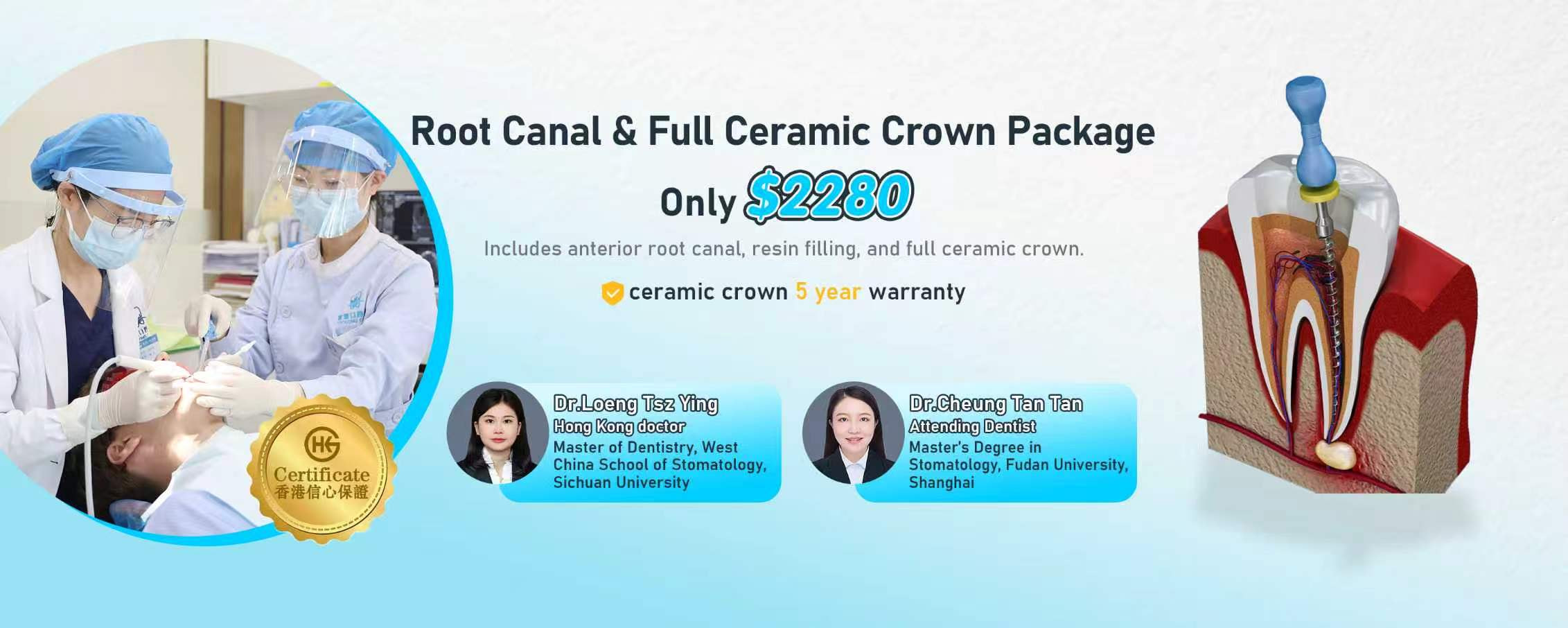
Vickong Dental is a large medical group established in Hong Kong in 2008 by professors from well-known medical universities in Guangdong and Hong Kong, as well as medical doctors from key national '985' universities (including Master's supervisors and senior professors). The chain of branches brings together expert dentists with PhDs and Master's degrees from Hong Kong and Mainland China, committed to providing high-quality dental treatment.
"Vickong Dental Practices the University Motto of 'Healing and Serving Society,' with a Stable Operation for Sixteen Years. It Has Been honored with Hong Kong Enterprise Leaders's Choice,' and is a Global Trusted Implant Center for the Nobel Implant System. Recommended by Hong Kong Metro Broadcast and Guangdong Television, it Serves Customers from Over Thirty Countries and Regions, Gaining the Trust and Favor of Citizens from the Guangdong-Hong Kong-Macau Greater Bay Area and Surrounding Cities.


Thousands of customers' unanimous praise
The most recognized and highly recommended dental service by customers in the Guangdong-Hong Kong-Macau Greater Bay Area









We Ensure You Receive Detailed Care and Attention Here
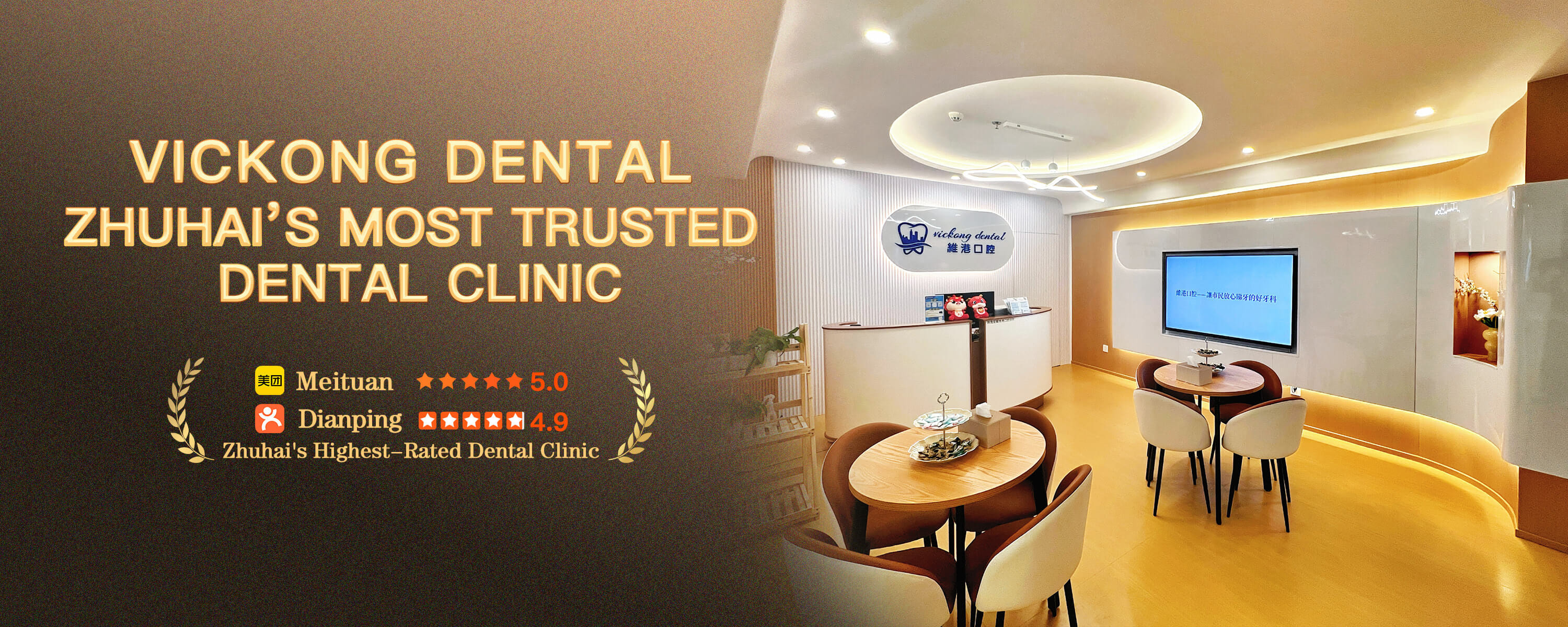
Hong Kong standards, Shenzhen prices, Your Trusted English-speaking dentists

Vickong Dental Medical-Grade Instrument Disinfection Process

Vickong Dental Medical-Grade Instrument Disinfection Process

Vickong Dental Chain: A Warm and Comfortable Environment for Treatment


Appointment Hours


Q&A
Why choose Vickong Dental?

Vickong Dental practices the university motto 「Medicine to Benefit Society」, with each branch bringing together highly qualified dentists with doctoral and master’s degrees from Hong Kong and the Mainland, and has maintained seventeen years of steady operation。Recipient of 「2024 Hong Kong Enterprise Leaders Brand」, 「2025 Hong Kong Enterprise Leaders Brand」, a Nobel Biocare Global Trusted Implant Center, and a brand recommended by Metro Radio Hong Kong and Guangdong TV。
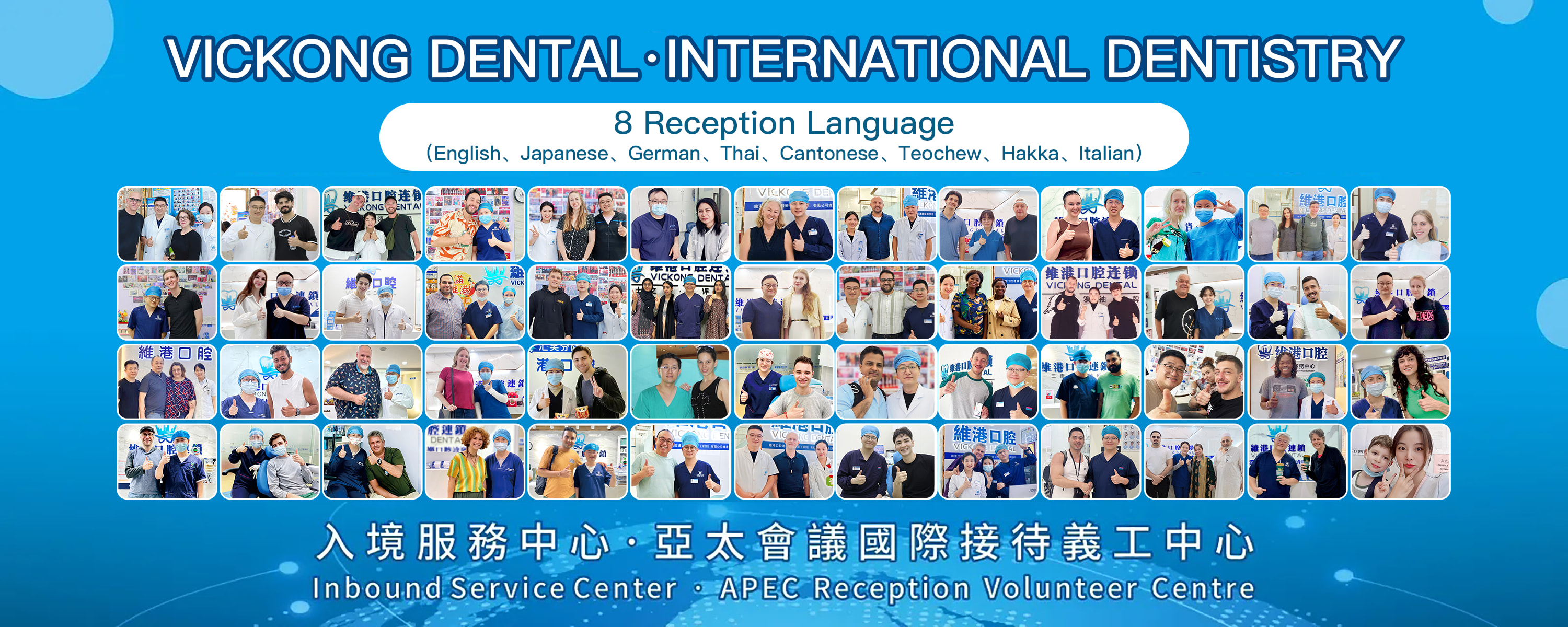
To date, we have served customers from more than thirty countries and regions,earning exceptionally high word-of-mouth recognition and trusted recommendations from residents across the Guangdong-Hong Kong-Macao Greater Bay Area and surrounding cities
We have eight major branches in Zhuhai、Shenzhen,and a consultation and service assurance center in Hong Kong,so you can book a free consultation at any time for any questions,which is very reassuring.
If I do not accept the quotation after the CT scan, will I be charged??
No! As long as the actual treatment has not started, you will not be charged any fees.
Will there be any additional charges during the treatment process?
No, there won’t be any additional charges. Before treatment begins, we will clearly explain the treatment plan and its corresponding fees. Only after the patient agrees and signs the consent form will we proceed with the dental service.
Can I pay in Hong Kong dollars?
Yes. Vickong Dental accepts payment in Hong Kong dollars. The amount will be converted based on the exchange rate of the day, and the applicable rate will be clearly communicated to you in advance.
Can I reschedule my appointment at any time?
Yes. Please contact us via **WeChat** or **WhatsApp** as early as possible, providing your original appointment time and details, along with your preferred new date and time slot for rescheduling.