




**Will Dental Treatments in the Chinese Mainland Affect Future Implant Plans?**
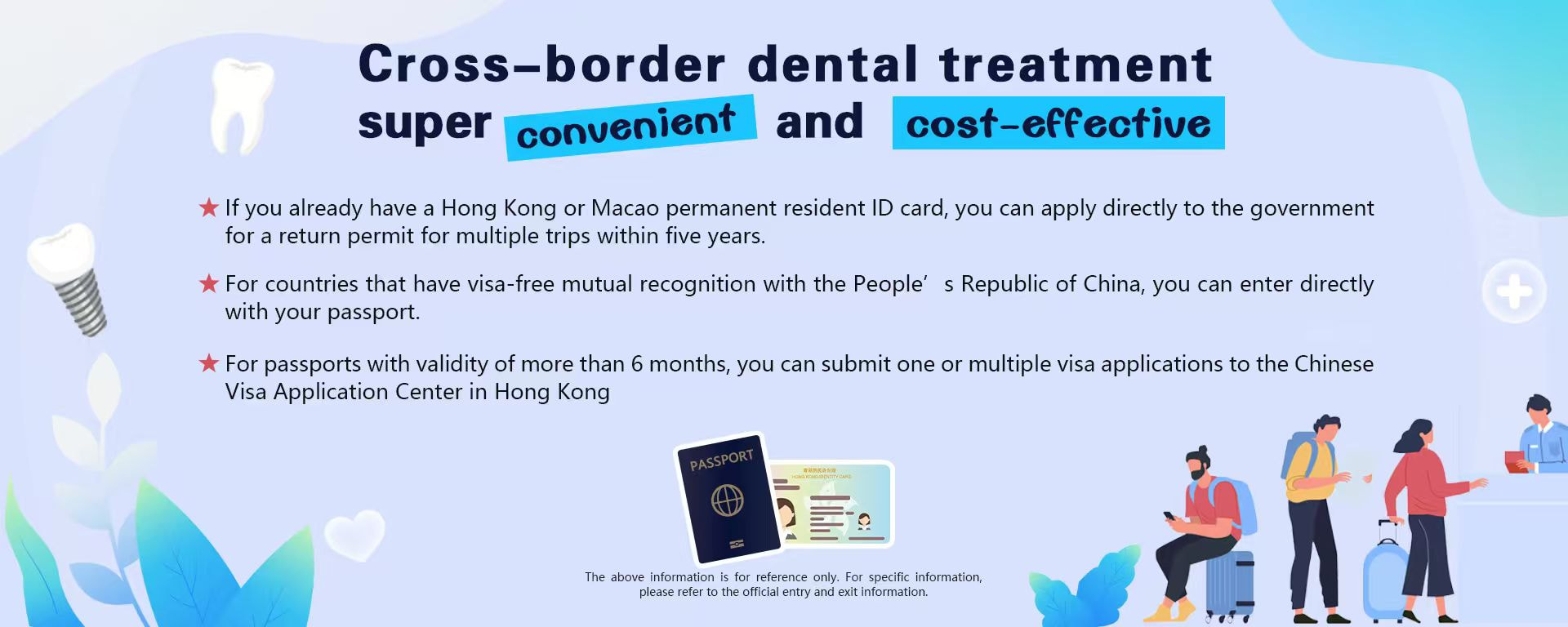
In recent years, many Hong Kong residents have opted to travel to the Chinese Mainland for dental procedures such as fillings, cleanings, and even more complex treatments. The reasons are straightforward: lower costs, a wide range of clinic options, and professional services in some areas. However, a common concern arises: will getting dental work done in the Mainland affect future dental implant plans in Hong Kong or elsewhere? This question is not merely about cost and convenience but also involves dental health and long-term care.
**1. The Convenience and Practical Considerations of Mainland Dental Treatments**
With the increasing prevalence of cross-border healthcare, many find traveling to Shenzhen or other northern cities for dental work convenient and quick to schedule. Many clinics boast modern equipment, and the skills and communication abilities of healthcare professionals are increasingly international. However, dental fillings are more complex than simple cleanings, involving factors like the depth of cavities, pulp treatment, material quality, and follow-up care. If not properly managed, these aspects can complicate future implant procedures.
**2. Impact of Filling Quality on Implant Plans**
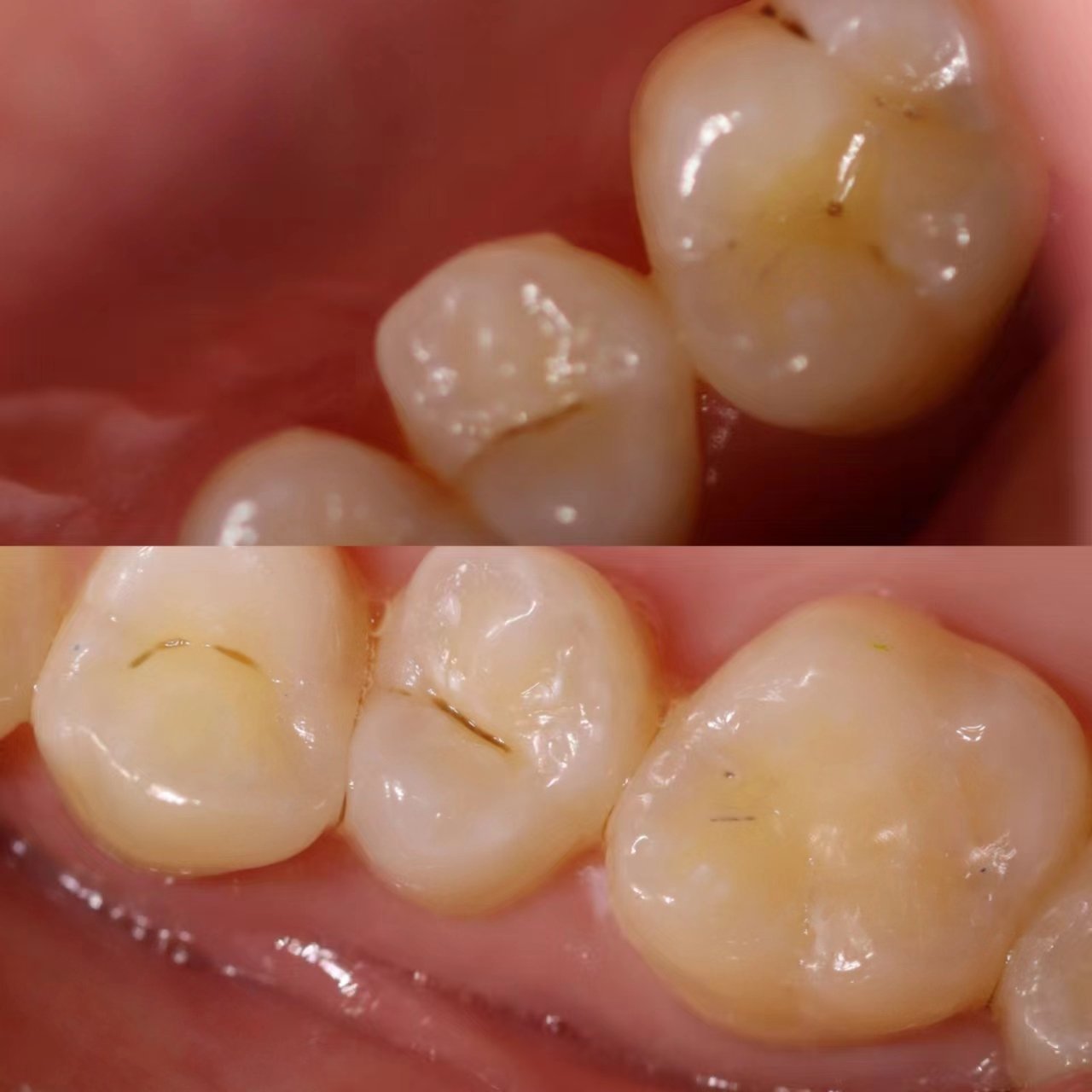
Before undergoing an implant procedure, dentists typically assess the overall oral health, particularly the condition of the jawbone, periodontal tissues, and previous treatment records. If the materials used in previous fillings were not well-sealed or if decayed tissue was not fully removed, it could lead to infections in the root or adjacent teeth. This would necessitate additional procedures such as inflammation removal or bone grafting before implants can be placed, increasing both the time and complexity of the surgery.
Moreover, dental materials and technical standards can vary between regions. Some materials used in the Mainland might not be common in Hong Kong, leaving local dentists unfamiliar with their properties and longevity. If these materials need to be removed before placing an implant, it could require extra effort and time.
**3. Record-Keeping and Follow-Up Challenges**
In Hong Kong, dental visits typically include detailed record-keeping, facilitating future follow-ups. However, if you receive dental care in the Mainland, unless the clinic provides comprehensive medical records and X-rays, Hong Kong dentists may not know what procedures were previously performed. If the same tooth encounters issues later, additional imaging and evaluations might be necessary, leading to wasted time and money. Furthe
rmore, the lack of interoperability between medical records from different regions poses a potential risk for those planning future implants.
**4. Comprehensive Planning for Implants: Beyond a Single Tooth**
Dental implants are not as simple as "filling a tooth, placing a screw." They require systematic treatment. Dentists must evaluate occlusion, jawbone thickness, gum health, and oral hygiene habits. If previous fillings were poorly shaped or misaligned, they could affect overall occlusion. Implant planning may then require prior adjustments or repairs, extending the time and procedures involved.
Additionally, teeth that have been filled may not last long if structural strength was not considered during the procedure. If the tooth deteriorates further over the years, extraction and subsequent implant placement might become necessary, leading to repeated investments. Therefore, many dentists recommend that treatments, regardless of location, be coordinated or followed up by the same or collaborating practitioners to minimize risks.
**5. Minimizing the Impact of Mainland Dental Work on Future Implants**
If you decide to have dental work done in the Mainland, consider the following tips:
1. Choose clinics with proper licensing and well-equipped facilities.
2. Request detailed treatment records and dental images, stored in electronic formats.
3. Ensure that the materials used for fillings are comparable to Hong Kong standards.
4. Regularly have oral check-ups in Hong Kong to confirm the integrity of the fillings.
5. If you have future implant plans, discuss them with your dentist to ensure they understand your overall needs.
Though these steps may seem cumbersome, they can significantly reduce risks in the long run and facilitate further treatments by Hong Kong dentists.
**6. Conclusion: Short-Term Convenience vs. Long-Term Viability**
While dental treatments in the Mainland may offer immediate appeal, from a dental health perspective, short-term convenience does not always equate to long-term suitability. Fillings are intended to preserve teeth, but if their quality or records are inadequate, they could affect future implants or other oral treatments.
The best approach is to prioritize "long-term planning" over immediate convenience, regardless of where treatments are performed. A healthy, stable, and low-maintenance dental system relies on continuous monitoring and clear documentation. If you plan to get implants in the future, laying a solid foundation now through proper fillings, maintenance, and record management will facilitate smoother procedures, no matter where you choose to have them done.
















