




**Choosing the Best Toothbrush After Dental Treatment in Chinese Mainland**
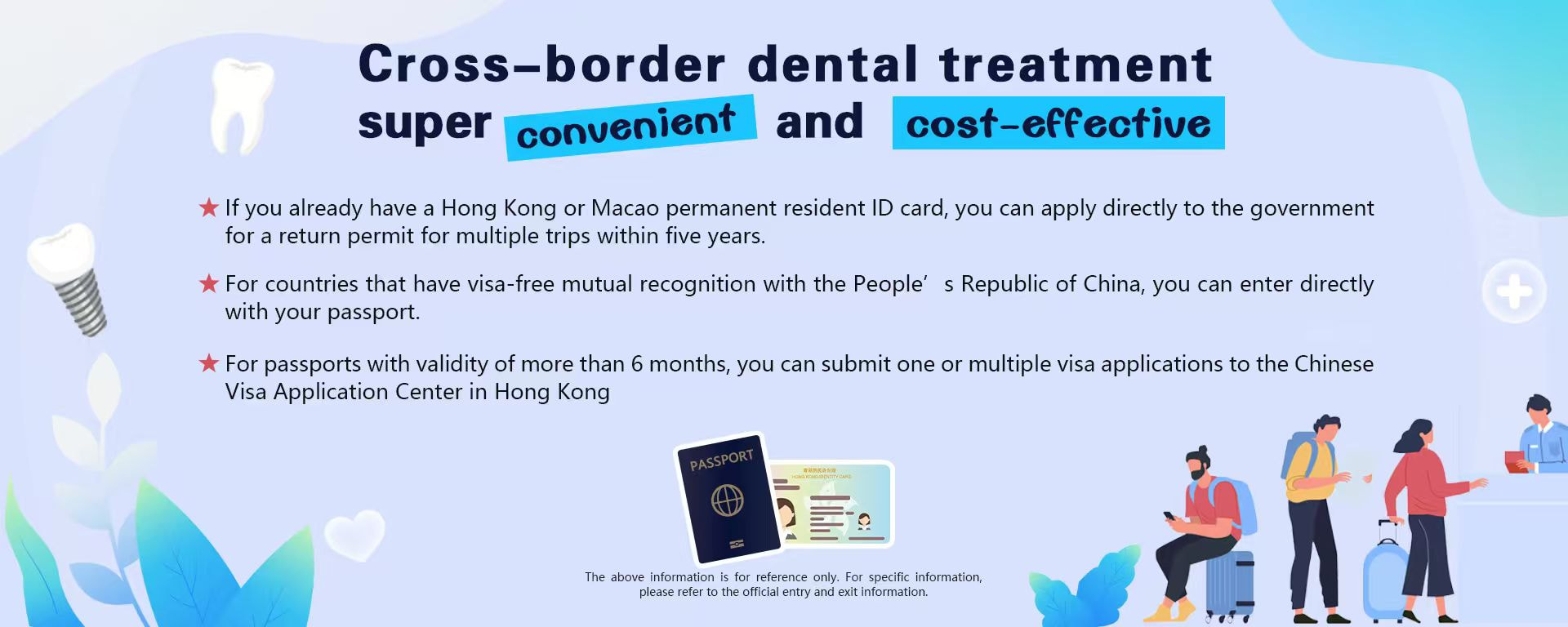
In recent years, many Hong Kong residents have opted to travel to cities like Shenzhen and Guangzhou for dental treatments. The reasons vary, ranging from convenience to seeking more dental care options. After returning from dental procedures, an essential step to consider is selecting the right toothbrush. A suitable toothbrush not only helps maintain the results of dental work but also promotes overall oral health, preventing future cavities and gum issues.
**1. Assess Your Dental and Gum Health**
Post-treatment, your teeth and gums may be more sensitive, especially around the filling areas that are still adjusting to the new texture. Before choosing a toothbrush, its crucial to understand your oral health status. If you experience bleeding gums or slight tooth mobility, opt for a toothbrush with softer bristles to minimize irritation.
**2. Bristle Softness**
Contrary to popular belief, harder bristles dont necessarily clean better. In fact, they can damage sensitive areas like fillings and gums. Initially, after dental work, its advisable to use a toothbrush with soft or medium-soft bristles. As your mouth adjusts, you can switch to slightly firmer bristles if needed. For those with persistent gum sensitivity, consistently using a soft-bristle toothbrush with proper brushing techniques is recommended for optimal results.
**3. Toothbrush Head Size and Shape**
Many Hong Kong residents prefer toothbrushes with smaller heads for better access to all corners of the mouth. After dental work, ensure the toothbrush head isnt too large, as it might snag on fillings and cause abrasion. Generally, round or slightly curved small heads are more adept at following the contour of your teeth. If your dental work involves molars at the back, a smaller head will offer greater maneuverability.
**4. Handle Design and Grip**
The importance of the toothbrush handle is often overlooked. Post-treatment, you may need to adjust your brushing force, and a comfortable grip can help control pressure and direction, preventing gum injury. When selecting a toothbrush, pay attention to the handles anti-slip design and length to ensure ease of use during daily brushing.
**5. Manual vs. Electric Toothbrush**
Electric toothbrushes offer convenience a
nd are particularly beneficial for those who struggle with brushing angles. However, after dental treatment, be mindful of the vibration intensity and brush head type. If you have sensitive gums, opt for a gentle vibration mode or use a soft-bristle replacement head. Manual toothbrushes allow for better control over pressure and angle, ideal for those who prefer a gradual cleaning process. Ultimately, the choice should align with your habits and your dentists recommendations.
**6. Brushing Techniques and Complementary Care**
Choosing the right toothbrush is just the first step. After dental treatment, its essential to employ proper brushing techniques, such as gently brushing at a 45-degree angle from the gums towards the teeth, avoiding harsh horizontal scrubbing. Complement your routine with dental floss or an oral irrigator to remove debris from between teeth and along the gum line, ensuring thorough oral hygiene. Aim for a brushing duration of about two minutes, twice daily.
**7. Toothbrush Replacement Schedule**
Many people neglect to replace their toothbrushes regularly. Once bristles become bent or frayed, their cleaning effectiveness diminishes. After dental treatment, its recommended to replace your toothbrush every three months. If theres a risk of bacterial contamination or significant bristle deformation, replace it sooner to maintain oral health.
**8. Consult Your Dentist**
Everyones oral health is unique, so the safest approach is to consult your dentist after treatment to determine the most suitable toothbrush type for you. Your dentist will provide tailored advice based on the materials used, the location of the dental work, and the health of your gums. They may even demonstrate the correct brushing technique to reduce the risk of future dental issues.
In summary, after receiving dental care in Chinese Mainland, choosing a toothbrush involves considering bristle softness, head size, handle design, and whether to opt for an electric toothbrush. Regardless of the type you choose, its crucial to use the correct method and replace your toothbrush regularly to protect the results of your dental work and overall oral health. Remember, the toothbrush is your first line of defense in daily dental care, so dont overlook this detail. Investing in your dental health will always be worthwhile.
















