



Why Is Going North for Teeth Cleaning So Popular Insider Secrets Revealed
Why Is Going North for Teeth Cleaning So Popular Insider Secrets Revealed
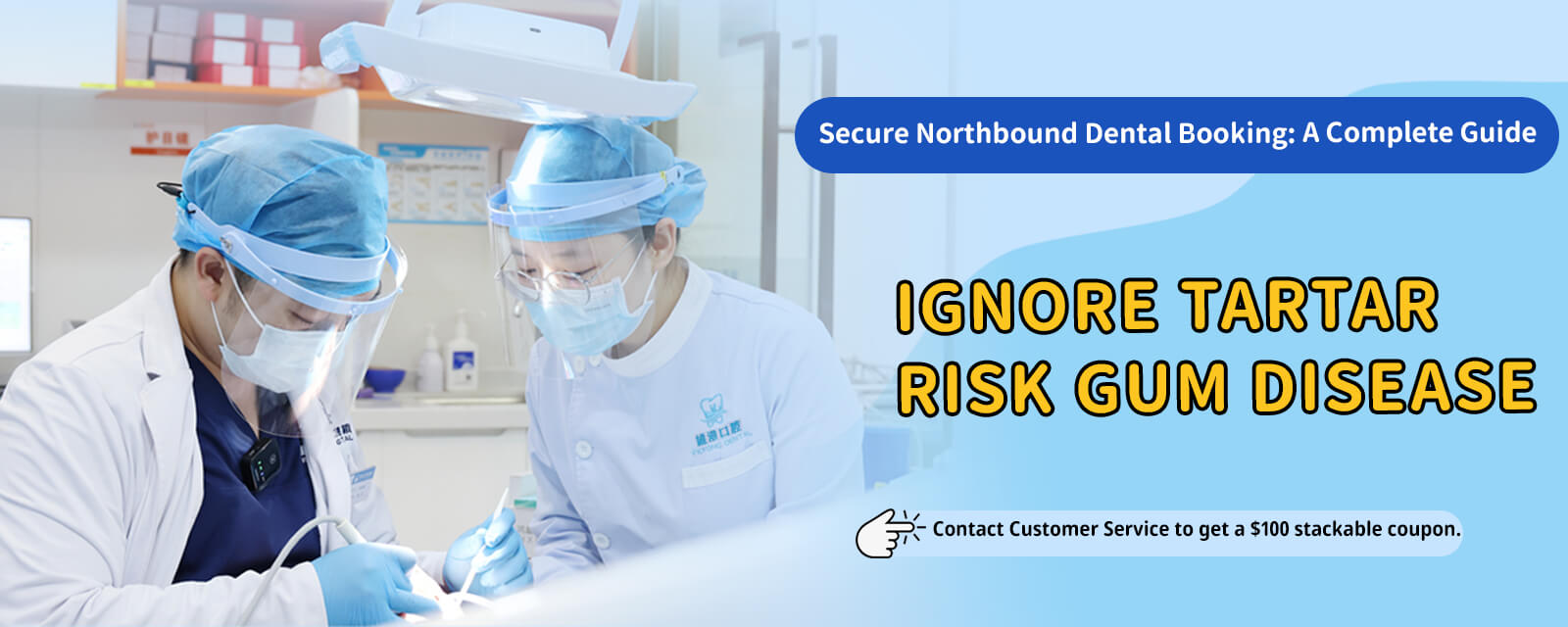
Why Is Going North for a Teeth Cleaning So Popular? The Inside Story
In recent years, more and more Hong Kong residents have been heading north to mainland China for teeth cleaning. A same-day weekend trip—get your dental scaling done, enjoy a good meal, browse a mall—has become a new normal. Why is cross-border teeth cleaning so popular, and what should you watch out for? Here’s a down-to-earth breakdown.
Main reasons behind the “go north for teeth cleaning” trend
- Convenience and time efficiency: With high-speed rail and cross-border buses running frequently, you can book a time slot, arrive, and get it done. Many clinics also offer evening and weekend appointments—great for working professionals and families.
- Fresh, modern experience: Many people find mainland clinics newer and more high-tech, with digital workflows and even comprehensive exams with instant reports, making the process feel smooth.
- Social media influence: KOLs and word of mouth lower the barrier to “try it once.” Some people bundle teeth cleaning with beauty treatments or a massage as part of a self-care itinerary.
- Perceived value for money: The sense that you can get a checkup, cleaning, and add-on care in one visit feels “good value.” Standards vary by person, though—always match services to your actual needs.
What does a teeth cleaning actually involve?
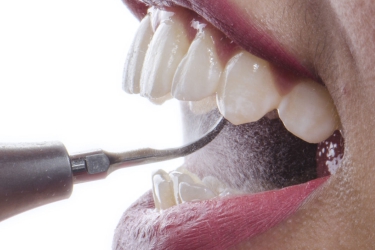
A professional teeth cleaning (prophylaxis) typically uses an ultrasonic scaler and water spray to remove tartar (calculus) and plaque from tooth surfaces and between teeth, followed by polishing to make surfaces smoother and reduce future buildup. If your gums are inflamed or tartar sits below the gumline, the dentist may recommend periodontal therapy—often called “deep cleaning” or scaling and root planing—usually paired with X-rays to assess bone levels. Teeth cleaning is not “the more often, the better.” The schedule should be based on your oral condition and a dentist’s assessment.
The inside scoop: How does teeth cleaning up north differ from local visits?
- Bundled, one-stop services: Many mainland clinics offer a packaged flow—from registration, imaging, and exam to cleaning and care recommendations in one go. It’s efficient, but check whether each step is truly necessary for you.
- Upsells to extended treatments: You may be recommended extras such as teeth whitening, air polishing (sandblasting), fluoride varnish, or intensive care. Not everyone needs these. Ask for the reasons and objectives, review your findings, then decide.
- Language and communication: Most clinics operate in Mandarin, and Cantonese is generally available. Technical terms can vary. State your preferred language upfront to avoid misunderstandings.
- Follow-up logistics: Teeth cleaning is routine maintenance and works best with ongoing records and regular follow-up. If you develop sensitivity or gum issues after a cross-border visit, immediate follow-up may be harder. Plan your next steps in advance.
How to choose a clinic wisely
- Check credentials: Look for legal clinic registration and licensed practitioners—this is usually displayed at reception or on the official website. Don’t hesitate to ask.
- Observe sterilization: Are instruments individually packaged? Are disposables used appropriately? Is hand and surface disinfection in the operatory standardized? These details reflect professionalism
.
- Demand diagnostic transparency: Before any exam, do they explain what’s included? Afterward, do they provide X-rays or intraoral photos, periodontal charting data, and a written treatment plan? Higher transparency usually means greater peace of mind.
- Evaluate first, treat second: Ideally, a dentist should assess your gums before cleaning. Avoid clinics that rush to “start right away.” If you face hard sells for unclear add-ons, remember it’s your decision.
- Prioritize communication comfort: Are your questions taken seriously? Can they adjust power and technique for sensitive gums? This directly affects your experience.
Risks and blind spots to watch for
- Over-cleaning or excessive force: Some people feel sensitivity or notice more bleeding afterward. A good cleaning is thorough, not rough. Speak up immediately if you’re uncomfortable.
- Inadequate examination: If only the surface is cleaned without a periodontal assessment, deeper issues may be missed—potentially delaying treatment for gum disease.
- Follow-up gaps: If issues arise after a cross-border cleaning, returning promptly may be difficult. Keep complete records (images, reports) so a Hong Kong dentist can reassess if needed.
Practical tips before and after your cleaning
- Before your visit: List your concerns (e.g., gums bleed easily, frequent food traps in certain spots, history of periodontal treatment) and tell your dentist clearly.
- On the day: Cleaning intensity should be adjusted to you. If it feels too strong, ask to pause and modify settings. For any add-on recommendations, ask to see supporting data or images first.
- Aftercare: Mild sensitivity for 2–3 days is common. Avoid very hot or very cold foods and drinks. Brush morning and night, use floss or interdental brushes, and consider fluoride toothpaste if needed.
- Regular checkups: Most people benefit from a checkup every 6–12 months. If you smoke, often have gum inflammation, or build up heavy tartar, schedule more frequent exams and cleanings.
- Daily habits matter most: Cut back on sugary, sticky foods, rinse after meals, and never skip flossing. These habits contribute more to oral health than cleanings alone.
FAQs
- Does teeth cleaning damage my teeth? Not when performed by qualified professionals. Ultrasonic scalers target tartar, not healthy enamel. Polishing smooths the surface to reduce future buildup.
- If my gums bleed, does that mean it was a bad cleaning? Not necessarily. Bleeding often comes from existing gingivitis and tartar irritation. Once buildup is removed—and with consistent home care and regular follow-ups—bleeding typically improves.
- Do I need X-rays? It depends on your periodontal status and your dentist’s judgment. If periodontal disease, hidden decay, or deeper treatments are suspected, imaging provides essential information. Not everyone needs X-rays every visit; weigh the need each time.
Conclusion
Cross-border teeth cleaning is popular for clear reasons: convenient transport, fast processes, and a fresh experience. What truly matters is matching services to your needs and choosing a professional, transparent dental team that communicates well. A cleaning is only one step in oral care; long-term health depends on daily habits and regular checkups. Spend smart and choose wisely—that’s the real inside story behind going north for a teeth cleaning.