



**Why Do Dental Crowns Feel Uneven After Having Implants Done in Mainland China?**
In recent years, many Hong Kong residents have opted to go to Mainland China for dental implants. The reasons vary; some find it more convenient location-wise, while others are keen to explore different dental technologies. However, upon returning, some individuals notice the surface of their dental crowns feels uneven. This naturally raises concerns: Is it due to poor craftsmanship or is there an underlying issue with the teeth? Lets delve into this topic from a relatable perspective.
**Possible Reasons for Uneven Dental Crowns:**
1. **Accuracy in Crown Fabrication**: Dental crowns are typically crafted by dental technicians using either a dental mold or digital scans. Any imprecision in the mold or minor deviations during the fabrication process can lead to a less than smooth crown surface. While this may not be visually apparent, the tongue can often feel these slight irregularities.
2. **Installation Process**: After implant surgery, dentists need to securely attach the crown to the implant or tooth root. Slight misalignments in the installation angle or bonding process can lead to surface unevenness. This is especially noticeable at the occlusion point, where asymmetry may cause one side to feel higher or lower than the other.
3. **Natural Wear and Adaptation**: Once the crown is in place, your teeth and oral muscles require time to adapt. Daily activities like eating and chewing naturally cause wear and tear on the crown and opposing teeth, gradually making any uneven areas more noticeable.
4. **Oral Hygiene Factors**: Inadequate cleaning can lead to plaque or tartar buildup along the edges of the crown, resulting in a rough texture. While this is not an issue with the crown itself, it can negatively affect periodontal health over ti
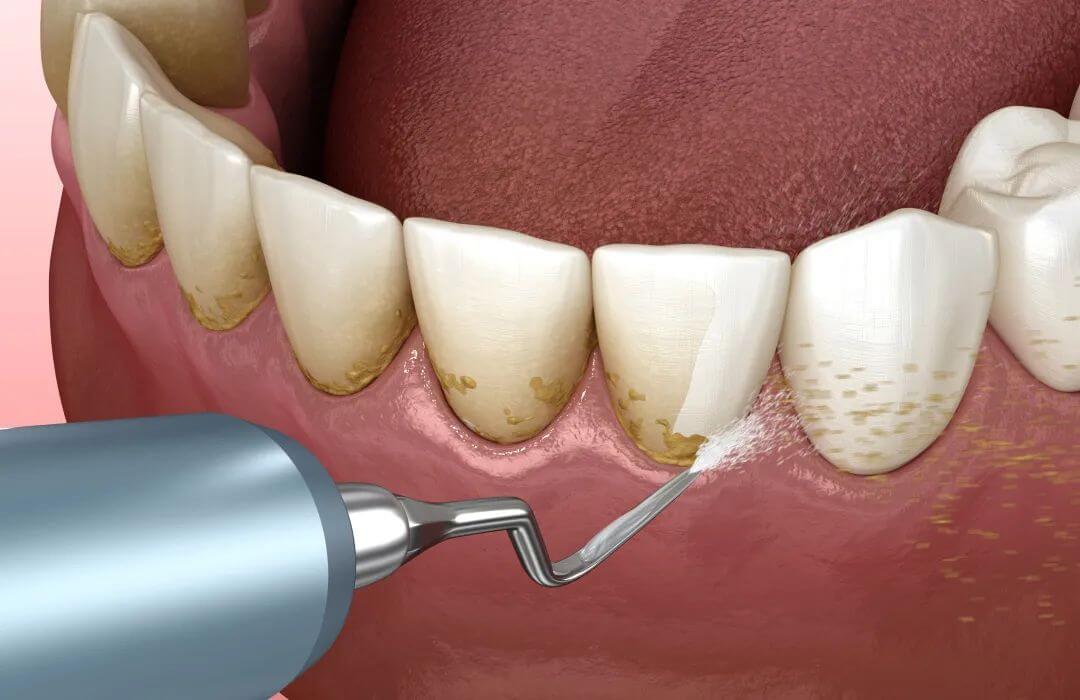
me, so extra attention is needed.
**Are There Any Risks Associated with Uneven Crowns?**
Generally speaking, minor unevenness doesn’t pose immediate issues. However, if it affects your bite, it may eventually lead to excessive stress on certain teeth, increasing the risk of wear or periodontal discomfort. Additionally, if the surface is rough enough to trap food particles, it can lead to quicker plaque accumulation and potential gum inflammation.
**How to Address and Prevent Uneven Crowns:**
First, if you notice your dental crown feels uneven, consult with the dentist who performed the procedure, whether locally or in Mainland China. A professional can check and adjust your bite or smooth out the surface, usually a straightforward process without the need for extensive treatment.
Secondly, maintain good oral hygiene by using dental floss or interdental brushes daily to clean around the crown, preventing tartar buildup. Regular check-ups and professional cleanings will ensure the crown and surrounding teeth remain healthy.
Finally, clearly communicate your expectations and needs. Before getting implants, discuss materials, shape, and occlusion design with your dentist. You can even request to view models or digital renderings before completion to minimize fabrication errors and enhance satisfaction.
**Conclusion**
Uneven dental crowns are not necessarily indicative of technical issues. They can result from production accuracy, installation angles, natural adaptation, or hygiene factors. The key is early detection and proactive management to ensure long-lasting oral health. Choosing to get implants in Mainland China is just one option; no matter where you have your dental work done, remember to schedule regular check-ups and maintain open communication with your dentist, ensuring you can confidently enjoy a healthy smile.
















