



**Why Does My Tooth Surface Feel Rough After Dental Implants in the North?**
In recent years, more Hong Kong residents have opted to travel north for dental treatments, including implants. The reasons are straightforward: advanced dental technology, a wide range of options, and speedy procedures. However, some people notice that the newly implanted teeth, which initially felt smooth, suddenly become rough and even gritty after a few days. What causes this? Does it indicate a problem with the dental implant? Today, lets explore this issue in a relaxed manner.
**Common Causes of Rough Tooth Surface After Implants**
1. **Wear on Temporary Crowns**
Dental implant procedures often occur in stages. Between the insertion of the implant and the placement of the permanent crown, a temporary crown is installed for daily functionality and aesthetics. Temporary crowns are usually made from less durable materials, which can become scratched from eating, brushing, or grinding, resulting in a rough feel. This is a common and normal situation.
2. **Plaque or Tartar Buildup**
After dental surgery, some people, fearing pain, may brush less diligently or avoid certain areas. This can lead to plaque accumulation that may even harden into tartar. Tartar surfaces are not smooth, naturally making them feel rough. Therefore, maintaining good oral hygiene is crucial, especially in the days following surgery, using correct cleaning methods.
3. **Adjustments to Bite Design**
Soon after getting a dental implant, dentists may intentionally leave a slight height on the bite surface for trial purposes, to be finely adjusted later. During this period, the crown may not be polished to its final smooth state.
4. **Micro-Cracks or Peeling of Material Surface**
Although less common, micro-cracks or minor peeling of the enamel surface on the implant materials can cause roughness. Such issues require a dental check-up to determine if repairs or crown replacements are necessary.
**How to Address This Issue?**
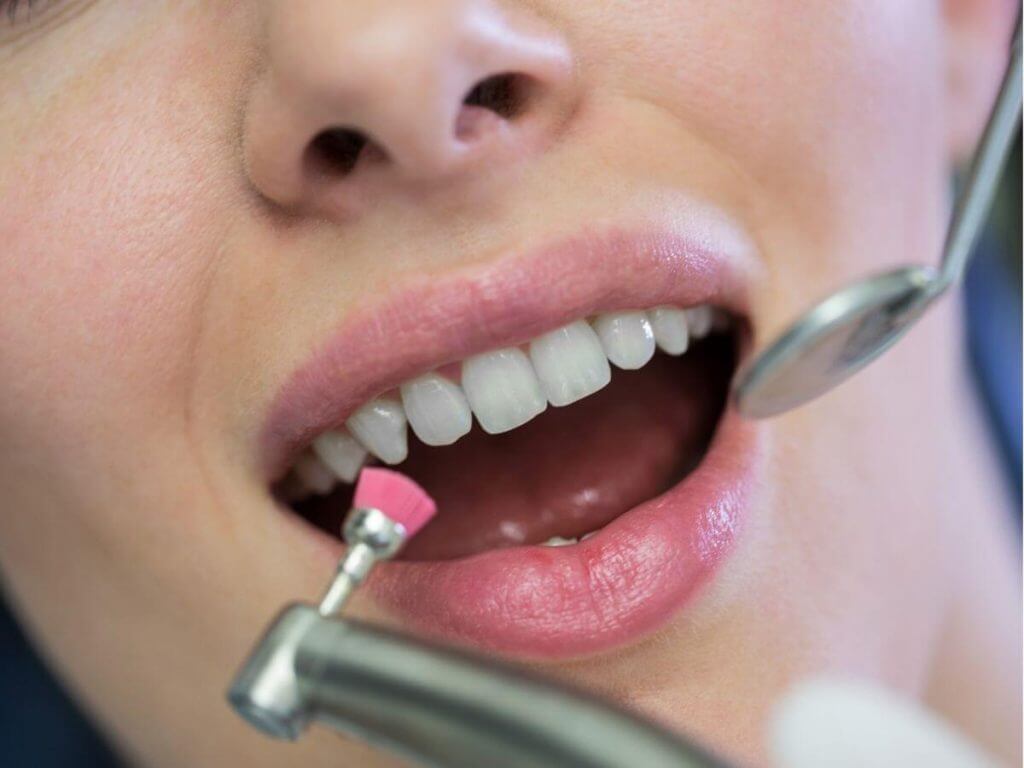
First, dont panic; roughness doesnt necessarily indicate a serious problem. However, if the roughness feels significantly different from your natural teeth or is accompanied by sensitivity, pain, or gum inflammation, you should see your dentist promptly.
General Recommendations:
- **Regular Follow-Ups**: Whether treated in the north or locally, regular dental check-ups are crucial, especially in the first few months post-surgery.
- **Maintain Oral Hygiene**: Gently brush around the implant with a soft-bristle toothbrush, and use mouthwash or dental floss after meals to prevent plaque buildup.
- **Avoid Hard Foods**: In the initial post-surgery phase, avoid eating hard foods like hard candies or nuts to reduce wear on the crown surface.
- **Monitor Chewing Habits**: Inform your dentist if you tend to grind your teeth; they may recommend a night guard to protect the tooth surface.
**How to Monitor Dental Implant Results After Traveling North?**
Many people mistakenly assume once the dental procedure in the north is done, theres no need for further check-ups. However, dental standards and practices may vary across regions. It’s recommended to follow your dentist’s instructions for regular check-ups. If you cannot travel back north, consult a local dentist, providing them with your initial treatment records for accurate assessment.
**Conclusion**
A rough tooth surface after getting implants in the north can result from various causes: from the properties of temporary crown materials and cleaning habits to tartar buildup or adjustments in bite design. The key is distinguishing between normal transitional changes and actual dental issues. Maintaining communication, regular check-ups, and good oral hygiene are vital to preserving the implant’s effectiveness and ensuring a reliable smile and chewing function.
If you would like, I can further enhance this article with targeted keywords related to “dental implants in the north” to improve its SEO performance. Would you like me to do that?
















