



**Is It Normal to Feel Facial Asymmetry After Getting Dental Implants in Mainland China?**
In recent years, an increasing number of Hong Kong residents have opted for dental treatments, including dental implants, in Mainland China. The reasons are straightforward: convenient transportation, a wide variety of choices, and advanced surgical techniques. However, some individuals notice a sense of asymmetry in their facial structure or feel that their smile looks odd after returning from their dental procedures. Is this phenomenon normal, or does it indicate a problem with the surgery? Today, we’ll explore the underlying reasons and appropriate solutions in simple terms.
**Potential Causes of Facial Asymmetry Post-Implant**
Firstly, it is important to understand that dental implantation involves surgery on teeth and the alveolar bone. During the procedure, dentists insert artificial roots into the jawbone, which may cause slight swelling in the surrounding oral tissues. Initial swelling is quite normal and typically subsides within a few days to a week. If the swelling is localized on one side, it can create a temporary sense of asymmetry.
Additionally, some individuals habitually chew on one side or have experienced prolonged tooth loss, leading to minor bone resorption in the jaw. After receiving implants, the new teeth’s height and shape are immediately restored to normal, but facial muscles may not yet have adapted, giving a "one side higher than the other" appearance. This requires an adaptation period, usually improving over several weeks to a few months.
**Impact of Facial Muscles and Chewing Habits**
Chewing muscles develop differently based on which side you predominantly use. If you consistently chew on the right side, for instance, the right muscles will be more developed compared to the left. After implants, if the dentist advises balanced chewing on both sides, muscle strength and appearance will need time to redistribute. A slight facial asymmetry during this transition phase is completely normal.
Moreover, many people find slight discomfort in chewing post-implant, as it takes time for new and existing teeth to harmonize. Once there are changes i
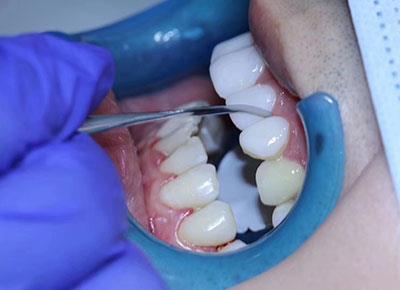
n the way teeth meet, the mouths movements naturally adjust, sometimes appearing skewed. Following dental guidance on training your teeth, such as slowly chewing softer foods and balancing the chewing on both sides, these symptoms typically diminish over time.
**Post-Surgery Care and Recovery Highlights**
Rest and care are crucial after getting dental implants. Initially, avoiding hard, spicy, and excessively hot foods helps minimize irritation to the jawbone. Maintaining oral hygiene is key to preventing infection and reducing swelling. Brush gently without touching the wound directly, and use mouthwash or saline solution if advised by the dentist.
If facial asymmetry persists beyond a few months or is accompanied by persistent pain or numbness, promptly consult your dentist to rule out nerve issues or implant positioning problems. However, in most cases, with patience and adaptation, facial balance naturally restores itself.
**Perception versus Reality**
Patients often have heightened sensitivity to their appearance after getting implants, with increased focus on their "new teeth," which can lead to mistakenly perceiving facial changes. In reality, minor facial muscle alterations during rest or use are physiological responses and don’t necessarily indicate a problem. Comparing photos taken before and a few weeks after surgery often reveals that perceived differences gradually diminish.
**Conclusion**
Feeling facial asymmetry after getting dental implants in Mainland China is mostly due to swelling, muscle adaptation, and bite adjustments, all of which are temporary phenomena. Adhering to dental care advice, maintaining good oral hygiene, and patiently allowing time for muscles and teeth to harmonize typically lead to improvement. Most importantly, if discomfort persists, communicate with your dentist promptly to ensure a safe and smooth recovery.
Before choosing dental implants in Mainland China, ensure you understand your oral health status, seek an experienced dentist, and allocate sufficient time and effort for care and adaptation post-surgery. This way, you can confidently enjoy the improved chewing comfort and smile confidence your new teeth bring.
















