



**Why Do People Want to Know How Long the Dental Implant Process Takes When Going North**
In recent years, more and more Hong Kong residents have been considering traveling to Mainland China for dental treatments, with dental implants being a popular choice for many. Aside from having a wider range of services and technologies to choose from, some find it more convenient to schedule their procedures in Mainland China. However, before making the decision, many people are curious about one key question: How long does the entire dental implant process take to complete? Today, using the colloquial style of Hong Kong residents, we will break down the full procedure and timeline to help you understand better.
**Dental Implants Aren’t Completed in a Day**
Many believe that once they arrive at the dental clinic, the dentist can immediately resolve everything, and theyll walk out with new teeth. In reality, dental implants are a staged treatment process involving examinations, surgery, recovery, and follow-up, each with its own time considerations. Typically, during the first visit, the dentist will conduct a comprehensive examination, including X-rays, assessments of the gums and jawbone, and a determination of your suitability for implants. This examination is usually completed on the same day, but whether you proceed depends on the results.
**Step One: Preoperative Examination and Planning**
The preoperative examination is crucial, as dental implants are more complex than simply "screwing them in." The dentist will thoroughly evaluate your oral health, the stability of your gums, and any potential issues like periodontal disease. If the jawbone isnt sufficient, additional procedures like bone grafting or gum enhancement might be required, which would extend the overall time. Once the planning is complete, the dentist will schedule the actual implant surgery.
**Step Two: Implant Surgery**
On the day of the surgery, the dentist will use local anesthesia to insert the artificial tooth root into the gums. This tooth root is typically made of titanium, chosen for its high compatibility with the human body. The surgery itself doesn’t take long, but the implant isn’t ready for immediate use afterward, as the tooth root needs to fuse with the jawbone—a process known as osseointegration.
**Step Three: Osseointegration Period**
Osseointegration is pivotal in the dental implant process, as the root must be firmly established in the jaw to handle everyday biting forces. This adjustment period can take weeks to months, varying per individual recovery conditions. Many Hong Kong residents plan their first trip north for the sur
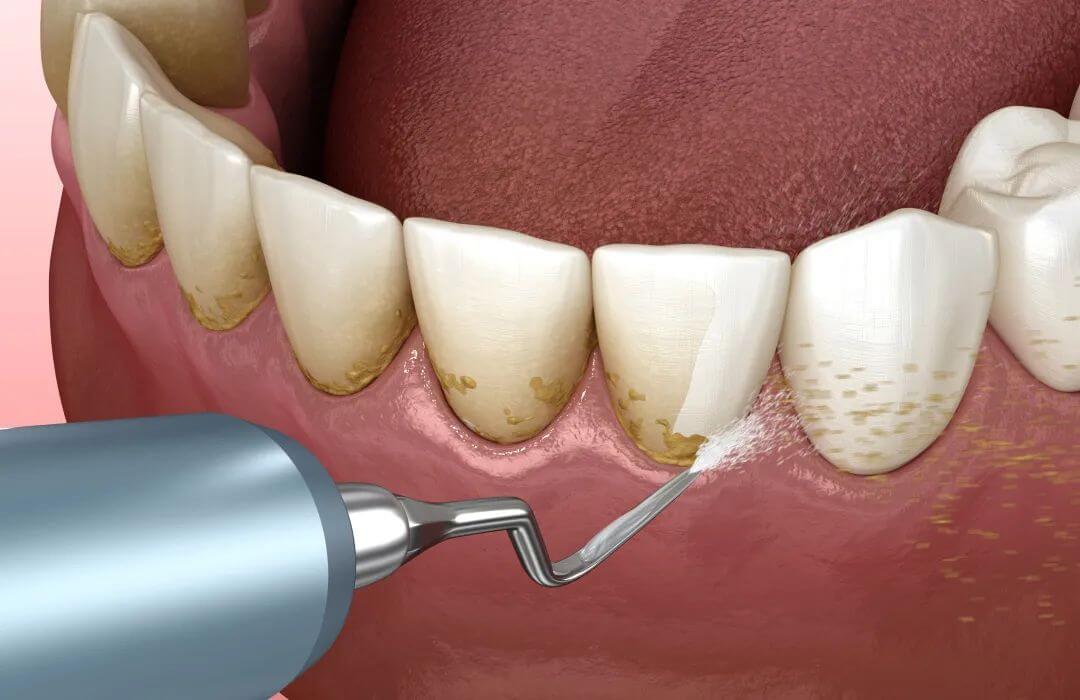
gery, then return to Hong Kong for daily life, waiting for the dentist to evaluate the completion of osseointegration before proceeding to the next step.
**Step Four: Installing the Crown**
Once osseointegration is complete, the dentist will add the dental crown to the artificial root. The crown mimics the appearance of a natural tooth, crafted from materials that best match the color and shape of your other teeth. This step is usually completed in one session, though adjustments might be needed to ensure comfortable biting and satisfactory appearance.
**Overall Time Overview**
From the initial examination to the final crown installation, the entire process typically spans several months, though the specific timeline varies per individual. If the gums are healthy and osseointegration occurs quickly, it might finish within a few months. However, if bone grafting or periodontal disease management is necessary, the timeline extends further. This is why many people want to understand how long the entire process takes in advance for better scheduling around work, travel, and lifestyle.
**Considering Life When Traveling North for Dental Implants**
Choosing to travel north for dental implants involves more than just time considerations; travel arrangements must be considered. Since multiple visits are necessary, factors like transportation, accommodation, and the intervals between trips must be planned. Some Hong Kong residents opt for weekend trips for examinations or follow-ups to avoid disrupting their workweek. Those with children or caregiving responsibilities might coordinate their treatments with vacation time to ease the recovery period.
**Post-Surgery Maintenance and Follow-Up**
Post-surgery maintenance is vital to prolong the lifespan of the implants. Even after completion, regular check-ups are necessary to ensure the roots and crowns remain in good condition. Maintaining good oral hygiene and avoiding excessive biting of hard foods can help extend the lifespan of the implants. Youll usually receive recommendations from the dentist on when to return for follow-ups, and if returning to Mainland China is inconvenient, local dental clinics in Hong Kong can offer basic inspections.
In summary, dental implants are a planned, stage-by-stage process, not something completed in a day. Traveling north for this procedure offers various medical options, but it requires psychological preparation regarding time, particularly in phases like osseointegration and bone grafting. By fully understanding the timeline, you can better plan your schedule and trips to ensure a smoother and more comfortable treatment experience.
















