



**Why You Should Avoid Sugary Drinks After Dental Implant Surgery in Mainland China**
In recent years, many Hong Kong residents have opted to get dental implants in Mainland China due to the advanced medical technology, convenient transportation, and the chance for a brief respite. However, regardless of where you undergo dental implant surgery, post-operative care is crucial for success. Many dentists advise against consuming overly sugary drinks after the procedure. But why is that? Lets examine this from a Hong Kong perspective.
**1. Sugar Fuels Bacterial Growth**
After dental implant surgery, the tissues around the teeth and gums need time to heal. During this period, the gums may be more sensitive. Consuming high-sugar drinks such as bubble tea, sugary coffee, and sodas can leave sugar residues in the mouth, providing bacteria with nutrients. When bacteria accumulate, they increase the risk of infection, hinder wound healing, and could even cause inflammation around the implant.
**2. Alters Oral pH Balance**
Sugary drinks often contain a lot of refined sugar and have acidic pH levels, which can lower the oral pH balance, making tooth surfaces more prone to erosion. Although dental implants are artificial, the surrounding gums and bones are natural. If the oral environment remains acidic, it can weaken the health of the bone and gums, increasing the potential for implant failure.
**3. Sensitive Gums Post-Surgery**
Returning to Hong Kong for rest after getting dental implants in Mainland China, people might naturally crave a cold sweet drink due to the hot weather. However, in the early post-op period, the gums have not yet fully integrated with the implant. Sugary or iced drinks can alter blood flow in the gums, heightening swelling or pain. While this stimulation is temporary, repeated exposure can slow down the healing process.
**4. Sugary Drinks Often Contain Other Harmful Ingredients**
Many popular sweet drinks among Hong Kong residents are not only high in sugar but may also include artificial colors, flavors, or creamers. These ingredien
ts can be unfriendly to teeth and gums. Coupled with insufficient water intake post-surgery, this can lead to a sticky mouth environment, impeding proper cleaning. Over time, this can increase the risk of periodontal issues and inflammation around the implant.
**5. Alternatives to Sugary Drinks**
Post-surgery, you can opt for unsweetened warm water, light tea, or low-sugar soy milk instead of sugary beverages. If you crave a bit of flavor, infuse water with fruit slices for a natural taste without added syrup. Keeping your mouth fresh is the first step in protecting your dental implants. Remember to rinse with water after any drink to reduce residue from sugars and acidic substances.
**6. Adjust Dietary and Hygiene Habits Post-Surgery**
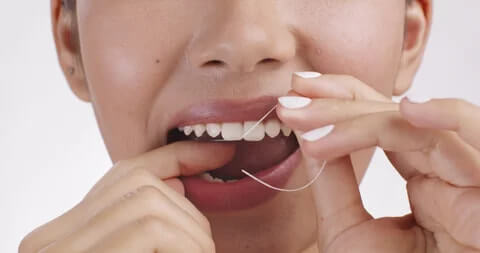
After returning from surgery in Mainland China, its crucial to plan your dietary and hygiene routines wisely. Brush your teeth at least twice a day, use dental floss or an oral irrigator to clean between teeth, and prevent plaque buildup near the implant. Avoiding sugary drinks is not just a short-term action. Even after the healing phase, its recommended to reduce high-sugar drink intake to create a healthy environment for both artificial and natural teeth.
**7. Psychological Patience**
Many people feel inconvenienced by post-operative dietary restraints. However, this period is vital for ensuring long-term durability of the implant. Exercising patience, waiting for the gums to completely stabilize before reintroducing small amounts of sweets, is beneficial. Understanding that short-term self-discipline can lead to long-term ease is key.
In summary, whether you undergo dental implant surgery in Hong Kong or Mainland China, avoiding overly sugary drinks post-surgery is crucial for minimizing bacterial growth, protecting gums, and maintaining bone health. Adopting a low-sugar or no-sugar diet, combined with good oral hygiene, will ensure your dental implants last longer and remain comfortable, reducing the risk of premature issues. Remember, your teeth are used daily, and thoughtful care will yield worthwhile rewards.
















