



**Is It Normal to Smell a Metallic Odor After Dental Implants in Mainland China?**
In recent years, many Hong Kong residents have opted for dental implants in Greater Bay Area cities like Shenzhen and Guangzhou to improve their dental health. The cost is relatively attractive, and the services and equipment are quite reasonable. However, some people experience a metallic taste or odor in their mouth post-surgery, leading them to worry about potential issues. In reality, detecting a slight metallic odor can be normal, but it’s important to remain vigilant and not ignore any unusual symptoms.
**Why Does Dental Implant Surgery Result in a Metallic Odor?**
Dental implant surgery is a minor surgical procedure involving the gums and jawbone. During the operation, the dentist cuts the gums to embed artificial tooth roots into the jaw, followed by stitching. Since incisions involve small blood vessels, natural bleeding or seepage can occur post-surgery. Mixed with saliva, this results in a noticeable metallic odor, particularly during the first couple of days after the procedure.
Moreover, post-surgery swelling and inflammatory responses in the gums and surrounding tissues can cause unusual odors in the mouth. As the wound gradually heals, these odors typically fade away.
**When Is It Considered Normal?**
Generally, if the metallic smell appears within the first three days after surgery, coupled with only slight bleeding and no continuous heavy bleeding, it’s considered relatively normal. Following the dentist’s instructions for oral hygiene, avoiding vigorous rinsing or consuming hard foods, naturally leads to improvement.
Furthermore, people with a sensitive sense of smell might be more aware of metallic odors; others might not even notice, but it becomes a concern for them due to individual smell sensitivity and physiology, not necessarily indicating a problem with the wound.
**What Situations Should Not Be Ignored?**
If the metallic odor persists beyond three or four days, especially accompanied by a bitter taste, pus-like smell, continuous bleeding, intense pain, or unresolved swelling, these may not be normal healing reactions. Notably, if fever or noticeable pus in the gums occurs, it might indicate infection, requiring immediate dental consultation.
Additionally, if the odor intensifies and bad breath worsens, it could point to the recurrence of periodontal disease or other oral inflammations. Early treatment of infections is generally
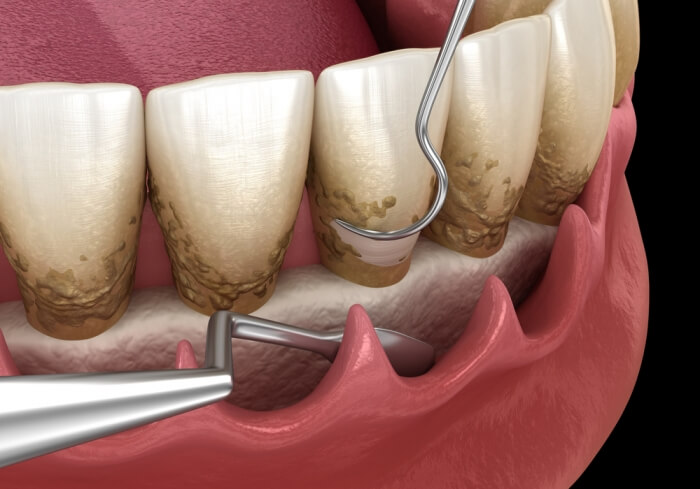
more manageable and prevents potential impacts on the success of dental implants.
**How to Minimize Metallic Odor and Discomfort Post-Dental Implants?**
1. **Follow Doctors Recommendations:** Avoid cleaning the wound using unconventional methods; particularly, refrain from forceful rinsing in the first 24 hours to prevent dislodging blood clots.
2. **Maintain Moderate Hygiene:** Gently rinse with dentist-recommended mouthwash or warm saline solution to reduce bacterial growth and unpleasant odors.
3. **Watch Your Diet:** Steer clear of hard, hot, or spicy foods, such as spicy dishes and alcoholic beverages, allowing ample time for gum recovery.
4. **Avoid Touching the Wound:** Keep hands and tongue away from the wound to promote faster healing and prevent infection.
5. **Ensure Adequate Rest:** Prioritize rest and sufficient sleep to boost the immune system, aiding the healing process.
**Mental Preparation and Self-Monitoring**
Before heading to mainland China for dental implants, understanding the surgical process and potential post-op reactions can prevent unnecessary worry over minor odors. Patience is essential; don’t expect the smell to disappear completely in just a day or two. Healing pace and reaction severity vary individually, with some people losing the smell completely in a couple of days, while others might take over a week.
The post-surgical metallic odor is part of the body’s self-recovery process to some extent, and if it’s not accompanied by severe pain or abnormal symptoms, there’s no need for undue anxiety. Nevertheless, trusting and promptly following up with your dentist’s advice is crucial for successful dental implant placement and oral health maintenance.
**Conclusion**
Opting for dental implants in mainland China has become a popular choice lately, but regardless of the location, experiencing a metallic odor post-surgery is possible, particularly in the first few days, which is typically normal. However, if the odor persists or worsens beyond a few days, or other discomforts arise, seeking dental help promptly is advisable. Maintaining good oral hygiene, adhering to instructions, and patiently waiting for the wound to heal are essential for a successful dental implant procedure and long-term dental health.
If you detect a metallic odor after your implants, remember to calmly assess the situation without panic or neglect, allowing you to confidently enjoy the self-assured smile your new teeth bring.
















