



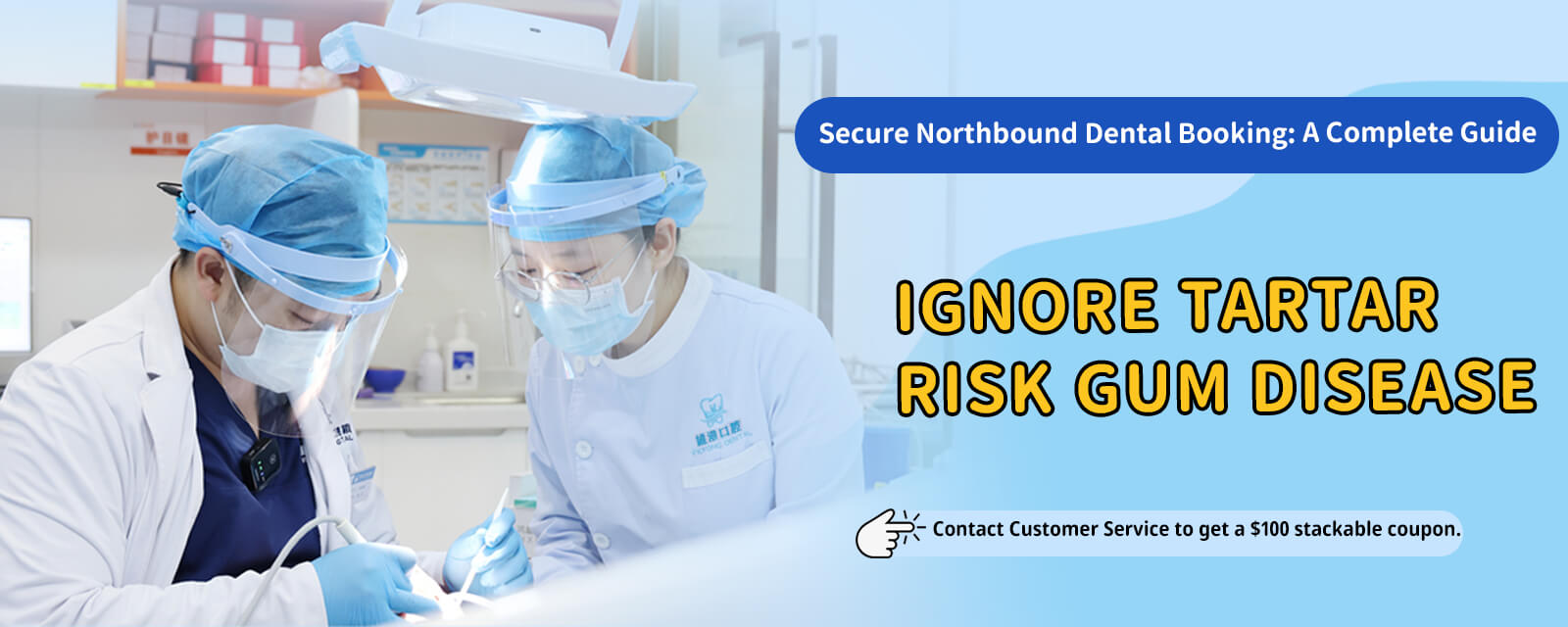
**Why You Should Avoid Eating Spicy Hot Pot After Dental Implants**
In recent years, many people have traveled north for medical procedures, including dental implants, due to the perception of comparable technology and equipment, as well as the opportunity for travel. However, post-operative care is crucial whether you undergo the procedure in Hong Kong or mainland China. Some folks believe that once the dentist has had a follow-up, and their gums no longer hurt, they can resume eating normally. Some even consider indulging in spicy hot pots just days after, thinking it might be a way to "replenish." However, eating spicy hot pots after dental implants is not advisable, for several reasons you should heed.
Firstly, spicy hot pots are typically very hot, loaded with chili peppers, Sichuan peppers, oils, and spices. These heated and stimulating foods can irritate your gums and the surgical site. After dental implant surgery, the gums and bone areas need time to recover and grow, and during this phase, the tissues are delicate. The hot and spicy broth can cause gum swelling, enhance blood circulation, and could even reopen healing wounds. For newly placed implants, this additional stress might affect their integration speed and efficacy.
Secondly, the capsaicin in chili peppers creates a strong burning sensation in the oral mucosa. Normally, you might just feel "spicy and stimulating," but for someone whos just had dental implants, this stimulation can make the wound ache, increase saliva production, and elevate bacterial activity in the mouth, thereby raising infection risks. Remember, post-operative infection isnt just painful; it can lead to the failure of the entire implant process.
Additionally, many hot pot ingredients are harder or tougher, like beef slices that harden if cooked slightly longer, squid pieces, dried tofu, and certain types of balls that require more chewing. In the early stages of dental implants, the implant hasnt fully fused with the bone, and exc

essive chewing can exert undue pressure on the implant, causing minor shifts that impact long-term stability. Even if you try to avoid using just a few teeth, you might inadvertently add stress near the surgical site, increasing risks.
Moreover, hot pot dining usually involves continuous eating and talking, laughing, or even consuming beer or soda while eating. Alcohol and sugary drinks can alter the pH balance in the mouth, reducing antibacterial effectiveness and impacting gum healing. For post-dental implant patients, maintaining clean and stable oral conditions is crucial.
For the first few weeks after dental implants, the best practice is to consume mild and easy-to-chew foods like warm porridge, steamed eggs, soft noodles, or finely chopped vegetables. Avoid foods that are too hot, spicy, hard, or acidic to allow adequate time for gum and bone recovery. Once the dentist confirms that the implants are securely bonded with the bone, you can gradually return to a normal diet, ensuring durability and functionality for the implants.
Not eating spicy hot pot doesn’t mean life loses its joy. You can opt for other low-stimulation dining experiences like a clear broth hot pot or a shabu-shabu with a mild soup base, fresh vegetables, and tender meat slices, satisfying your chewing pleasure without stressing your teeth and gums too much. If you truly crave spiciness, wait until youve fully recovered and enjoy it in moderation, but remember to chew slowly and don’t rush.
In summary, the principles for dental implants in mainland China and Hong Kong are the same; post-operative care is paramount. Spicy hot pots may be delicious but pose potential risks for those who have just undergone dental implant surgery. Exercising restraint and allowing time to recover before indulging is a responsible approach for both your teeth and overall long-term health. Remember, dental implants are not just a medical procedure but a long-term investment; protecting them means protecting your smile.
















