



**Understanding the Longevity of Dental Implants: Why Patients Ask How Long Will It Last?**
In recent years, many individuals have opted to travel north for dental treatments, particularly when it comes to dental implants. At first glance, this trend might seem driven purely by convenience and time-saving factors. However, once seated in the clinic and engaging in conversation, youll notice that many patients often inquire first, “Doctor, how many years will this implant last?” This question reflects their understanding, confidence, and psychological expectations concerning dental implants.
**Why Is Implant Longevity a Concern?**
Unlike fillings, dental implants involve a surgical process where an artificial tooth root is implanted into the jawbone. Because this involves materials and technology, durability becomes a major focus for potential patients. Many from Hong Kong seek dental services up north not just for qualified dentists and wider choices, but also to solve long-standing issues related to missing teeth. Naturally, if they are investing in a solution, they want it to last—avoiding the hassle of redoing it in a few years.
Furthermore, a plethora of online information either promises longevity of over a decade or warns of quick loosening. Such discrepancies naturally lead to doubts, prompting individuals to seek clear answers before committing.
**Factors Influencing Implant Longevity**
The lifespan of dental implants isnt solely determined by geographical choices like going north or staying local; rather, its influenced by several factors combined.
1. **Oral Health Status**
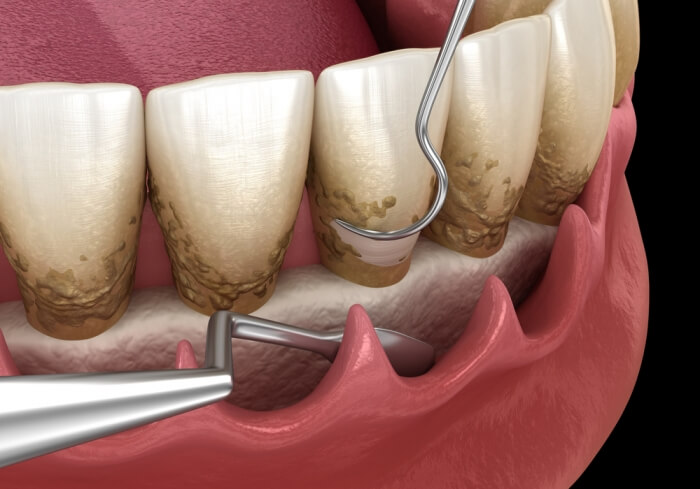
The quality of the jawbone and the presence of chronic inflammation in the gums can influence the fusion of the implant with the bone. Unresolved periodontal disease can lead to complications even if the surgery initially succeeds.
2. **Daily Care Habits**
Oral hygiene is crucial for both natural and implanted teeth. Neglecting to brush, floss, and regularly clean teeth can damage surrounding tissues, accumulate bacteria, and lead to inflammation around the implant, consequently shortening its lifespan.
3. **Lifestyle Habits**
Smoking, regular consumption of sugary drinks, and frequently eating hard foods can increase stress
on teeth, affecting the durability of the implant. Quitting smoking and controlling sugar intake benefit both natural teeth and implants.
4. **Doctors Skill and Design**
While cost is often not the sole concern, it is crucial to note that the dentist’s experience and chosen treatment plan can directly impact results. Factors such as preliminary bone grafting for thin jawbones, precise implant placement, and appropriate occlusion design are critical to success.
**The Importance of Psychological Safety and Communication**
When traveling north for dental implants, choosing a qualified medical institution is essential, but so is effective communication with the dentist. Patients wonder about the longevity of implants not just for a figure but for psychological reassurance—the assurance that their treatment is secure. If a dentist can clearly explain the factors influencing longevity and subsequent maintenance, patients will feel more assured even without an exact timeframe.
**Long-Term Perspective**
Dental implants are not a one-time solution; they require adaptation to ones lifestyle and care habits for long-lasting results. After finishing surgery up north, regular follow-ups, cleanings, and checks for occlusion discrepancies back in Hong Kong ensure durability. Just like natural teeth, neglecting care can lead to early issues with implants.
The longevity of implants can extend to ten, twenty years, or even longer, provided you are diligent in maintenance and attentive to details. Understanding that “how many years” isn’t just about a straightforward answer but closely tied to oral health management reveals that choosing a dentist, undergoing surgery, and following daily care practices are all pivotal chapters in this story.
**Conclusion**
Asking about the longevity of implants when traveling north is a natural behavior since everyone desires lasting returns on their investment. Implant life is influenced by many factors, including personal health, daily care, lifestyle habits, and the dentists expertise. With proper maintenance and regular check-ups, even without a guaranteed timeframe, implants can accompany you for a long stretch. Instead of chasing a numerical lifespan, focusing on how to extend it is the real key.
















