



**Why Does Your Breath Smell Strange After Dental Implant Surgery in Mainland China?**
In recent years, many people from Hong Kong have opted to undergo dental implant surgery in mainland China, mainly due to the variety of choices, cutting-edge equipment, and flexible scheduling. However, after returning to Hong Kong, some individuals notice a peculiar change in their breath, making them somewhat uncomfortable. So, what exactly causes this change in breath after getting dental implants?
**1. Changes in Oral Environment During Healing**
Post-surgery, the gums and bone need time to heal, rendering the oral environment more vulnerable. Furthermore, the presence of surgical wounds around the teeth can limit the usual brushing area and intensity, leading to the accumulation of food particles and plaque. The bacteria from these residues can break down and release odors, making your breath smell unusual.
**2. Inadequate Adjustment in Oral Hygiene Practices**
Following dental implant surgery, doctors often recommend using soft-bristled toothbrushes or water flossers for thorough cleaning. However, some people struggle to adapt to these new tools and fear causing pain to sensitive areas, resulting in insufficient cleaning. The gaps between the implants and natural teeth, if not properly attended to, can become a breeding ground for bacteria, leading to unpleasant odors.
**3. Reaction Between Denture Material and Oral Tissues**
Some individuals are sensitive to the materials used in dental crown implants. Although this sensitivity may not cause redness or swelling, there can be mild inflammation in the oral mucosa. This inflammatory response can foster bacterial accumulation, and coupled with reduced saliva production, can lead to an unpleasant breath.
**4. Impact of Surgery on Saliva Production**
Saliva acts as a natural cleanser for the mouth, washing away food debris and inhibiting bacterial growth. After dental implants, factors like stress or medication may temporarily reduce s
aliva production, resulting in a dry mouth prone to undesirable odors.
**5. Changes in Dietary Habits Post-Surgery**
In the initial postoperative period, many individuals prefer softer foods such as porridge, noodles, or soups. These foods tend to get stuck between teeth and have higher sugar or starch content, providing nutrients for bacterial growth. Without adequate cleaning, even though these foods may not have a strong odor themselves, they can cause bad breath as they break down.
**6. Pre-existing Periodontal Issues Not Fully Addressed**
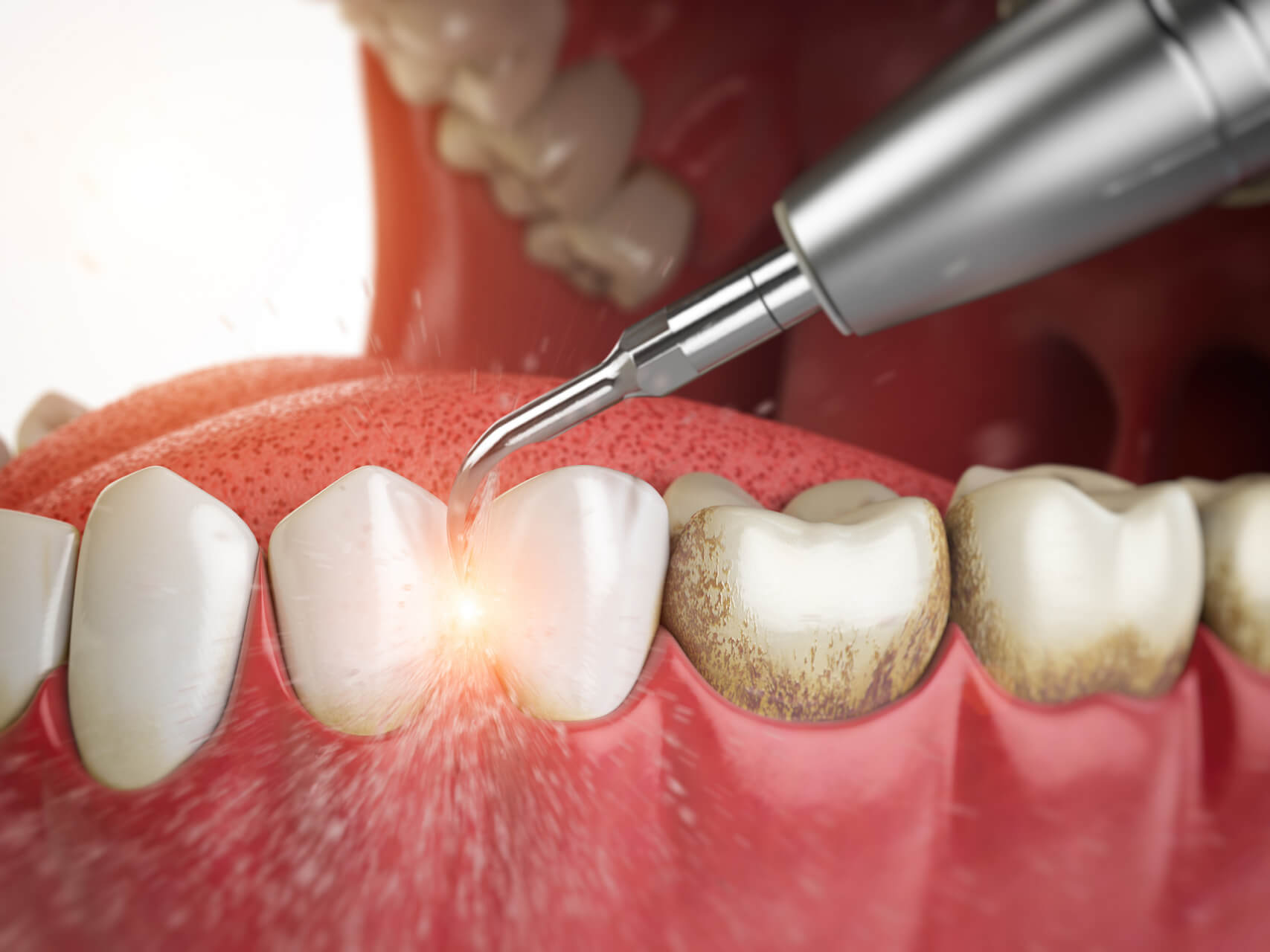
Some people already have periodontal disease or gum issues before implant surgery. Without proper treatment, dental implants alone may not fully improve oral health. Periodontal pockets and calculus can also be sources of odor. Overlooking oral health maintenance can counteract the benefits of new, shiny teeth, leaving the bad breath problem unresolved.
**How to Improve Strange Breath After Dental Implants?**
- **Maintain Good Oral Hygiene:** Brush at least twice daily and use dental floss or water flossers for thorough cleaning around the gaps and implant areas.
- **Regular Dental Check-Ups:** Even if you feel no discomfort, regular check-ups ensure the implants are in good condition.
- **Stay Hydrated:** Drinking plenty of water helps dilute oral bacteria and metabolic by-products, reducing odor.
- **Monitor Your Diet:** Avoid frequent consumption of sugary or sticky foods, which are nutrient sources for bacteria.
- **Focus on Periodontal Health:** Dental implants are not once and for all; periodontal support is equally vital.
In summary, experiencing strange breath after dental implants doesnt necessarily indicate a surgical issue. Often, its a natural reaction stemming from oral hygiene, diet, and the healing process. If odors persist or are accompanied by pain and swelling, seeking a dental check-up is advisable. Taking good care of both new and existing teeth can enhance your confidence in smiling and speaking without worry.
















