



**Should You Take Soft Chewable Vitamins After Getting Dental Implants in the North?**
In recent years, more and more Hong Kong residents have opted to undergo dental procedures in the North, with dental implants being a particularly popular choice. Post-implant surgery, many patients are concerned about speeding up their recovery process and often ask, "Will taking soft chewable vitamins help?" The answer isnt one-size-fits-all and depends on your individual circumstances and your dentists recommendations. However, we can explore when soft chewable vitamins might be beneficial and when they may not be necessary.
**Recovery Process After Dental Implants**
Dental implant surgery involves embedding an artificial tooth root into the jawbone, allowing it time to integrate with the bone. During this recovery period, the gums and oral tissues need time to heal. Initially, you may experience mild swelling or sensitivity in the mouth, with dentists generally advising a diet of soft and easy-to-chew foods to avoid disturbing the implants stability with hard or irritating substances.
**Reasons for Taking Soft Chewable Vitamins**
Some patients find normal chewing difficult post-implant, particularly when the surgical site hasnt fully healed, raising concerns about insufficient vitamin intake. Soft chewable vitamins require less effort to bite into and are often gentler in texture, making them a convenient option for those who have recently undergone dental implant surgery.
However, vitamins mainly supplement nutritional gaps in your diet. For example, vitamin C aids wound healing, while vitamin D and calcium support bone health. A balanced diet rich in fruits, vegetables, fish, and dairy can often provide adequate nutrition, negating the need for additional supplements.
**Factors to Consider When Selecting Soft Chewable Vitamins**
Firstly, examine the ingredients. Despite their chewy form, some soft vitamins can contain high sugar levels, which may not be beneficial for the teeth and gums.
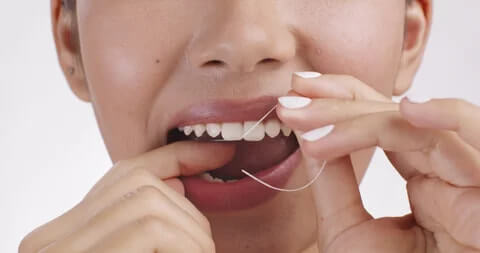
After dental implants, its best to avoid high-sugar foods to minimize the risk of bacterial growth and gum infections.
Secondly, be mindful of your oral health condition. An implant region may still be sensitive, and chewing—even if soft—might exert pressure on the surgical site, causing discomfort. Consult your dentist, and consider using the opposite side of your mouth to chew or opt for liquid/powder supplements as a safer alternative.
Thirdly, prioritize your dentist’s advice. Despite the convenience touted by soft chewable vitamin adverts, they are not suitable for everyone. Individual surgery scopes and recovery rates vary, and some situations require specific ingredient restrictions.
**Alternative Methods**
If you prefer not to take soft chewable vitamins, numerous methods exist to ensure nutritional intake. Pureed fruits like mashed bananas or avocados and well-cooked soft vegetables serve as excellent choices. Smoothies can be a quick way to consume various nutrients and fiber while being gentle on the surgical site.
Protein-rich fish and eggs are also excellent for aiding wound healing. Steaming or boiling them to maintain a soft texture makes them comfortable to eat during the initial recovery phase.
**Conclusion**
Whether to take soft chewable vitamins following dental implant surgery in the North largely depends on your oral health, dietary habits, and dental advice. If your diet is already balanced and you face no significant chewing issues, supplemental chewable vitamins may not be necessary. However, if dietary restrictions post-surgery limit your nutrient intake, consider soft chewable vitamins or other easy-to-consume alternatives.
Remember that maintaining oral cleanliness, following your dentists instructions, and avoiding irritative foods are crucial for implant recovery. While nutrition is a key component of healing, it is not the sole method. Identifying the approach that best suits your personal condition ensures a smooth and stress-free implant experience.
















