



**Why Dentists Pay Attention to Your Medication When Getting Dental Implants Up North**
In recent years, an increasing number of people have traveled north for dental procedures, especially dental implants. Improved equipment and techniques, convenient transportation, and abundant information have prompted many Hongkongers to give this option a try. But during your detailed examination at the clinic, you may wonder, "Why is the dentist so concerned about the medications I take regularly?" Exploring this topic reveals multiple safety and treatment effectiveness considerations.
**1. Medication History Impacting Surgical Safety**
Dental implants are not as simple as "placing" them in your mouth. They involve surgery, bone drilling, and the insertion of metal structures, making them a surgical form of dental treatment. Many medications, particularly anticoagulants, used to prevent strokes or recurring heart attacks, can increase surgery-related bleeding. If the dentist is unaware of your medication regimen, they wont be able to adjust the procedure or prepare for bleeding control measures, increasing your risk. Therefore, disclosing your medication history before dental implant surgery is a crucial step in ensuring your safety.
**2. Chronic Illness Medications Affecting Wound Healing**
Many Hongkongers have chronic conditions like diabetes, hypertension, or thyroid issues that require ongoing medication. Certain drugs can directly or indirectly impact blood vessel constriction, immune responses, or tissue regeneration rates, slowing the healing of gums and bones and potentially leading to infections. Knowledge of the medications you are on allows the dentist to adjust the timing of your dental implant procedure—for instance, by stabilizing your condition before scheduling surgery—to improve the success rate.
**3. Antibiotic Allergies and Drug Interactions**
Dental procedures often involve antibiotics to prevent infection. However, if you are taking certain medications like cardiovascular drugs, immunosuppressants, or diuretics, some antibiotics might "conflict" with them, causing side effects ranging from mild to severe, including liver or kidney damage. Additionally, some individuals may have allergic reactions to certain antibiotics. If these issues arent addressed beforehand, they could become problematic during or after treatment.
**4. Bone Health and Medication Effects**
Successful dental implants heavily rely on bone quality. Patients taking medications for osteoporosis or related to chemotherapy might experience reduced bone rebuilding capabilities. When informed
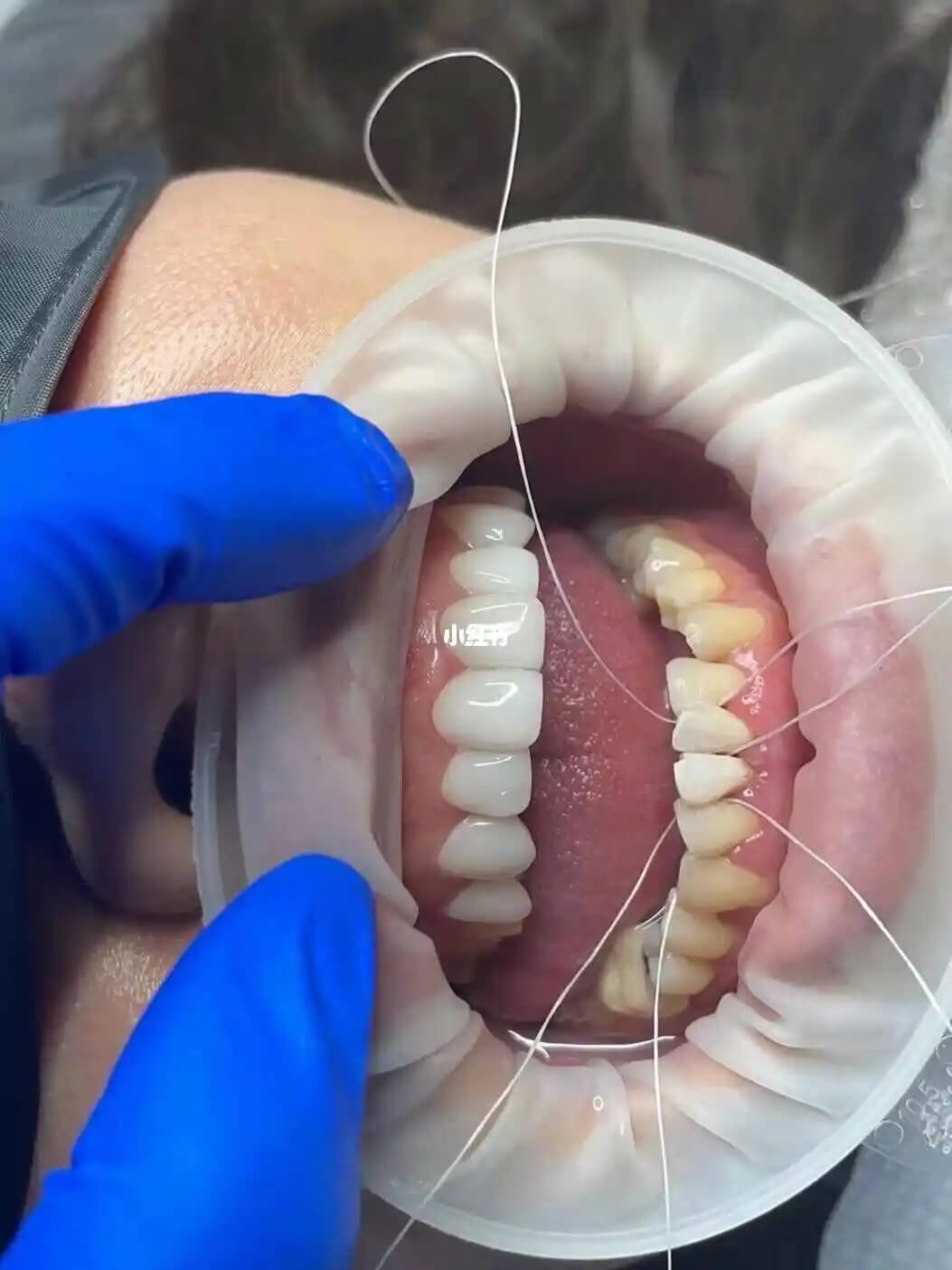
of such details, dentists can conduct bone density tests ahead of time and utilize different implant designs to enhance stability during surgery.
**5. Cross-regional Communication for Dental Implants Up North**
When Hongkongers seek dental care up north, there can be gaps in information exchange. Although both regions might speak Cantonese, differences in medical systems and medication names can cause misunderstandings. For instance, common drug brands in Hong Kong might have different names in mainland China. To ensure the safety of your surgery and recovery, dentists will ask questions and might require you to bring along medication bags or prescriptions. This helps them accurately understand the composition and make informed assessments.
**6. Preparing Medication Information for Your Dentist**
Before heading north for dental implants, prepare a comprehensive "medication list":
- Medication names (include both Hong Kong terminology and ingredient names)
- Dosage and timing
- Start date and purpose of use
- History of allergies or discomfort
Ideally, print the information for easy submission to the dentist. This prevents the need for on-the-spot research and ensures peace of mind during your visit.
**7. Share Your Medical History Honestly Without Worry**
Some individuals may fear that sharing too much could lead to surgery being denied or delayed. However, once informed, dentists can typically schedule the optimal timing and employ the safest techniques for your procedure. Concealing your medical history only increases your risk during surgery. Especially when undergoing cross-regional treatment, transparency is critical as dentists cant access your records through the Hong Kong medical system directly.
**8. Conclusion**
Traveling north for dental implants is becoming more common, but dont overlook surgical safety and recovery speed. A dentists focus on your medication is part of their professional responsibility, not an attempt to meddle. Remember, clearly communicating your medication history and medical condition can make the procedure smoother and reduce unforeseen complications, enhancing your overall implant experience and resulting in a more enduring smile.
Whether you undergo dental procedures in Hong Kong or opt for services up north, its essential to understand that mutual trust between doctors and patients forms the cornerstone of effective treatment. When you next consider dental implants, prepare your medication information and confidently share it with your dentist, allowing you to fully embrace the transformative impact of your new teeth.
















