



**Northern Dental Implants: When Are They Not Suitable? 2025 Latest Guidelines**
In recent years, many Hongkongers have considered traveling north to receive dental implants due to convenient transportation, diverse options, and increasingly sophisticated procedures. However, dental implants are not suitable for everyone. Ignoring your own health conditions or oral environment can affect the efficacy of the implants and may introduce risks. The latest 2025 guidelines clarify the conditions under which dental implants are not advisable, helping you make an informed decision.
**1. Insufficient Oral Health**
Dental implants require the insertion of an artificial root into the jawbone, which necessitates stable teeth and periodontal tissues. If you have severe periodontitis or untreated gingivitis, the implant is likely to fail post-surgery. In such cases, periodontal treatment should be prioritized to ensure a clean and healthy oral environment.
**2. Inadequate Jawbone Condition**
A lack of height or thickness in the jawbone means there isnt enough bone to support the implant, increasing the risk of failure. Long-term untreated tooth loss can lead to bone resorption, necessitating bone grafting or other techniques to improve the condition. A thorough examination using X-rays or CT scans by your doctor will ensure a considerate approach, rather than rushing into implantation blindly.
**3. Uncontrolled Systemic Diseases**
Patients with poorly controlled diabetes, severe cardiovascular diseases, immune system disorders, or blood diseases face higher risks during implant surgery. These conditions can lead to slow wound healing and increased infection risk. Communicating with your doctor to stabilize these conditions before considering dental implants is imperative.
**4. Smoking or Excessive Alcohol Consumption**
Smoking and alcohol can impair blood circulation in the gums and bone tissue, slowing down the healing process and reducing the success rate of implants. Some guidelines suggest quitting smoking and alcohol months before surgery, and maintaining control afterward to ensure long-term implant stability.
**5. Poor Oral Hygiene Habits**
Dental implants are not a one-time solution; daily cleaning is crucial. Poor brushing habits and irregular dental cleanings can lead to plaque
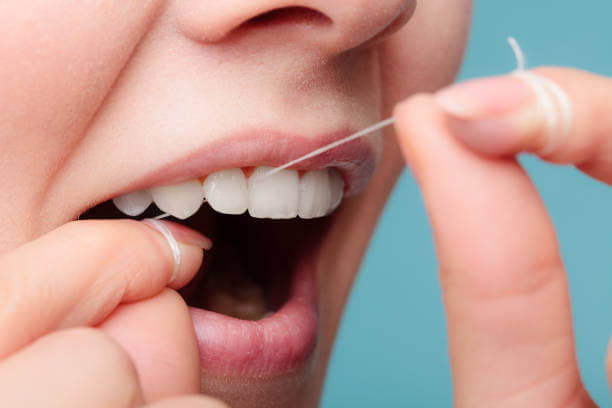
buildup and periodontal issues, shortening the lifespan of the implant. Dentists often evaluate a patients oral hygiene habits and recommend improvements for those ill-suited for implantation.
**6. Minors or Incomplete Skeletal Development**
Dental implants require a stable skeletal structure, related to the development of teenagers. The growth trajectory of minors can lead to displacement of the artificial root due to skeletal changes. Guidelines generally advise waiting until full skeletal maturity is achieved.
**7. Severe Malocclusion**
Uneven distribution of biting force, such as crowded teeth, severe overbite, or underbite, can strain the implant and lead to loosening. Corrective orthodontic treatments should be performed to improve occlusion before considering implants, ensuring stability and durability.
**8. Pregnant Women or Suspected Pregnancy**
Non-essential surgeries, including dental implants, are not recommended during pregnancy due to potential impacts from surgery and medications on maternal health. Its advised to wait until after childbirth and breastfeeding to proceed with implants.
**9. Psychological Readiness or Unrealistic Expectations**
Dental implant procedures involve surgery, recovery time, and regular follow-up care and maintenance. Expecting immediate functionality akin to natural teeth without accounting for post-surgical adaptation can lead to disappointment and affect cooperation during recovery. A thorough understanding of the entire process through professional evaluation is recommended before deciding if implants are suitable.
**Friendly Reminder**
Many prefer getting dental implants in the north, but regardless of location, it is essential to seek a qualified and experienced dentist for comprehensive examination and treatment planning. Remember, dental implantation is a comprehensive treatment that requires physical condition alignment and post-surgical care.
In summary, the latest 2025 guidelines highlight multiple factors that may render dental implants unsuitable, from oral environment and bone conditions to overall health and lifestyle habits. Prior to traveling north for treatment, its best to undergo thorough examinations in Hong Kong and carry your records for consultation to minimize risks and enhance treatment success and outcomes.
















