



**What Post-Treatment Behaviors Affect Dental Implant Stability?**
Recently, a growing number of Hong Kong residents have opted to travel north for dental treatments, with dental implants garnering particular attention. This process requires time and patience to complete, as its not merely about implanting the root; a lengthy recovery period follows. During this time, neglecting your lifestyle or dietary habits can easily compromise the stability of the implant, even leading to the failure of the entire procedure. Today, we’ll discuss in practical terms the behaviors that may destabilize dental implants post-treatment, ensuring you can smile confidently all the way through.
**1. Excessive Force on Hard Foods**
After getting a dental implant, the root needs to integrate with the jawbone, which takes several months. During the initial recovery period, biting down hard on foods like ice cubes, hard candies, peanuts, or tough bones can overstrain the implant, potentially causing loosening or affecting bone integration. These actions are risky; even if your dentist has given the green light for normal eating, transition gradually to harder foods to avoid rushing the process.
**2. Neglecting Oral Hygiene**
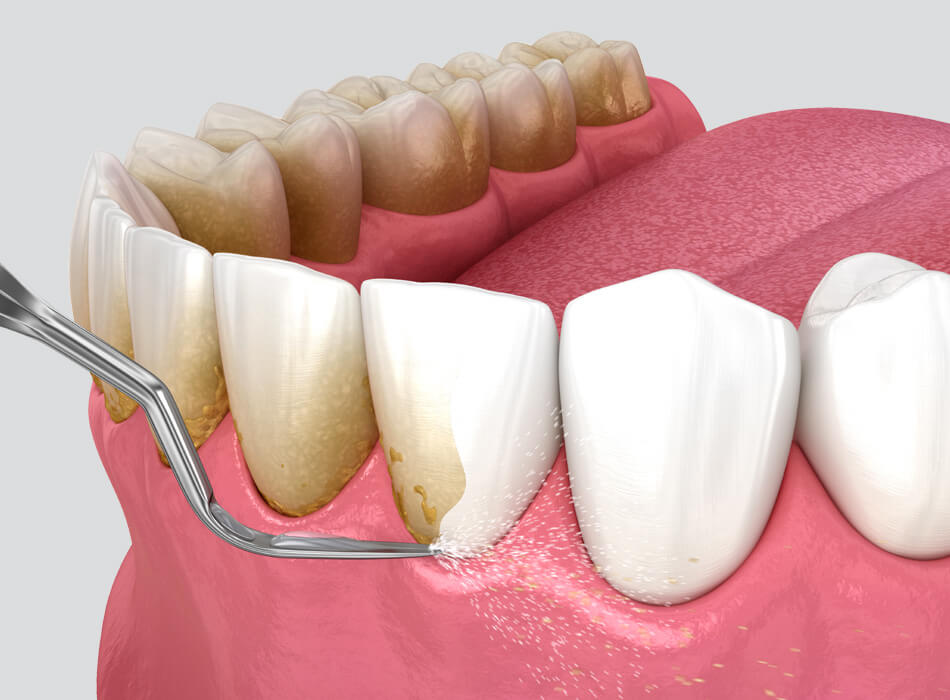
Many assume that implants are immune to cavities or periodontal disease because they arent natural teeth. However, poor oral health can cause gum recession, undermining implant stability. After getting dental implants up north, it’s essential to daily use floss or interdental brushes to remove food particles. Clean gently but thoroughly, and regularly use antiseptic mouthwash to maintain oral hygiene and reduce the risk of inflammation.
**3. Frequent Smoking and Drinking**
Nicotine in tobacco can impair blood circulation, affecting the healing of the gums and jawbone. Alcohol can dry out the mouth, promoting bacterial growth. Continuing these habits during recovery may slow down the implant integration or lead to inflammation. It’s advisable to abstain from smoking and drinking for the dentist-recommended period and reduce these habits afterward, benefiting both your teeth and
overall health.
**4. Skipping Regular Check-ups**
Some people neglect follow-up visits due to the distance after getting implants up north, or they assume everything is fine if there’s no discomfort. However, regular check-ups are crucial as dentists can assess the integration of the implant and address issues early on. Prolonged absence from check-ups can turn small problems into major issues, potentially requiring a redo of the procedure. If returning to the original clinic is inconvenient, find a reliable local dentist for follow-up care.
**5. Teeth Grinding or Clenching**
Some individuals unconsciously grind their teeth at night, exerting more pressure than during normal chewing. This habit can place sustained pressure on the implant, accelerating wear or causing it to loosen. If your dentist suggests a night guard, follow their advice to minimize damage risk.
**6. Unbalanced Diet**
Adequate nutrition is crucial for bone health, supporting the implant, especially calcium, vitamin D, and protein. Consuming fresh fruits and vegetables boosts immunity and reduces gum inflammation. Conversely, frequent consumption of sugary, fried, or overly spicy foods can worsen oral health and affect implant stability.
**7. Ignoring Overall Health**
Implants arent just an oral matter; overall health significantly influences success. Uncontrolled chronic conditions like diabetes or osteoporosis can slow jawbone healing. Post-treatment, regular physical exams are a must to maintain health, which is vital for the long-term stability of your implants.
**Conclusion**
Getting dental implants up north isn’t straightforward and requires selecting a reputable, experienced dental clinic and maintaining good post-operative habits. Avoid excessive force on hard foods, maintain oral hygiene, refrain from smoking and drinking, adhere to check-up schedules, address teeth grinding, maintain a balanced diet, and care for your overall health. These factors are crucial for implant stability. Remember, artificial teeth are durable but require diligent care to truly enjoy a confident smile over the long term.
















