



**How Many Dental Implants Should You Get at Once for Optimal Safety?**
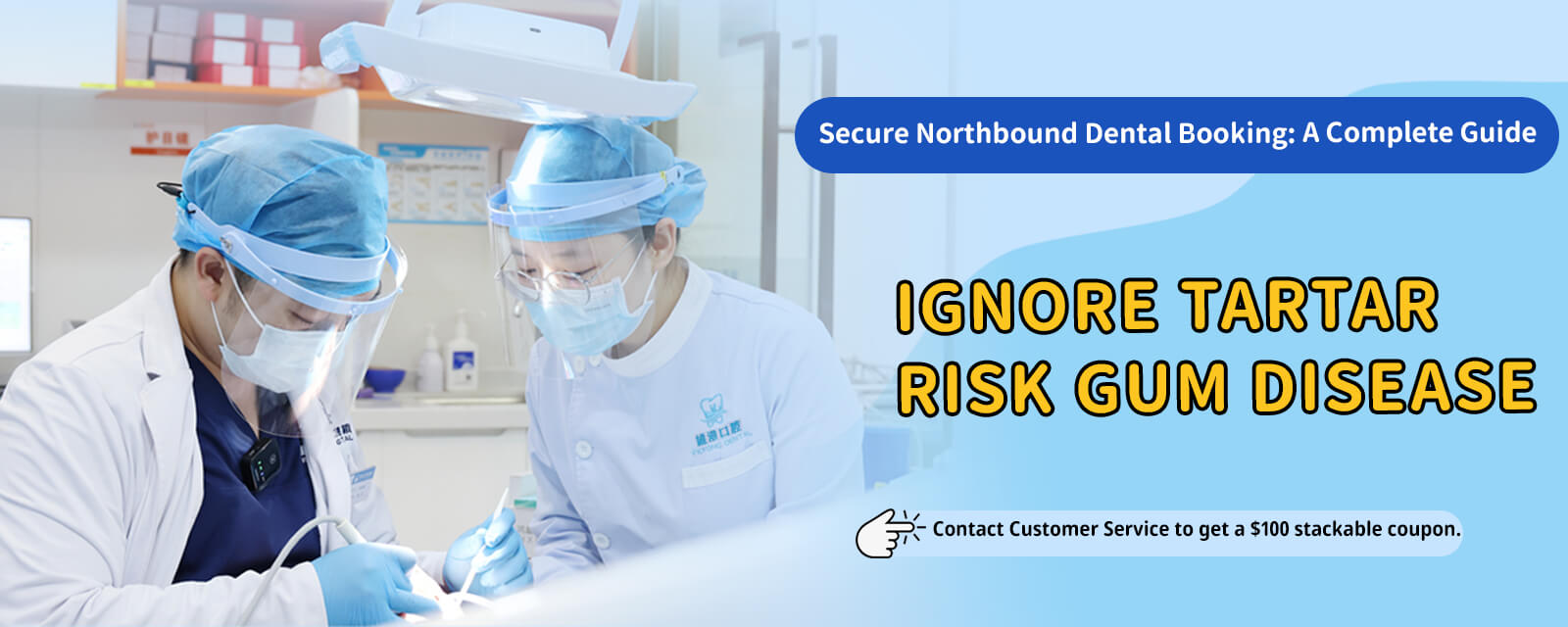
In recent years, an increasing number of Hong Kong residents have been heading north to receive dental treatments, particularly dental implants, due to the flexible scheduling and variety of options available. This is especially appealing to busy urban dwellers. However, a common question arises when seeking dental care across the border: How many implants should you ideally get at once to ensure safety? Many people are uncertain, worrying that getting too many implants in one go might affect recovery, while too few might result in multiple trips, wasting time and effort. Today, lets discuss choosing the safest dental implant strategy.
**Know Your Dental Condition First**
Whether youre in Hong Kong or traveling north, a comprehensive examination before undergoing dental implants is crucial. Everyones oral condition varies—some might be missing just one or two teeth, while others may need a full arch replacement. Factors like jawbone density, gum health, and oral hygiene habits all directly impact the success rate of dental implants. If your jawbone is not sturdy enough, bone grafting or other foundation treatments might be necessary; thus, the number of implants should be determined based on bone quality, not just a numerical figure.
**How Many Implants Should You Get at Once?**
Generally speaking, if you’re only missing one or two teeth and the adjacent teeth are healthy, getting them all done at once is usually not a problem, with relatively quick recovery and adaptation periods. However, if multiple teeth are missing, or if missing teeth are concentrated on one side, some dentists might recommend a phased approach. This allows the mouth to gradually adjust and recover. Although its technically possible to get many implants at once, the recovery period can be more challenging, requiring more patience in eating and speaking.
**Benefits of a Phased Approach**
The primary advantage of phased dental implants is the reduced surgical risk. The mouth is a complex environment, and getting too many implants at once places a considerable burden on the jawbone and gums. By addressing one section at a time, allowing it to stabilize before proceeding to the next, it’s like remodeling a home in stages, minimizing immediate impact. Additionally, phased treatment allows the dentist to monitor the inte
gration of each implant, making early adjustments if any particular site does not respond well, ensuring overall success.
**Scenarios for Getting All Implants at Once**
Certain situations do allow for all implants to be placed in one session, such as when the number of missing teeth is minimal, jawbone quality is excellent, there are no chronic oral infections, or the patients overall health is very stable. In these cases, completing the procedure in one go can save a considerable amount of time and reduce the need for follow-up visits. Psychologically, it also resolves the issue of missing teeth faster, allowing patients to enjoy a complete smile sooner.
**Post-Operative Care is Crucial**
Regardless of whether you opt for a single session or a phased approach, post-operative care is critical to success. In the initial days following implant surgery, maintaining oral hygiene is vital by following the dentists cleaning recommendations. Avoiding hard or overly hot foods gives time for the jawbone and gums to rest and recover adequately. Regular follow-up check-ups allow the dentist to examine implant integration, ensuring long-term stability.
**Points for Hongkongers Heading North**
While heading north for dental treatment is convenient, preparation is key. Choose a dentist with a good reputation and extensive experience, understanding the surgical process and follow-up arrangements. Ideally, plan your trips north to align with your recovery period, avoiding last-minute rushes which could affect treatment outcomes. Furthermore, ensure clear communication; make sure you comprehend the surgical details and care methods, and dont hesitate to ask questions.
**Conclusion**
There is no absolute answer to how many dental implants should be done at once for optimal safety when heading north. The decision hinges on your jawbone condition, missing teeth location, overall health, and lifestyle. If the jawbone quality is good and the number of missing teeth is small, completing the procedure at once might be feasible; if more complex, a phased approach is safer and more prudent. The key is thorough discussion with your dentist, deciding on a plan based on professional evaluation. This not only ensures a smooth procedure but also enhances long-term durability and comfort. After all, dental implants are not just for a beautiful smile but also to foster lasting oral health.
















