



### Do You Need to Take Time Off Work After Getting Dental Implants in Mainland China?
In recent years, many Hong Kong residents have opted to travel north for dental implants due to the convenient transportation, wide range of options, and satisfactory service quality available there. However, for those who are employed, whether or not to take time off work after getting dental implants becomes a pressing concern. This article will offer practical insights to help you evaluate if taking a leave is necessary after your procedure.
**Dental Implant Procedure and Post-Surgery Effects**
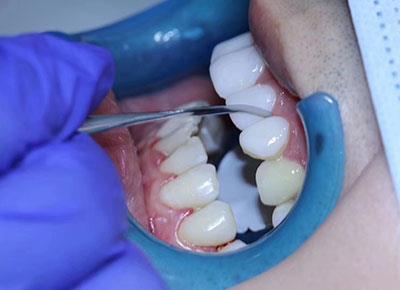
Dental implants involve a minor surgical procedure that requires inserting an implant into the jawbone. Although many clinics describe the process as minimally invasive, it still involves incisions and drilling, leading to inevitable physical reactions. Typically, post-surgery effects include localized swelling, mild discomfort, and potential bruising of the gums. These symptoms mostly subside within a few days, but are most pronounced during the first couple of days.
**Factors to Consider Before Returning to Work**
1. **Location of the Implant:** If the implant is for front teeth, it might affect speaking and facial expressions, causing psychological stress when facing colleagues. Conversely, implants for molars are less noticeable, resulting in lower psychological burden.
2. **Nature of Your Job:** If your role involves extensive speaking, meetings, or client interactions, such as in sales, teaching, or customer service, post-surgery swelling could hinder your work performance. However, for desk jobs, IT roles, or design work where speaking is minimal, the impact might be negligible.
3. **Personal Recovery Speed:** Individual recovery rates vary. Some people rebound quickly and feel fine within a day, while others may take several days to feel comfortable. This largely depends on age and overall health.
**Benefits of Taking Time Off**
The primary advantage of taking leave is allowing ample time for rest and adjustment. In the initial days post-surgery, the gums and surrounding tissues need time to reduce swelling, and resting facilitates faster healing. Additionally, some individuals might feel dizzy or fatigued after the procedure; taking leave helps prevent work-related errors due to lack of concentration.
Moreover, staying home enhances oral care. Going
to work might pose challenges in maintaining oral hygiene, such as rinsing or cleaning teeth, while at home, you can follow your dentists instructions to avoid hard or hot foods, reducing infection risks.
**Considerations for Not Taking Time Off**
Not everyone can afford to take time off liberally. If your schedule is packed and surgery is scheduled on a Saturday, returning to work on Monday might be feasible. Many dentists also prescribe painkillers and antibiotics pre-surgery to alleviate post-surgical symptoms.
Some individuals find comfort in routine and believe maintaining daily habits aids recovery, rather than idling at home. However, this approach depends on ones physical condition post-surgery—never push through discomfort.
**Tips for Scheduling Dental Implants and Returning to Work**
1. **Choose the Surgery Date Wisely:** Opt for surgery on a Friday or before a holiday to utilize the weekend for rest and reduce leave days.
2. **Communicate with Your Supervisor in Advance:** Inform your manager about the dental procedure ahead of time, so they are aware you might need leave or work adjustments.
3. **Adjust Work Tasks:** If full leave isnt possible, arrange for paperwork or low-intensity tasks to avoid excessive talking or social engagements.
4. **Post-Surgery Care:** Follow dental care instructions thoroughly, use mouthwash to maintain cleanliness, consume soft and moderately warm foods, and avoid chewing on the side with the implant.
5. **Heed Your Bodys Signals:** If experiencing severe pain or swelling, prioritize rest over work for optimal recovery.
**Conclusion**
Deciding whether to take leave after getting dental implants in mainland China varies based on your job type, physical condition, and implant location. For roles involving extensive communication or socializing, a recommended rest period of one to two days post-surgery is advisable. If your job is relatively less demanding and surgical reactions are minimal, consider returning to work sooner. Remember, dental implants are a health investment; do not skimp on rest and care, as proper recovery ensures implant stability and long-term durability.
Whichever decision you make, its best to plan ahead rather than wait till the last minute to consider leave, ensuring peace of mind when traveling north for dental procedures, without compromising health or work obligations.
















