



**Is It Normal for Gaps to Appear Between Teeth After Dental Implants in Mainland China?**
In recent years, an increasing number of Hong Kong residents have opted to travel to Mainland China for dental treatments such as implants, cleanings, and fillings, due to the convenience, wide range of options, and flexible scheduling available. However, some individuals have noticed larger gaps between their teeth after getting dental implants in Mainland China. This may result in more frequent instances of food getting stuck between teeth. So, is it normal for gaps to increase after getting dental implants? Lets explore the reasons behind this, potential outcomes, and maintenance tips in a practical and relatable way.
**Why Do Gaps Seem to Widen After Dental Implants?**
Dental implants involve inserting an artificial tooth root, typically made of titanium, into the jawbone, over which a prosthetic crown is placed to replace the missing tooth. During this process, dentists evaluate factors such as jawbone health and bite alignment. Once the implant procedure is completed, some individuals feel that the spacing between their teeth has slightly increased, possibly due to the following reasons:
1. **Minor Positional Adjustments**
The prosthetic crown must align with adjacent teeth but may not mirror their exact shape. Variations in the new tooths shape might cause slight changes in the spacing, which some may perceive as increased gaps.
2. **Changes in Gum Tissue**
Post-surgery, gums may take time to adjust and tighten. During recovery, minor gum recession or changes in shape can create the appearance of larger gaps.
3. **Original Dental Conditions**
If there were prior issues such as periodontal disease or gum recession, even with a new implant, surrounding teeth might shift, making gaps more noticeable.
4. **Cleaning and Dietary Habits**
Insufficient cleaning post-implant can affect gum health, potentially enlarging the spaces between teeth.
**Are Enlarged Gaps a Cause for Concern?**
Slight changes in gaps arent necessarily problematic. The main goal of dental implants is to restore normal bite and chewing function. If the gap size is within a reasona
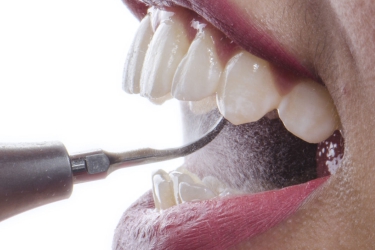
ble range and youre not experiencing discomfort or cleaning difficulties, its typically a normal response.
However, significant gaps that frequently trap food or create noticeable imbalance in the mouth warrant a dental check-up. Large gaps could indicate gum recession, unsuitable crown shape, or underlying periodontal issues. Early detection and intervention can prevent further deterioration.
**How to Maintain Healthy Gaps Between Teeth**
1. **Thorough Daily Cleaning**
Besides using a toothbrush, incorporate dental floss or interdental brushes to ensure no food residue remains between teeth, with particular care in implant areas to avoid damaging the gums.
2. **Regular Check-ups and Follow-ups**
Whether in Hong Kong or Mainland, schedule oral check-ups every six to twelve months to identify and address any changes in gap size early.
3. **Monitor Dietary Habits**
Avoid overly hard or sticky foods that can stress the gums and crowns. Incorporate fiber-rich fruits and vegetables to support gum health.
4. **Maintain Periodontal Health**
Similar to natural teeth, implants require healthy gums for support. Avoid smoking, as tobacco accelerates gum recession and bone loss.
**Stay Relaxed After Getting Dental Implants in the Mainland**
Many individuals notice slight changes in their dental spacing after returning from Mainland China for implant treatments, but theres typically no need for excessive worry. Its crucial to find an experienced dentist for follow-ups and maintain a diligent daily care routine. If you observe increasing gaps, gum pain, or tooth mobility, seek a dental evaluation immediately to prevent the issue from escalating.
**Summary**
Experiencing increased gaps after dental implants in the Mainland is generally normal, resulting from gum healing, minor tooth shape adjustments, or pre-existing periodontal conditions. By maintaining proper oral hygiene, getting regular check-ups, and adjusting lifestyle habits, most cases can be managed and improved. Remember, dental implants are more than just new teeth—they require ongoing care. Keeping both your teeth and gums healthy ensures that your new implants remain durable and comfortable.
















