



**Why You Should Avoid Bubble Tea After Dental Implants in China**
In recent years, many people have been traveling to China for dental treatments, particularly dental implants, owing to the advanced technology, varied options, and relatively flexible treatment schedules. However, post-implant care involves more than just being told by your doctor to "eat less hard food." Today, from a Hong Kong perspective, we explain why its advisable to avoid bubble tea after your procedure.
**Composition of Bubble Tea and Its Impact on Oral Health**
Bubble tea typically consists of three primary components: the milk tea base, sugar, and tapioca pearls. Consuming these high-sugar, high-starch items shortly after surgery can negatively affect oral health in several ways. Firstly, chewing tapioca pearls requires significant effort from your oral muscles, which can disrupt the healing of your still-settling gums and implant site. Secondly, sugary drinks promote bacterial growth, increasing the risk of infection in the gum tissue. Successful integration of your implant with the bone can take weeks or even months, and any infection could set the entire process back.
**Temperature and Gum Condition**
The temperature of beverages is another crucial factor. Bubble tea is often served hot or cold, and these temperature extremes can irritate surgical sites and gums. Immediately post-surgery, increased blood flow heightens sensitivity in the gums. Cold drinks can cause gum contraction, slowing the healing process, while hot drinks may lead to increased swelling and discomfort. Opting for room temperature or mildly warm foods and drinks is safer for recovery.
**Chewing Difficulty and Risks with Tapioca Pearls**
For many in Hong Kong, drinking bubble tea is a habit, but chewing on tapioca pearls demands direct pressure on the implant site. Unless sufficient bone integration has been achieved, the newly placed dental implant is still fragile. Chewing pearls c
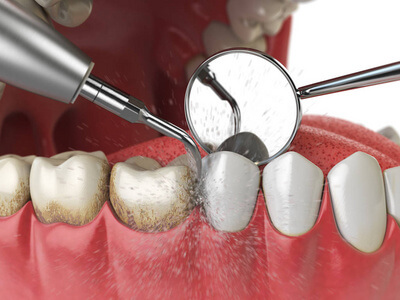
ould lead to dislodgement or micro-fractures. Additionally, tapioca pearls are sticky and can easily get lodged between teeth or gums. Inadequate cleaning post-surgery can result in bacterial accumulation and exacerbate inflammation.
**Sugar Content and Bacterial Growth**
Post-surgery oral hygiene becomes even more crucial, and doctors typically recommend gently rinsing with warm water while avoiding vigorous brushing at the surgical site. Bubble teas high sugar content can adhere to teeth and gums, feeding bacteria. Despite an absence of immediate pain, your gums could begin chronic inflammation, ultimately affecting the stability of the implant.
**Dietary Recommendations After Implants in China**
If youre getting implants in China and then returning to Hong Kong for recovery, remember to focus on a soft, bland diet in the first few weeks. Opt for items like congee, steamed eggs, tofu, or well-cooked vegetables. Drink options can include warm water, mild soy milk, or unsweetened herbal teas to minimize irritation to the gums and implant site. Also, avoid using straws, as the sucking action can alter oral pressure and potentially interfere with healing.
**Be Patient Before Indulging**
While bubble tea is a beloved favorite among Hong Kong residents, prioritizing post-surgery safety is paramount. Wait until your follow-up consultation confirms the stability of the implants and the absence of gum swelling before indulging, and even then, opt for less sugar and rinse your mouth afterward to minimize periodontal issues and cavities.
**Conclusion**
Refraining from bubble tea post-implant in China isnt solely about avoiding chewing on the pearls; its also about the effects of sugar, temperature, and sticky foods on your surgical sites. To ensure the longevity and stability of your dental implants, its vital to be patient with your cravings and prioritize oral care. Remember, a little patience can lead to a lifetime of healthy smiles.
















