



**How to Care for Dental Implants After Traveling North? Dentists Share Their Tips**
In recent years, many people from Hong Kong have opted to travel north for dental implants to improve their oral health while saving time and costs. However, the true work begins with daily care after the implant procedure is completed. Although dental implants are artificial, similar to natural teeth, they require meticulous cleaning and maintenance to ensure longevity and minimize unnecessary complications. Here, weve compiled several cleaning recommendations commonly advised by dentists, enabling you to confidently enjoy the happiness your "new teeth" bring.
**1. Brush Twice a Day with the Right Tools**
Dentists recommend cleaning dental implants in a manner similar to natural teeth, with brushing at least twice daily. However, it is advisable to choose a soft-bristled toothbrush to minimize the risk of scraping gums and the implant area. Apply gentle pressure while brushing and use circular motions to effectively remove plaque and bacteria while protecting the gums.
**2. Pay Attention to Interdental Cleaning**
Interdental spaces are often prone to accumulating food particles and bacteria. There may be tiny gaps between implants and natural teeth that, if left uncleaned, can lead to periodontal issues. Dentists suggest using dental floss or interdental brushes. Dental floss helps eliminate debris between teeth, while interdental brushes are effective for larger gaps, especially around implants, providing a more thorough clean.
**3. Use Mouthwash as an Aid**
In addition to brushing and cleaning between teeth, using alcohol-free antibacterial mouthwash can reduce oral bacteria and maintain fresh breath. Remember, mouthwash serves as a supplement and should not replace brushing and interdental cleaning.
**4. Be Mindful of Dietary Habits**
While dental implants are more stable than dentures, it is still essential to consider dietary habits. Dentists commonly advise avoiding consistently consuming excessively hard or sticky foods, such as hard candy or nougat
, which might pressure the implant area over time and affect the stability of the implants. Additionally, reducing sugary foods can decrease the accumulation rate of dental plaque, benefiting overall oral health.
**5. Schedule Regular Check-ups and Cleanings**
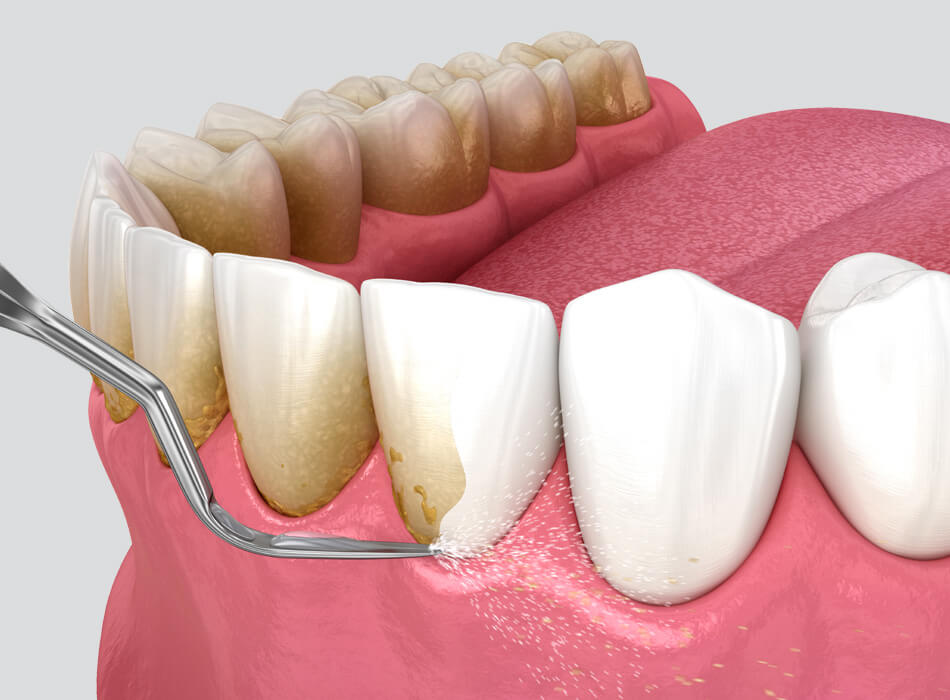
Many people mistakenly believe that dental implants are cavity-free and require less attention. Although artificial teeth do not decay, the surrounding gums and implant area can still be susceptible to inflammation, such as periodontitis. Dentists recommend regular professional check-ups and cleanings every six months to a year to detect problems early and prevent deterioration.
**6. Pay Special Attention in the Initial Post-Surgery Phase**
After returning to Hong Kong following implant surgery, the first few weeks are crucial to recovery, requiring special attention to cleaning methods and avoiding using implants to bite hard substances. Begin with gentle mouth rinsing before gradually returning to normal cleaning routines once the gums stabilize. Maintaining good hygiene habits helps promote healthy recovery of the implant area and gums.
**7. Be Alert to Oral Abnormalities**
If you notice persistent gum redness, bleeding, or unusual odors, promptly consult a dentist. Inflammation between implants and natural teeth, if ignored, can lead to loosening or even failure of the implants, resulting in more complex consequences. Monitoring oral health is a crucial part of maintaining dental implants.
**Conclusion**
Traveling north for dental implants is merely the first step; proper maintenance and cleaning significantly impact their longevity. Consistent daily brushing, interdental cleaning, mouthwash use, good dietary practices, and regular check-ups are essential for keeping dental implants healthy in the long term. Following dental advice and cultivating enduring oral care habits will ensure that your dental implants function optimally, enhancing your smiles natural confidence. Remember, teeth are lifelong companions—care for them well to truly enjoy the happy life that oral health brings.
















