



### How Long After Dental Implant Surgery Can You Have Stitches Removed?
In Hong Kong, many people opt for dental implants to improve oral health and enhance their smile, especially when teeth are missing or severely damaged. Despite the advanced technology in dental implants today, post-operative care remains crucial. A frequently asked question is, "When can I get my stitches removed after dental implant surgery?" The answer varies depending on individual circumstances and oral health, but there are general guidelines you can follow.
**Why Are Stitches Needed After Dental Implants?**
During dental implant surgery, an incision is made in the gum to insert the artificial tooth root into the bone, and stitches are used to close the gum. Stitches help stabilize the wound, reduce the risk of bacterial infection, and promote gum healing. Once the gum has sufficiently healed and no longer requires support from the stitches, they can be removed.
**Typical Timeframe for Stitches Removal**
Generally, stitches are removed about 7 to 14 days after dental implant surgery. However, this period is not set in stone due to several influencing factors, such as:
1. **Individual Oral Health Condition**
- If your gums are healthy and you have a strong immune system before surgery, you may heal faster. Conversely, if you suffer from chronic periodontal disease or have a weaker immune system, healing might take longer.
2. **Extent and Complexity of Surgery**
- If you have a single implant with a small wound, it will heal quickly. However, multiple implants or procedures involving bone grafting might require a longer recovery period, delaying the stitch removal.
3. **Post-operative Care Compliance**
- Your dentist will advise you to avoid chewing hard foods, maintain good oral hygiene, and use antiseptic mouthwash regularly. Proper compliance can prevent inflammation and lead to smoother stitch removal.
**What to Expect During Stitches Removal**
Removing stitches is a simple procedure that typically doesnt require anesthesia. Your dentist will gently cut the stitches with
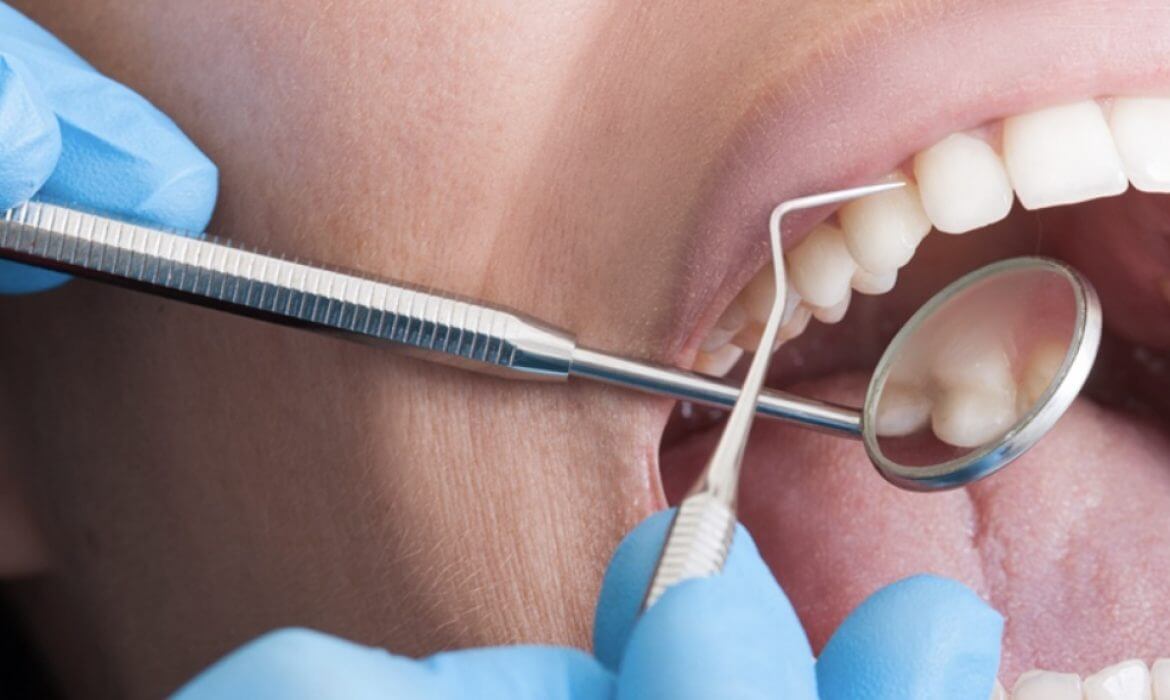
special tools and carefully extract them. Most people feel only a slight pulling sensation, without significant pain. After removal, the dentist will check the healing progress to ensure the wound is free from infection and the gums have closed well.
**Post-Removal Care Tips**
Many people assume that once stitches are removed, everything is back to normal. However, continued attention to oral hygiene and diet is essential:
- For the first day or two post-removal, avoid hard or overly spicy foods, such as spicy dishes or very hot soups, to prevent further gum irritation.
- Continue daily tooth brushing, but be gentle around the surgical site using a soft-bristled toothbrush to prevent plaque buildup.
- Regular dental check-ups, especially within the first few months of receiving the implant, are crucial to ensure the stability of the artificial root and normal chewing function.
**How to Speed Up Recovery**
To promote faster recovery, consider these lifestyle habits:
1. **Adequate Rest**
- Allow your body time to heal by getting enough sleep and reducing stress, which can aid in faster recovery.
2. **Balanced Diet**
- Eat foods high in protein and vitamin C, such as fish, soy products, and fruits, to help tissue regeneration and infection resistance.
3. **Avoid Smoking**
- Tobacco impairs blood circulation in the gums and bone healing. Its best to quit smoking or at least abstain during the period advised by your dentist.
**Conclusion**
The timeframe for stitch removal after dental implant surgery isnt fixed and generally falls between 7 to 14 days, but the actual schedule depends on your personal condition and dental evaluation. Following your dentists aftercare instructions diligently, maintaining oral hygiene, and avoiding harmful habits are critical to ensuring smooth healing and a stable implant.
If youre planning or have just undergone dental implant surgery, remember to attend regular follow-up appointments and refrain from self-removal of stitches. Your oral health and the success of the implant are gradually built through attentive care.
















