



## Why Do Dentists Always Emphasize Good Oral Hygiene After Getting Dental Implants in Mainland China?
In recent years, more and more residents of Hong Kong are heading to mainland China for dental treatments, including dental implants. The reasons are clear: a wider range of choices, advanced techniques, and comprehensive services. However, one common feedback from those returning with new dental implants is the dentists persistent advice to maintain excellent oral hygiene—every single day. So, why is this so important? How closely linked are dental hygiene and dental implants? Lets break it down in a straightforward way.
### Dental Implants Are More Than Just "Putting a Tooth In"
Many people mistakenly believe that getting a dental implant is simply about placing an artificial tooth into the gums. In reality, the procedure involves numerous details. Initially, a dental implant is placed into the jawbone, allowing it to fuse over time before the crown is attached. This process can sometimes take several months. During the fusion period and afterward, an unclean oral environment can lead to bacteria accumulating around the implant and gums, negatively impacting the bond between the implant and the bone, possibly causing inflammation.
### Poor Hygiene Can Lead to Periodontal Issues
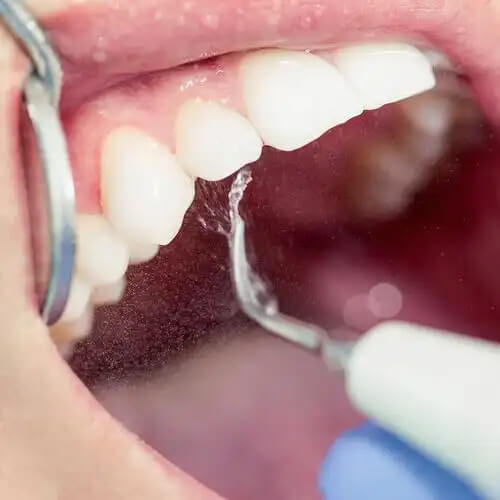
Both Hong Kong and mainland China dentists prioritize periodontal health, because the onset of gum disease can loosen natural teeth—let alone artificial ones. If bacteria infect the gums and jawbone surrounding a dental implant, it can result in the loss of dental support tissues, leading to implant failure. Don’t assume artificial teeth are immune to decay; while the crown material does not decay, the gums and nearby natural teeth are susceptible to bacterial infections.
### Why Dentists Emphasize "Daily" Reminders?
Patients often become complacent post-procedure, thinking the hard part is over. Dentists repeatedly emphasize hygiene to help patients develop lifelong, beneficial habits. Unlike regular fillings, dental implants are durable components integrated with the b
ody; well-maintained, they can last many years, even indistinguishable from real teeth. Poor maintenance, however, might invite issues within a few years, necessitating corrective treatments.
### Key Steps for Effective Cleaning
1. **Brush Twice Daily**: Brush morning and night, especially near the implants, thoroughly but gently to avoid damaging the gums.
2. **Incorporate Floss or Interdental Brushes**: Areas around dental implants are prone to plaque buildup, which flossing or using interdental brushes can help eliminate from hard-to-reach spots.
3. **Rinse Regularly**: Frequent use of oral antiseptics isn’t necessary, but rinsing with water after meals can reduce food residue.
4. **Regular Check-ups**: Dentists can assess the condition of implants and gums, addressing minor issues early.
### Lifestyle Considerations After Getting Dental Implants in Mainland China
Once back in Hong Kong post-procedure, mindful lifestyle habits are crucial. Avoid consuming hard or sticky foods excessively to minimize pressure on implants. Quitting smoking and reducing sugary drinks can also support gum health. Many dentists recommend learning proper brushing techniques early on; if unsure, consult a dental hygienist once you are back in Hong Kong for guidance.
### Psychological Preparation and Continuous Effort
Caring for dental implants is similar to caring for natural teeth, but with one key difference: if problems occur with implants, repair complexity and costs are significantly higher. Therefore, getting dental implants is not just a one-time procedure but rather a long-term maintenance project spanning decades. Dentists emphasize cleaning to remind you that investing in your dental health requires time and effort for optimal success.
In conclusion, opting for dental implants in mainland China is an excellent choice, but it’s not the end of the journey. Daily oral hygiene routines are crucial to ensuring the long-term stability of implants. Heed the dentists advice, maintain excellent hygiene, and your dental implants can keep you smiling for years to come.
















