



**What Pre-Implant Checks Are Required Before Traveling North for Dental Implants?**
In recent years, a growing number of Hongkongers have opted to travel north to China for dental implants. The reasons are not just the attractive prices but also the improvement in dental equipment and technology in mainland China. However, getting a dental implant isnt as simple as sitting down for an immediate procedure. Preliminary examinations are a crucial step that allow both you and your dentist to understand the oral conditions, minimize surgical risks, and ensure the effectiveness and longevity of the implant. So, what exactly needs to be done before heading north for dental implants? Lets break it down today.
**1. Comprehensive Oral Examination**
The first step involves a comprehensive oral examination conducted by your dentist. This isnt just about identifying missing teeth; it also involves assessing the health of other teeth, checking for cavities, periodontal disease, gum redness, or bleeding. If there are existing inflammations or infections in the mouth, the dentist will usually advise treating these issues before considering the implant surgery, as a healthy oral environment is crucial for implant stability.
**2. Periodontal Status Evaluation**
Periodontal health is a key factor in the success of dental implants. The dentist might use a probe to measure the distance between the gums and the bone, evaluate the depth of periodontal pockets, and check for gum recession or looseness. Unhealthy periodontal tissues can compromise the long-term success of the implant due to insufficient support.
**3. X-ray or CBCT Imaging**
Visual inspection alone cant reveal the condition of the jawbone, so your dentist will likely arrange for panoramic X-rays or 3D CBCT imaging. These tests provide detailed views of bone density, height, and thickness, and show the position of nerves and sinuses to ensure that the surgical plan avoids essential structures. If there is insufficient bone mass, your dentist may suggest a bone graft or other augmentation procedures to stabilize the implant.
**4. Bite Analysis**
A dental implant is more than just filling in a missing tooth; it must also integrate harmoniously with your existing bite. The dentist will analyze the contact points between upper and lower teeth to identify any misalignment or uneven pressure distribution. An imbalanced bite can affect the longevity of the implant, so adjustments are considered in the treatment plan.
**5. General Health Assessment**
Although dental implant surgery is relatively minor, it is still invasive. Therefore, the dentist will inquire about chronic health conditions like diabetes, heart disease, or osteoporosis, and any long-term medications you may be taking. These health records help the dentist determine your suitability for surgery and identify areas needing special attention during the procedure.
**6. Oral Hygiene Habits Review**
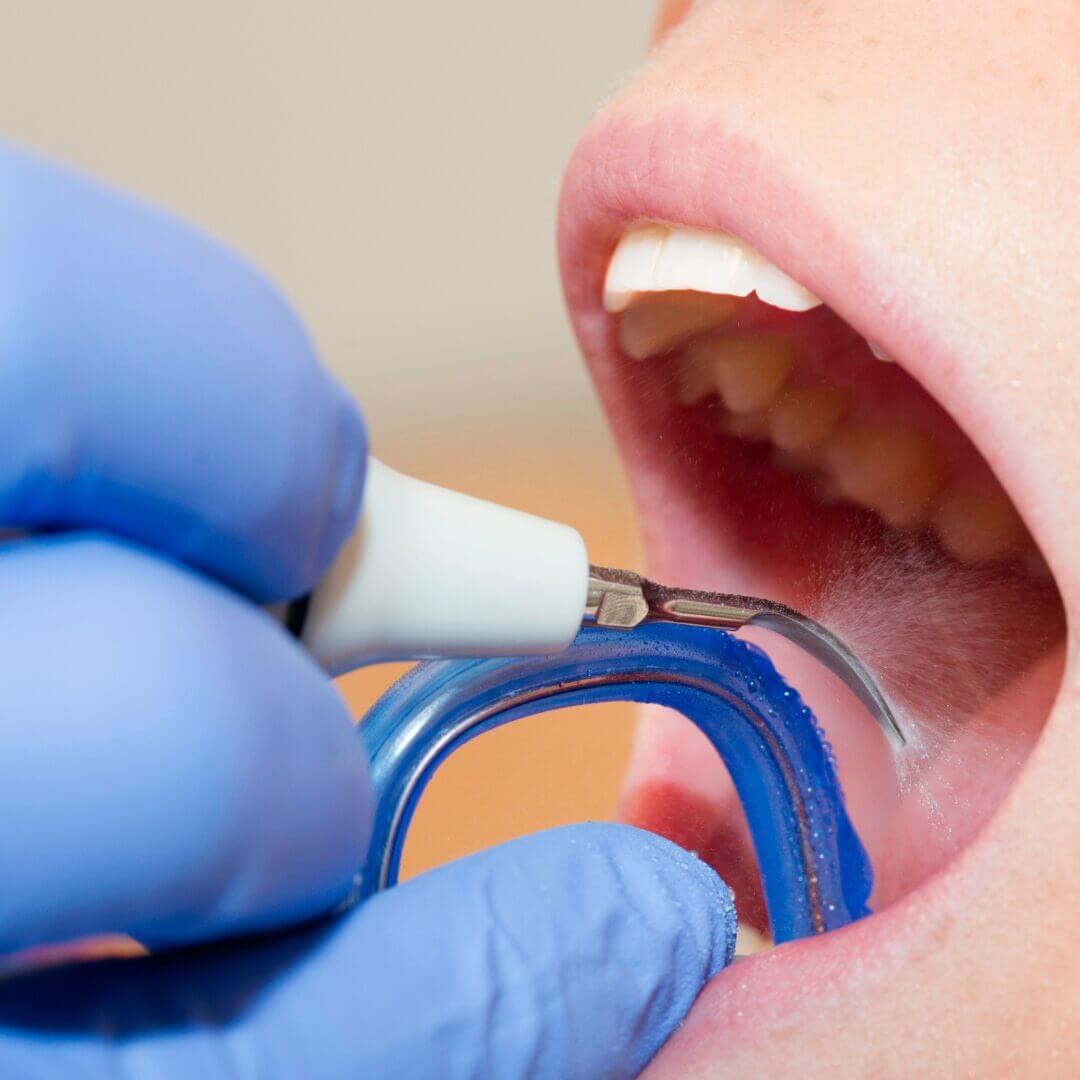
Some people do not brush thoroughly or skip flossing, leading to plaque and tartar buildup. Your dentist will discuss your current oral hygiene habits, as post-implant care requires extra attention to mouth cleanliness to prevent peri-implantitis. If necessary, the dentist might suggest a scaling or deep cleaning session beforehand.
**7. Surgical Plan Discussion**
After completing all the checks, the dentist will explain the surgical plan, including the number and location of implants, surgical steps, recovery time, and expected results. This is your opportunity to ask questions, such as about alternative options, post-operative care, and the timeline for normal use of the artificial tooth. This communication step is vital for preparing you mentally and ensuring understanding of risks and cooperation processes.
**8. Appointment and Scheduling**
Arranging dental implants typically requires pre-booking the surgery date, along with coordinating exams, modeling, surgery, follow-up visits, and crown installation. Since the artificial implant needs to integrate with the jawbone, it might take several months before the crown installation, so it’s best to plan ahead and avoid scheduling conflicts with work or personal commitments.
**Tips for Preparation Before Travel to Mainland China**
When visiting China for dental care, remember to bring all previous dental records and X-rays. Preparing your medical history in advance allows the dentist to quickly understand your case. Its also wise to allow extra time for travel and return arrangements, especially in the initial days post-surgery, to ensure sufficient rest without a busy itinerary.
In summary, pre-implant checks when traveling north are not mere formalities but the groundwork for successful surgery and long-term outcomes. Through comprehensive examinations and thorough communication, you can gain a better understanding of your oral condition, enabling the dentist to customize the most suitable plan for you. Dental implants are an investment, and thorough preparatory work can significantly enhance future satisfaction with their use.
















