



**Can You Have a Consultation Before Getting Dental Implants in Mainland China?**
In recent years, more Hong Kong residents have become attentive to their dental health. As they age or experience dental issues, many consider dental implants. While local dental clinics provide options, a growing number of people are exploring dental services in places like Shenzhen and Guangzhou in Mainland China. Theres a belief that traveling north offers more choices and convenience, but the common question is: "Can I consult before getting dental implants in Mainland China?" The answer is not only yes, but its also highly crucial.
**The Importance of Consultation**
Dental implants arent minor procedures. The approach depends on your dental condition, jawbone health, oral hygiene habits, and overall health. Whether you plan to have the procedure done in Hong Kong or Mainland China, a pre-procedure consultation helps you understand your condition and minimize risks. Often, detailed examinations and X-rays can reveal underlying issues like periodontal disease or bone loss, which you might not notice in daily life. Skipping this step might lead to unsatisfactory results from the implant procedure.
**Advantages of Consulting in Hong Kong Before Heading North**
Firstly, communication and understanding can be easier. Dentists in Hong Kong will likely use familiar language and expressions to explain your condition and treatment options, ensuring you fully grasp the risks and essential precautions. Secondly, you can bring your examination reports and X-rays to Mainland China, saving time on checks and facilitating discussions on specific treatment steps. Thirdly, if you find youre suitable for implants through a consultation in Hong, even if you ultimately choose not to travel, you can conveniently arrange for follow-up treatment locally.
**Consultation Services at Mainland Dental Clinics**
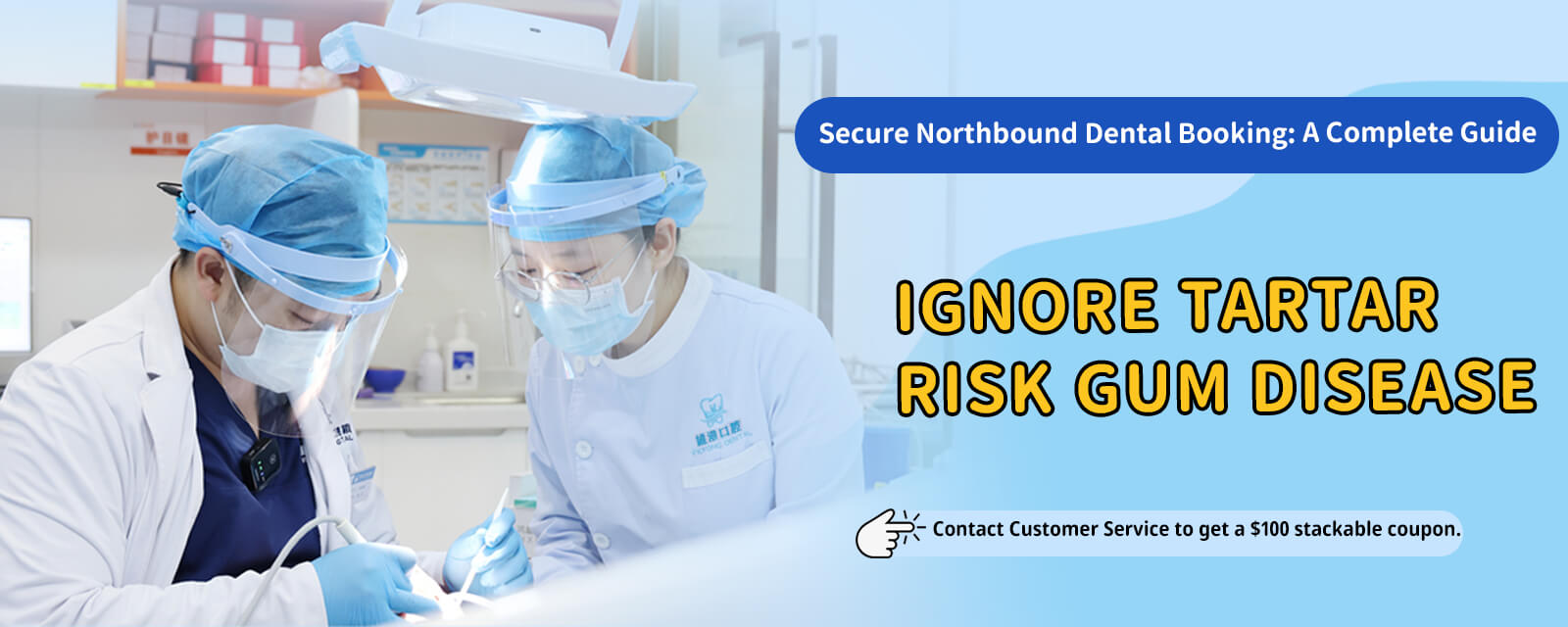
If youre not in a rush to decide, you may directly schedule a comprehensive consultation at a Mainland dental clinic. Many large dental centers offer initial consultation services to review your medical history, capture oral images, and some even use 3D imaging to simulate post-implant outcomes. These consultations can provide

a clearer understanding of the overall process, surgery duration, recovery plan, and key considerations. However, remember that new environments may involve different medical cultures, terminologies, equipment, and procedures. Being mentally prepared is advisable.
**Key Questions to Ask During Consultations**
Regardless of where you consult, remember these crucial questions:
1. Are my teeth and jawbone suitable for dental implants?
2. What is the general procedure and how long will it take?
3. What are the risks of the surgery and how should I care post-operation?
4. If complications arise, how will follow-up care be managed?
5. Is there brand information and related details about the implants?
By asking these questions, youll be better equipped with information to make informed decisions and avoid making hasty choices.
**Pre-Consultation Helps Plan Your Trip**
If youre planning a trip to Mainland China for dental surgery, consultations can also assist in organizing your itinerary and timing. Some dental implant procedures require multiple follow-up visits. Understanding this in advance allows you to plan your travel, accommodation, and leisure time, reducing potential stress.
**Consultations Can Alleviate Mental Stress**
Medical procedures in unfamiliar settings often cause anxiety. Think of consultations as a "warm-up" process, helping you become familiar with the scenario and mentally ready. Knowing what procedures and risks to expect can significantly ease your anxiety, making the actual surgery less daunting.
**Conclusion**
Engaging in one or more detailed pre-consultations before heading north for dental implants is highly beneficial. You might choose to understand your suitability while in Hong Kong, before moving to more in-depth discussions with Mainland dentists, or you can opt for an initial check-up directly in the Mainland. The key is to gather enough information to assess if the surgery suits you and plan for subsequent care and follow-up. With thorough preparation, regardless of where you undergo the procedure, the experience will be much more reassuring. After all, your teeth are a lifelong asset, not to be decided upon hastily—diligent consultations are always a wise choice.
















