



**Why Do Some Dentists Recommend Temporary Teeth for Dental Implants in Mainland China?**
In recent years, many Hong Kong residents have opted to travel north to Mainland China for dental implants due to convenient transportation options, a wider array of choices, and perceived quality in service and technology. During the entire dental implant procedure, you might hear a dentist suggest the temporary installation of "temporary teeth" before fitting permanent crowns after some time. Why do some dentists make this recommendation?
**What are Temporary Teeth?**
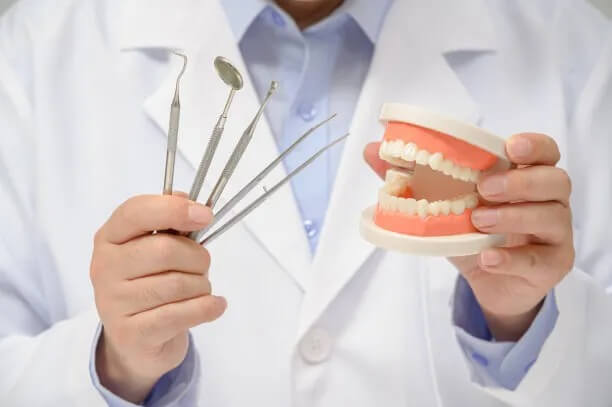
Temporary teeth are generally made from lighter materials and designed for transitional purposes rather than long-term use. They are placed on the implant to mimic the appearance and basic functions of real teeth, allowing you to eat, speak, and smile without noticeable gaps. Although they can look quite realistic, they lack the strength and durability of permanent crowns.
**Reason 1: Stabilizing Gums and Jawbone**
Permanent crowns cannot be used immediately after implant placement because the implant needs to "fuse" with the alveolar bone—a process known as osseointegration—which can take several months to half a year, depending on your oral health. Applying a permanent crown too soon can disrupt this process due to excessive biting forces, potentially causing implant loosening. Temporary teeth are lighter and easier to adjust, reducing occlusal pressure, protecting the implant, and aiding gum and bone stabilization.
**Reason 2: Fine-Tuning Bite and Appearance**
Each person has unique biting habits and dental formations. After temporary teeth are installed, the dentist can observe your eating and speaking habits to determine if there’s a need to adjust the height, thickness, or shape. This ensures the permanent crown is crafted for a more precise and comfortable fit based on actual data, minimizing the need for adjustments post-installation.
**Reason 3: Aesthetic and Social Needs**
For many, missing teeth can affect confidence, especially in the front row. Tempo
rary teeth can immediately improve appearance, making you feel less self-conscious in social situations while maintaining normal speech and reducing discomfort caused by gaps.
**Reason 4: Easy Transitional Care**
Before fitting permanent crowns, dentists often observe the health condition of the gums around the implant. Temporary teeth can be easily removed for cleaning or examination when necessary, allowing for more flexible care. If permanent crowns are installed from the start, flexibility in examination and care may be compromised.
**Reason 5: Handling Specific Treatment Plans**
Sometimes dental implants involve more than just one single tooth, requiring handling multiple locations simultaneously. In these cases, temporary teeth allow the dentist to observe the integration of multiple implants at once and make decisions regarding the shape and compatibility of permanent crowns based on overall effectiveness.
**Care Tips During the Temporary Teeth Phase**
While temporary teeth allow for normal eating and speaking, its best to avoid overly hard or sticky foods to minimize damage. Maintaining good oral hygiene is crucial, as food residues can accumulate at the contact points between temporary teeth and gums. Regular dental check-ups and cleanings are important.
**Conclusion**
Dental implant procedures in Mainland China are largely similar to those in Hong Kong, with professional dentists designing steps based on your oral health, implant stabilization, and aesthetic needs. Recommendations for temporary teeth are not about delaying procedures but ensuring long-term effectiveness and comfort. Though the transitional period requires patience, it leads to stable, natural, and durable permanent teeth, making it worthwhile.
If you are considering dental implants in Mainland China, ensure clear communication with your dentist regarding all procedures and expectations. This alignment will facilitate a smoother experience. Temporary teeth are just a part of the journey, yet often a crucial step towards successful outcomes.
















