



**Northbound Dental Implants: Why Post-Op Visits Matter Even When Theres No Pain**
In recent years, many Hong Kong residents have chosen to get dental implants done across the border, each with varied motivations. Some seek reputable dentists, while others view it as an opportunity for a brief getaway in a new environment. However, upon returning to Hong Kong after the procedure, you might find yourself surprisingly comfortable and functioning normally, leading you to wonder, "Do I really need to go back for a follow-up?" The truth is, absence of pain doesn’t equate to skipping follow-up appointments, as they are crucial to your overall treatment plan.
**1. No Pain Doesn’t Mean No Issues**
Dental implant surgery typically involves local anesthesia, and with advancements in technology, many patients experience little to no noticeable pain afterward. However, dental implants are not merely about screwing in a fixture; they involve the condition of the jawbone and gums. Initial absence of pain likely means there’s no immediate infection or adverse reaction, but without follow-up appointments, the dentist misses the opportunity to assess the integration of the implant with the bone, potentially overlooking early issues.
**2. Monitoring Osseointegration Progress**
The success of a dental implant largely hinges on "osseointegration," or the stable bonding between the implant and jawbone. This process can take weeks or even months, during which the dentist uses specialized tools and clinical expertise to determine the stability of the integration. Skipping follow-ups because of a lack of pain or normal chewing function might mean missing the optimal time for evaluation. Early intervention can sometimes salvage inadequate integration; otherwise, later on, removal and redo become more complicated and riskier.
**3. Ensuring Gum Health and Hygiene**
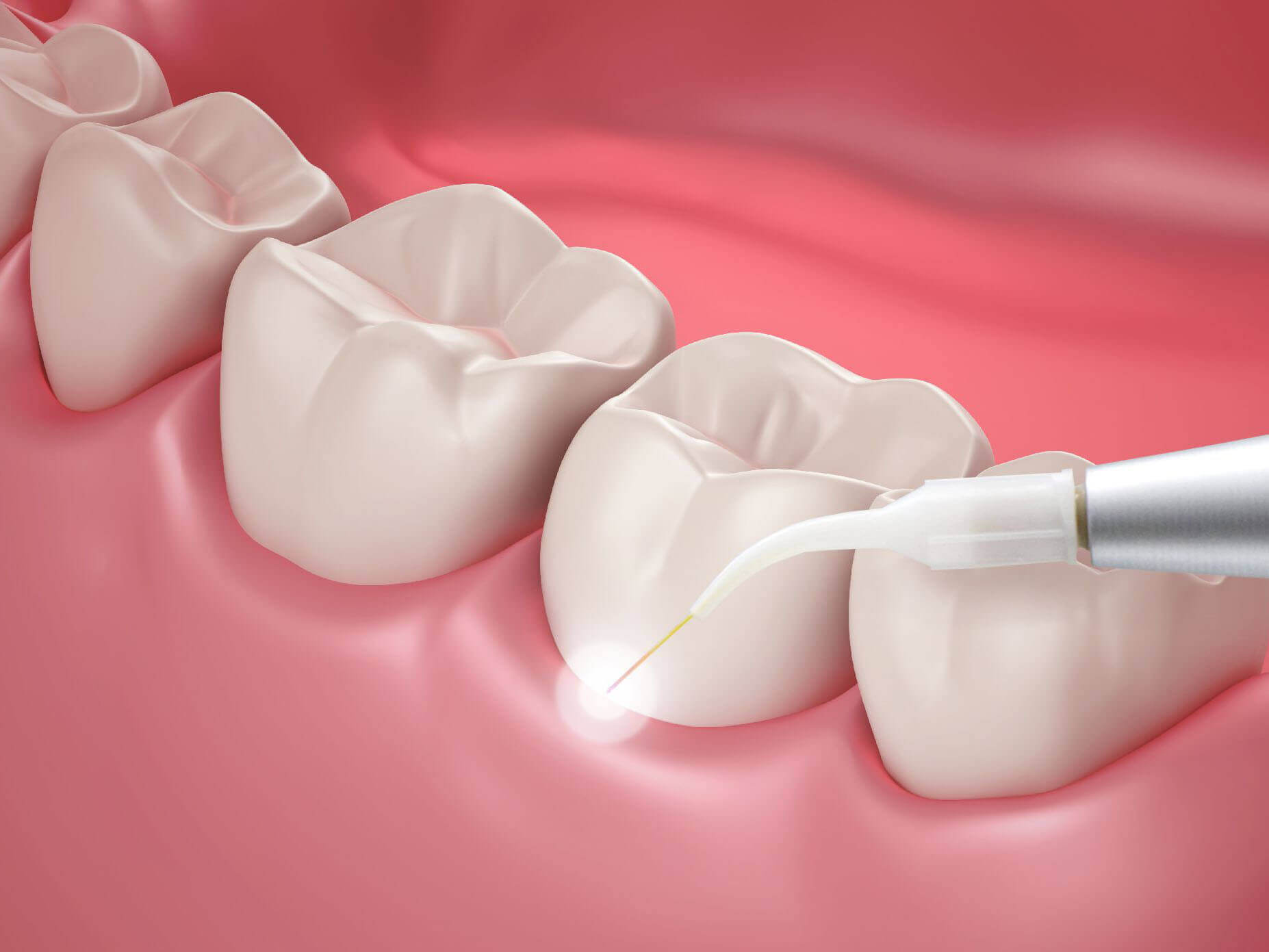
While dental implants are made of artificial materials, the surrounding gums and bone are your own. Inadequate oral hygiene post-surgery can lead to food debris accumulating around the implant area, potentially causing periodontal disease or other infections over time. During follow-ups, your dentist will examine the state of your gums, allowing for early detection of any swelling, recession, or bleeding. They’ll also provide guidance on proper cleaning techniques. Often, patients may not recognize early gum disease, but professional check-ups can prevent future complications.
**4. Adjusting Bite Alignmen
t and Chewing Comfort**
After the completion of a dental implant, achieving perfect bite alignment may not happen immediately. Some may experience discomfort or an off placement during daily meals but ignore it due to the absence of pain. One key role of follow-ups is allowing the dentist to make minor adjustments in crown height, angle, or surface polish, ensuring a more comfortable and natural bite that prevents long-term uneven wear on other teeth.
**5. Building a Comprehensive Treatment Record**
Dental implant procedures are multi-stage medical interventions, requiring documentation from the initial consultation to surgery and crown placement. Follow-up appointments enable the dentist to comprehensively monitor your recovery journey, so if any issues arise later, they can refer to past records for informed judgment. In cross-border medical scenarios, both you and the dentist need clear communication to ensure no follow-up steps are missed.
**6. Rigorous Follow-ups for Cross-border Treatments**
One practical challenge of getting dental implants across the border is the geographical distance from Hong Kong, necessitating prior planning for follow-up visits. Although some clinics offer virtual consultations, certain examinations like X-rays and periodontal assessments require physical presence. When pursuing cross-border dental care, follow-up visits become even more critical; neglecting them due to distance could lead to complicated reoperations with higher difficulty and cost if problems arise.
**7. Maintaining Communication and Confidence**
Regular follow-ups are not just about examinations; they also build trust between you and your dentist. Use these opportunities to ask about everyday care details, dietary advice, and precautions, benefiting your long-term oral health. Confidence and peace of mind stem not solely from the immediate success of surgery but from a responsible attitude every step post-operation.
In conclusion, while undergoing dental implants across the border can often leave you feeling great post-surgery, follow-up appointments are essential for ensuring lasting results and health. No pain does not mean no issues; revisiting your dentist allows early detection and treatment, guaranteeing your investment in dental care is long-lasting and reassuring. Remember, dental implants are not just a single operation but part of a long-term oral care process, where your cooperation and regular follow-ups lead to a perfect outcome.
















