



**Why Do Doctors Advise Against Chewing Gum After Getting Dental Implants Up North?**
In recent years, many people have been heading "up north" for dental treatments, with dental implants becoming a popular choice among Hong Kong residents. The convenience of travel and flexible timing offers a chance to explore new places while addressing dental needs. However, after receiving dental implants, its not just about adjusting your brushing techniques or diet; a common piece of advice from doctors is, "Avoid chewing gum!" So, why is chewing gum a big no-no for implant patients? Lets delve into this issue with a relaxed, conversational tone.
**1. Initial Healing Requires Stability**
Dental implants differ from ordinary fillings; they involve inserting an artificial root into the jawbone, which must gradually "fuse" with the bone. This healing process usually takes several months, during which time stability around the implant is crucial, avoiding any undue pressure. Chewing gum requires prolonged and continuous chewing, focusing the force on the teeth and implant. This can cause slight movements in the implant before it fully integrates, potentially affecting the speed and quality of the bone-to-implant integration.
**2. High Adhesion of Gum to Tooth Surfaces**
Chewing gum has high elasticity and stickiness, and the materials used in dental implants differ slightly from natural teeth. This difference can occasionally increase adhesion. If gum sticks to the crown or surrounding areas of the implant, it not only becomes difficult to clean but also risks irritating the gums and tissues, increasing the chance for bacteria build-up. Such bacterial accumulation can hinder healing and possibly lead to peri-implant inflammation, complicating the treatments effectiveness.
**3. Excessive Chewing Can Overstrain the TMJ**
While eating naturally involves the temporomandibular joint (TMJ), gum doesnt serve to be swallowed, leading to prolonged chewing. For dental implant patients, the TMJ and muscles around the teeth need time to adapt to new occlusal states post-surgery.
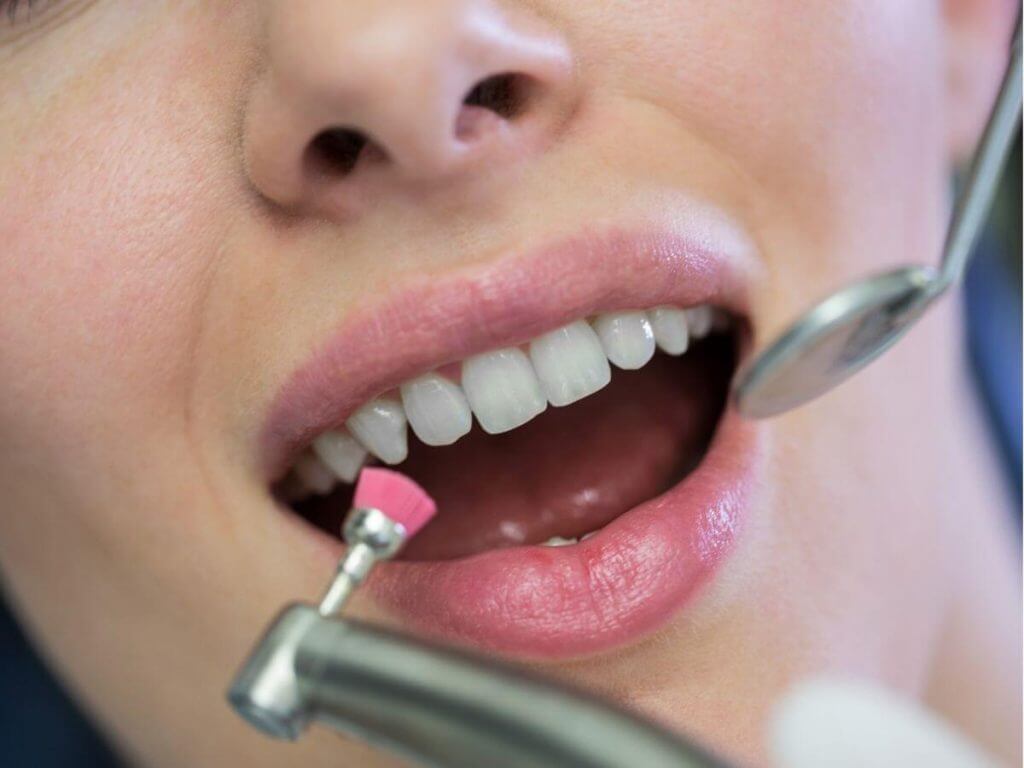
Excessive chewing may lead to muscle overstrain and potential pulling on the fibrous tissues around the implant. Doctors usually recommend avoiding prolonged repetitive chewing motions during the healing period to give your mouth adequate time for adjustment and self-repair.
**4. Avoid Increasing Oral Hygiene Challenges**
Though some gums claim "teeth-cleaning benefits," for implant patients, they might actually pose new challenges. Gum ingredients can adhere to the gaps around teeth or the edges of the crown, where keeping the junction between the implant and gums clean is crucial. Incomplete cleaning can degrade oral conditions, promote plaque build-up, and compromise gum health and the stability of the implant.
**5. Freshen Breath Without Gum**
Many chew gum to freshen breath, but post-implant, safer alternatives exist. Sugar-free mints or mouthwash can temporarily improve breath. Staying hydrated by drinking water helps keep the mouth moist, while avoiding foods with strong odors can also be effective. These alternatives prevent additional pressure on the implant while supporting oral health—a win-win situation.
**6. Follow Doctors Instructions for Optimal Results**
Every patient is unique, and doctors provide dietary and lifestyle guidelines based on your oral condition and post-operative reactions. Whether receiving implants locally or up north, adhering to these instructions is crucial. Dont assume the absence of immediate discomfort allows for lax behavior. Proper diet and lifestyle habits during the healing phase can significantly enhance the durability of dental implants, ensuring the treatments long-term success.
In conclusion, avoiding gum chewing after getting dental implants up north isnt a matter of being overly cautious. Its about ensuring successful fusion of the implant, protecting gums, and avoiding cleaning difficulties. Remember, dental implants are not just a one-time procedure; they require patience and cooperation over a period of time. Stay patient, listen to your doctor, and your smile will remain naturally bright and beautiful.
















