



**Why Do Dentists Ask About Your Eating Speed When Getting Dental Implants in Mainland China?**
In recent years, many Hong Kong residents have opted to get dental implants across the border in places like Shenzhen, Guangzhou, and other cities, where dental technology has made significant advances with modern equipment and streamlined procedures. During your initial dental consultation, you might have noticed that the dentist not only evaluates your teeth and oral health but also asks lifestyle-related questions such as, "Do you usually eat quickly?" This question is not just small talk; it has several important implications.
**Biting Force and Habits Can Impact Implant Success**
Getting a dental implant isnt just about "having a fake tooth"; it needs to integrate with your natural teeth and jawbone for stability and long-term use. If you tend to eat quickly, it might indicate that you apply significant biting force and chew for short periods. These habits can exert sudden, high pressure on your teeth. For new implants that havent fully integrated with the bone, excessive force can jeopardize implant stability.
**Fast Eating May Relate to Digestion and Oral Health**
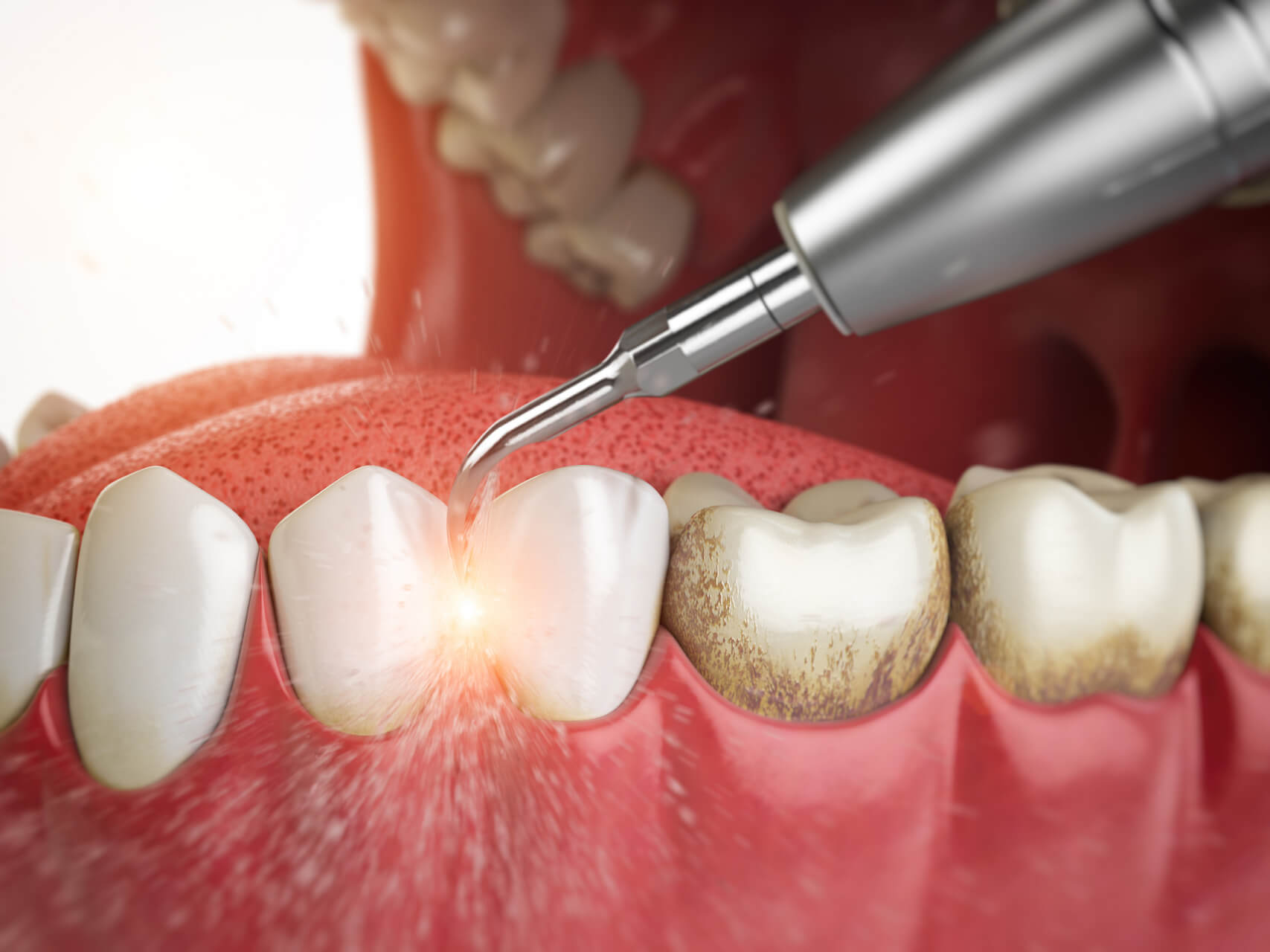
The dentists interest in your eating speed also serves as an indirect assessment of your chewing function and gastrointestinal health. Fast eaters often chew less and inadequately clean their teeth, leading to food debris buildup and increased plaque and tartar formation risks. If you maintain these habits after getting implants, both the implants and surrounding teeth may be more susceptible to bacterial attack, affecting long-term outcomes.
**Mainland Dentists Focus More on Lifestyle Habits**
Compared to some dental clinics in Hong Kong, many mainland dentists con
duct a more comprehensive assessment before treatment, including dietary habits, food preferences, and even work styles. They believe that dental health requires not just surgical and technological interventions but also lifestyle adjustments. If a dentist learns you eat quickly, they might advise you to "eat slowly and chew thoroughly" to help protect your new teeth.
**Eating Speed Affects Gum Healing**
There is a recovery period after implant surgery during which the implant must integrate well with your jawbone. Eating too quickly during this time can result in uneven pressure on the gums, potentially causing slight shifts or wound irritation, thereby prolonging recovery. Understanding your habits allows the dentist to advise you to control food hardness and speed during this critical period.
**Changing Habits Can Extend Implant Longevity**
Regardless of where you get your implants, eating speed always impacts dental health. Eating slowly doesnt just ease stress on your teeth; it also allows for more even chewing within the mouth, reducing localized wear. Although dental implants are robust, routinely applying high-speed, heavy force on hard foods can shorten their lifespan.
**Conclusion**
When dentists in mainland China ask about your eating speed during the implant process, theyre considering your overall oral health and lifestyle habits, which can affect the success and durability of your implants. This question serves as a reminder: dont overlook chewing speed, as this small habit could be key to maintaining dental health and preserving your new teeth. The next time your dentist asks this question, youll know theyre not just making conversation; theyre crafting a personalized treatment and care plan to suit your needs.
















