



**Post-Procedure Care for Dental Implants in Northern Regions: What to Do?**
In recent years, many people have chosen to go north for dental implants due to advanced technology, high safety standards, and excellent results. While the success of the surgery is just the first step, post-operative care is crucial for ensuring the longevity and functionality of dental implants. Many mistakenly believe implants can be treated just like natural teeth without special care. However, the initial weeks post-surgery are vital for recovery. Improper care may lead to periodontal issues or even damage the implant. So, how should you care for dental implants after surgery in the north? Let’s break it down step-by-step in a way thats easy to understand.
**1. Rest and Protection in the Initial Days (First Two to Three Days Post-Surgery)**
After returning home on the day of the surgery, it’s best to ensure plenty of rest and avoid strenuous activities, allowing your body enough time to adapt and heal. Mild swelling or some bleeding near the surgical site is normal and can be managed with gentle ice packs on the face to reduce swelling. Avoid touching the surgical site with your hands or tongue to prevent bacterial infections.
**2. Mindful Eating**
In the first few days post-surgery, consume soft, easily chewable foods like porridge, steamed eggs, and tofu. Avoid extremely hot or cold foods, as they can irritate the wound. Use the opposite side of your mouth for chewing to lessen pressure on the new implants. Gradually resume normal eating habits as the wound stabilizes.
**3. Gentle Oral Hygiene**
Many worry about damaging the implant area while brushing teeth, but proper cleaning is crucial. Post-surgery, rinse your mouth gently with warm water or dentist-recommended mouthwash to maintain oral hygiene. Use a soft-bristle toothbrush, clean gently without directly contacting the wound, and once your dentist confirms healing, return to full cleaning routines. Long term, consider using dental floss or interdental brushes to prevent periodontal
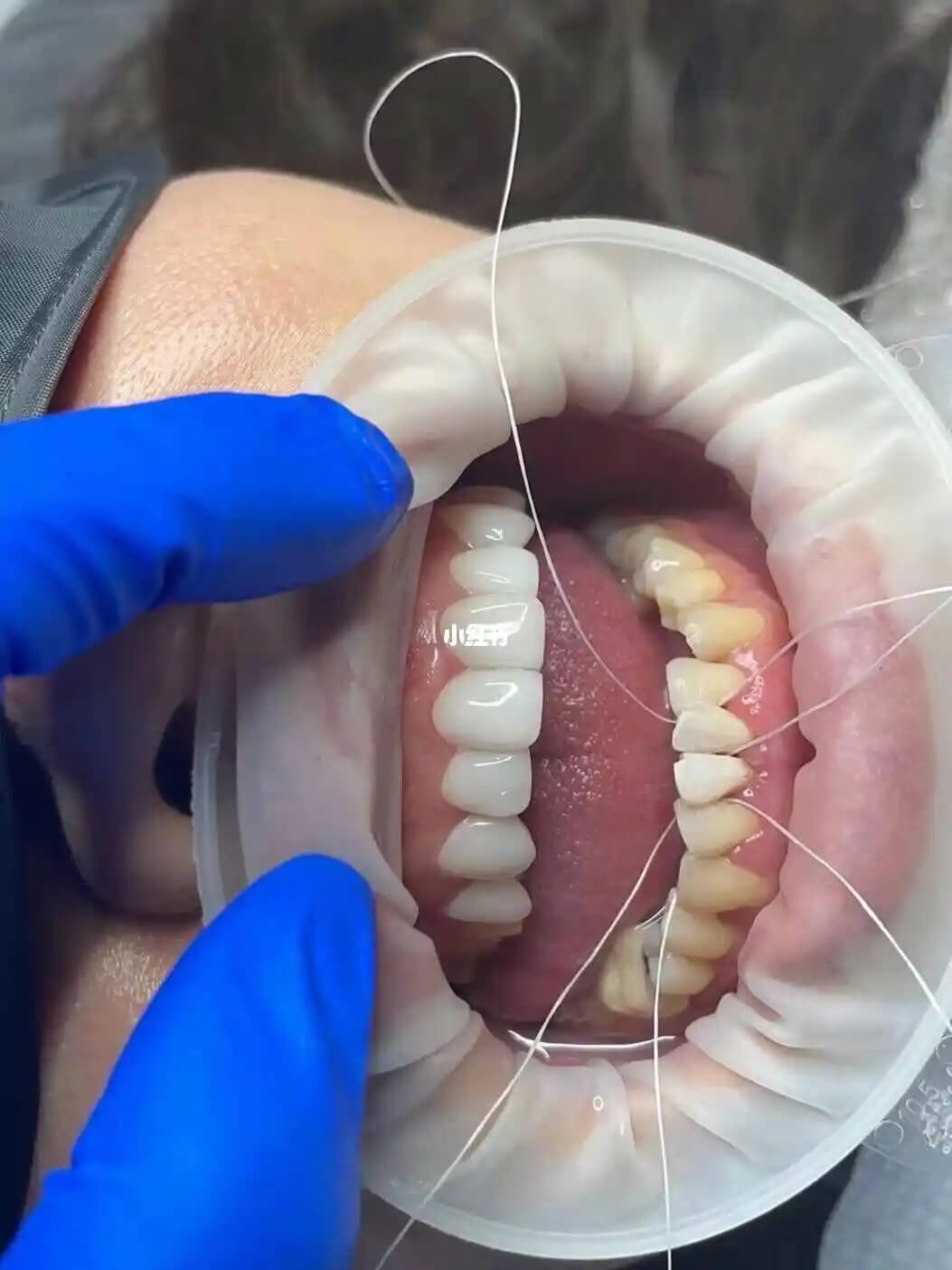
disease.
**4. Don’t Neglect Follow-up Appointments**
Often, Hong Kong dentists may not offer post-operative checks for implants done in the north. Therefore, it’s crucial to attend follow-ups as scheduled by your surgeon. Regular check-ups ensure the implant and gums remain healthy, and any issues can be addressed promptly. Consider regular dental examinations in Hong Kong to maintain implant stability.
**5. Avoid Harmful Habits**
Post-surgery, its advisable to stop smoking and drinking, as these habits can impede healing and increase infection risks. Also, minimize consuming hard foods like ice, hard candies, or nuts to avoid excessive pressure that might loosen or damage the implant. If you grind your teeth at night, consult your dentist about using a night guard to reduce wear.
**6. Observe Changes in Teeth and Gums**
Problems with dental implants might not be immediate; they may surface months or even years later. If you notice unusual gum swelling, bleeding, a bad odor, or loose feelings in your implant during daily oral care, seek a dental check-up immediately. Early detection simplifies treatment.
**7. Adapt Psychologically and Adjust Lifestyle**
Initially, the newly implanted teeth might feel different from natural teeth, requiring an adjustment period. Avoid hastily using them for hard chewing; instead, gradually familiarize yourself with their feel and strength. With proper care and appreciation, they can accompany you for many years.
In conclusion, post-operative care for dental implants in the north is not complicated but requires patience and consistent attention. Remember: rest, a proper diet, gentle cleaning, regular check-ups, quitting bad habits, and monitoring changes are crucial steps for ensuring the long-term stability of your dental implants. Dental implants are not just tools for restoring your bite and smile but an integral part of your quality of life, so don’t neglect post-operative care. With dedicated maintenance, your dental implants can securely coexist in your mouth for many years to come.
















