



**When Can You Start Using Dental Floss After Getting Implants in Mainland China?**
In recent years, many people from Hong Kong have opted to travel to Mainland China for dental implants due to the maturity of the techniques, the variety of choices, and quick procedures available. However, post-implant care goes beyond watching your diet and maintaining oral hygiene during recovery—it involves attention to many details, such as the appropriate timing to start using dental floss, a critical aspect often overlooked. So, when is the safest and most effective time to begin using dental floss? In this article, we’ll walk you through this question in a relaxed, Cantonese style.
**Recovery Period After Dental Implants**
The dental implant process typically involves several stages: the insertion of the artificial root, allowing time for osseointegration (the bone fusion stage), and then placing the crown. Each step requires time for the gums and jaw to adapt, and avoiding excessive irritation to the surgical site is crucial. In the initial days post-surgery, your gums may swell or feel slightly painful, and dentists generally recommend gentle cleaning with mouthwash or a soft-bristled toothbrush instead of immediately using floss. Flossing might pull at the gums, possibly causing the wound to tear or affecting the healing process.
**Importance of Dental Floss for Dental Implants**
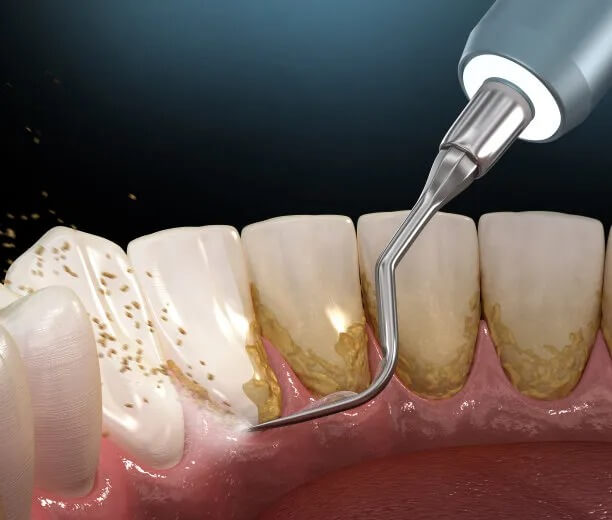
Although dental implants consist of metal and ceramic and do not suffer from cavities, the surrounding gums and jawbone are still at risk from dental plaque. Inadequate cleaning can lead to plaque accumulation, resulting in gum inflammation and long-term risks like bone loss around the implant, known as peri-implantitis. Therefore, once your dentist confirms the implant and gums are stable, dental floss becomes an essential tool for daily care, helping to remove debris from spaces that a toothbrush might miss, thus maintaining optimal oral hygiene.
**When to Start Using Dental Floss?**
Generally, the first one to two weeks post-surgery are crucial for wound healing, during which dentists advise against using floss—relying solely on gentle brushing and mouthwash instead. Once a dentist checks that the wound shows no redness, swelling, or bleeding and confirms the implant stability, you can g
radually incorporate flossing into your cleaning routine. Some individuals may recover faster and start flossing within two to three weeks, while others, due to gum conditions or overall health, might need to wait for a month or longer. The key is to be patient; prematurely stimulating unhealed gums can cause more harm than good.
**Tips for Starting with Dental Floss**
When commencing flossing, choosing the right tools and technique is essential. There are specially-designed soft dental flosses for implants, featuring a sturdier segment in the middle for easier threading between teeth, and soft ends gentle on gums. Floss gently, avoiding direct cutting into the gums, and employ a "C-shape" to encase the tooth surface, gently sweeping up and down the tooth gaps. Beginners can practice in front of a mirror or even seek demonstration from a dental nurse to ensure correct hand movements.
**Regular Check-Ups Matter**
For those heading north for dental implants, remember that the surgery doesn’t signal an "all-clear." After returning to Hong Kong, its wise to have regular dental check-ups to assess your oral health, including potential inflammation around the implant and proper floss usage. Addressing issues promptly can reduce long-term risks. Many dentists will also advise using interdental brushes or water flossers as supplementary tools, especially for larger gaps or bridge work, ensuring comprehensive cleaning.
**Daily Maintenance Tips**
Beyond floss, your daily dietary habits significantly affect implant health. Avoid consistently consuming very hard foods and sugary items; hydrate frequently to keep your mouth moist, aiding in washing away food particles and plaque. Brush at least twice daily, and rinse after meals if necessary, to maintain gum health and extend the lifespan of your implants.
**Conclusion**
Post-implant care in Mainland China emphasizes the importance of dental floss, but timing this correctly is crucial. Follow your dentists guidance, allowing the wounds to stabilize and gums to heal before gradually incorporating floss. Employ correct techniques and attend regular check-ups to ensure long-term stability and aesthetic appeal of the implants. Remember, like natural teeth, implants require consistent care for lasting use and peace of mind.
















