



**Why Do Nurses Advise Against Frequently Touching Dental Implant Wounds After Surgery in Mainland China?**
In recent years, many people from Hong Kong have opted to undergo dental procedures in Mainland China, particularly dental implants. These implants are a popular choice due to their mature technology and ability to solve issues related to missing or unstable teeth. However, after surgery, many patients tend to fiddle with the wound in their mouth, either in a hotel or back at home, wanting to see how it is healing. Nurses often remind patients, “Don’t touch the wound too often!” But why is this advised? There are several reasons behind it, which are crucial for everyone to note.
### 1. Prevent Bacterial Infection
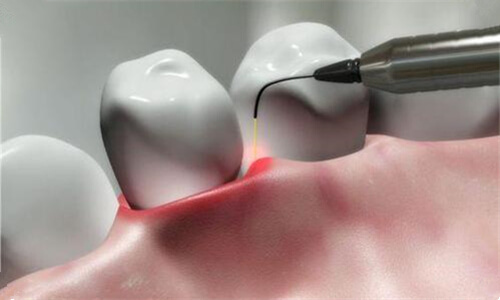
Firstly, hands are the most exposed part of the body to bacteria, especially as you touch phones, railings, coins, and more throughout the day. Even if you think your hands are clean after washing, microscopic germs can still linger. After dental implant surgery, the gums and surrounding tissue have open wounds that have not fully healed yet. Touching these wounds can introduce bacteria, increasing the risk of infection. Considering the travel time back home is often long, an infected wound can lead to complications that require further treatment.
### 2. Avoid Irritating the Wound and Affecting Healing
Dental implants involve more than just inserting artificial roots; surrounding gums and bone need to grow slowly and integrate with the implants. Frequent touching can irritate the gums, potentially damaging newly growing tissue. Much like a scab that falls off prematurely with constant picking, gum irritation can lead to bleeding or swelling and prolong healing time.
### 3. Minimize the Risk of Implant Displacement
Stability of the dental implants in the early stages is crucial, and dentists provide guidelines for eating and cleaning. Frequent touching might cause slight pressure on the implant and surrounding components, increasing the risk of displacement. If displacement occurs, additional surgery may be required to fix the issue, leading to more discomfort and increased cost.
### 4. Psychological Anxiety Responses
Many patients worry about the outcome post-surgery and therefore keep checking the wound, especially when returning to
Hong Kong, where immediate follow-up with the dentist may not be possible. Nurses advise against touching to reduce this anxious behavior, as constant touching leads to more worrying, forming a vicious cycle that might falsely make one feel there’s a problem when there isn’t.
### 5. Follow Instructions for Correct Care
After receiving dental implants in Mainland China, dental professionals usually provide detailed recovery instructions, such as avoiding hard foods for the first few days, rinsing with warm water, and avoiding direct brushing of the wound area. The nurses reminder complements these guidelines to ensure recovery isnt disrupted by curiosity or itchy hands. Remember, for any issues, consult your dentist immediately or visit a reputable dental clinic in Hong Kong rather than relying on “feeling” with your fingers.
### 6. Prioritize Oral Hygiene
Not touching the wound doesn’t mean neglecting oral care; in fact, more attention to hygiene is required. Follow dentist advice for the first few days, using antiseptic mouthwash to gently rinse and reduce bacteria, while maintaining cleanliness. Food choices should focus on soft and easy-to-chew items to alleviate gum pressure. Regular check-ups and timely follow-ups are essential to ensure the longevity of dental implants.
### 7. Tips for Dental Implants in Mainland China
Before heading to Mainland China for dental surgery, it’s important to understand the qualifications of the medical institution and the experience of the dentist. After surgery, clarify the processes in case of complications. Remember, not touching the wound isn’t a trivial matter; it is one of the most basic yet vital post-surgery care steps—many complications stem from initial neglect of hygiene and protection.
To summarize, nurses advise against frequent touching of wounds as they understand the vulnerability of gums post-surgery. Bacteria, irritation, and displacement significantly affect healing. To ensure successful outcomes, follow the instructions diligently, avoid unnecessary actions, and patiently allow the healing process to take its course. Getting dental implants isn’t a one-time transaction; it is a process that requires careful nurturing so you can enjoy the convenience and smiles brought by new teeth long-term.
















