



**Why Is Minimally Invasive Dental Implants Popular in Mainland China?**
In recent years, many Hong Kong residents have considered traveling to mainland China for dental services, with dental implants becoming increasingly popular. But have you heard about "minimally invasive dental implants"? Many people wonder why this method allows for quicker healing. Understanding the principles and techniques behind it is essential before making a decision.
**What Are Minimally Invasive Dental Implants?**
Traditional dental implant surgery typically requires making an incision in the gum to expose the bone, allowing for the implantation of an artificial tooth root. Minimally invasive dental implants, however, use smaller incisions or even a "transmucosal" technique, where a small hole is created directly in the gum for implant insertion. This reduces the surgical area and trauma, significantly speeding up the healing process.
**Less Trauma, Less Pain and Swelling**
The biggest advantage of minimally invasive surgery is the reduced trauma. With less impact on the gums and surrounding tissues, the body requires less time to heal. Patients can often resume normal eating by the next day, and returning to work is typically not an issue. In contrast, traditional methods involve more sutures and flaps, leading to a longer recovery period.
**Shorter Surgery Time, Reduced Psychological Burden**
Dental procedures can naturally cause anxiety and stress, but minimally invasive implant surgeries are usually completed in a shorter time frame, reducing the time patients spend under pressure. Moreover, the reduced post-operative discomfort makes the process more psychologically acceptable.
**The Situation of Minimally Invasive Dental Implants in Mainland China**
Many dental clinics in mainland China have adopted minimally invasive techniques, with some incorporating digital CT scans and computer-guided systems to simulate the implant placement on a computer model. This allows for precise creation of the hole in the gum, making the sur
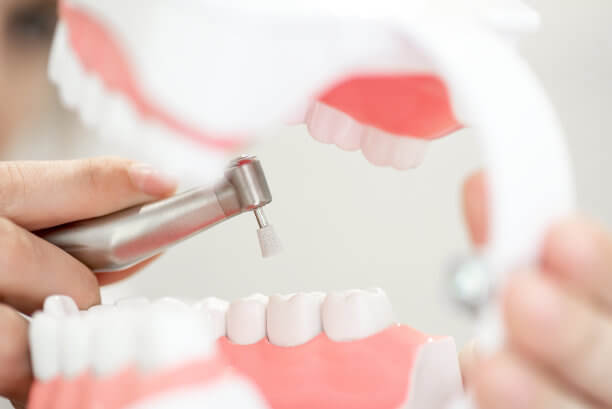
gery safer and minimizing incision size.
**Quick Recovery Doesn’t Mean Neglecting Care**
Though recovery is faster with minimally invasive implants, post-operative care is crucial. Its best to avoid hard or hot foods in the first few days after surgery, maintain oral hygiene, and rinse with warm saline to reduce infection risks. Follow-up appointments are essential to ensure the artificial root properly integrates with the bone.
**Who Is Suitable for Minimally Invasive Dental Implants?**
In general, individuals with sufficient bone mass in the dental area and healthy gums are suitable candidates for this procedure. If the bone is insufficient or gum disease is untreated, other treatments might be recommended before considering implants. Not all situations are suitable for minimally invasive techniques, so consulting a qualified dentist is vital.
**Preparation Before Traveling to Mainland China**
Before heading to mainland China for minimally invasive implants, it is recommended to gather all previous dental records, including X-rays or CT scans. This helps mainland dentists quickly understand your dental condition. Consider transportation time and post-operative follow-up plans. If regular check-ups are needed, choose a convenient location and clinic.
**Conclusion**
Minimally invasive dental implants offer faster recovery due to smaller surgical trauma, reduced pain, and less swelling, paired with advanced technology for precision and safety. This technique is available in both Hong Kong and mainland China. Regardless of where you choose, finding an experienced dentist to assess your oral health is crucial. Remember, minimally invasive is just one method; the best choice is the one that suits your individual needs.
If youd like, I can also help optimize the article structure with SEO keywords related to Hong Kong residents seeking dental services in mainland China. This will increase the chances of Google indexing your article and attract local search traffic. Would you like me to add that section as well?
















