



**Why Do Some People Choose Stainless Steel Crowns Over Porcelain While Getting Dental Implants in Mainland China?**
In recent years, many Hong Kong residents have opted to travel to mainland China for dental implants, primarily because of the wider range of options, comparable techniques, and the ability to address multiple dental issues in one go. However, upon visiting clinics in the mainland, you may notice that some people opt for stainless steel crowns after their implants instead of the traditionally preferred porcelain crowns. Here are several reasons behind this choice.
**1. Superior Durability**
Stainless steel crowns are typically made from stainless steel or other metal alloys, offering superior hardness and wear resistance. For individuals with strong biting force or frequent consumers of hard foods, these crowns can withstand significant pressure and are less prone to chipping. While porcelain crowns are aesthetically pleasing and resemble natural teeth in color, they may not handle the same level of force as metals, especially for back molars where metal crowns often perform more reliably.
**2. Functionality Over Aesthetics**
For many, the choice of stainless steel crowns is driven by their emphasis on functionality rather than appearance. Back teeth, in particular, are not as visible when speaking or smiling, so the metallic color doesnt impact daily appearance. When it comes to chewing, functionality becomes the primary consideration, and stainless steel crowns provide long-term, stable bite performance.
**3. Dentist Recommendations and Personal Conditions**
When traveling to mainland China for implants, some local dentists may recommend materials based on your gum condition and chewing habits. If your bone density is low or you have a preference for hard foods, they may advise using stainless steel crowns due to their stability, which reduces the likelihood of needing future repairs or replacements. Many Hong Kong residents follow these professional recommendations, especially since dental implants are a significant investment, and they want to minimize disruptions.
**4. Impact on Dental Health**
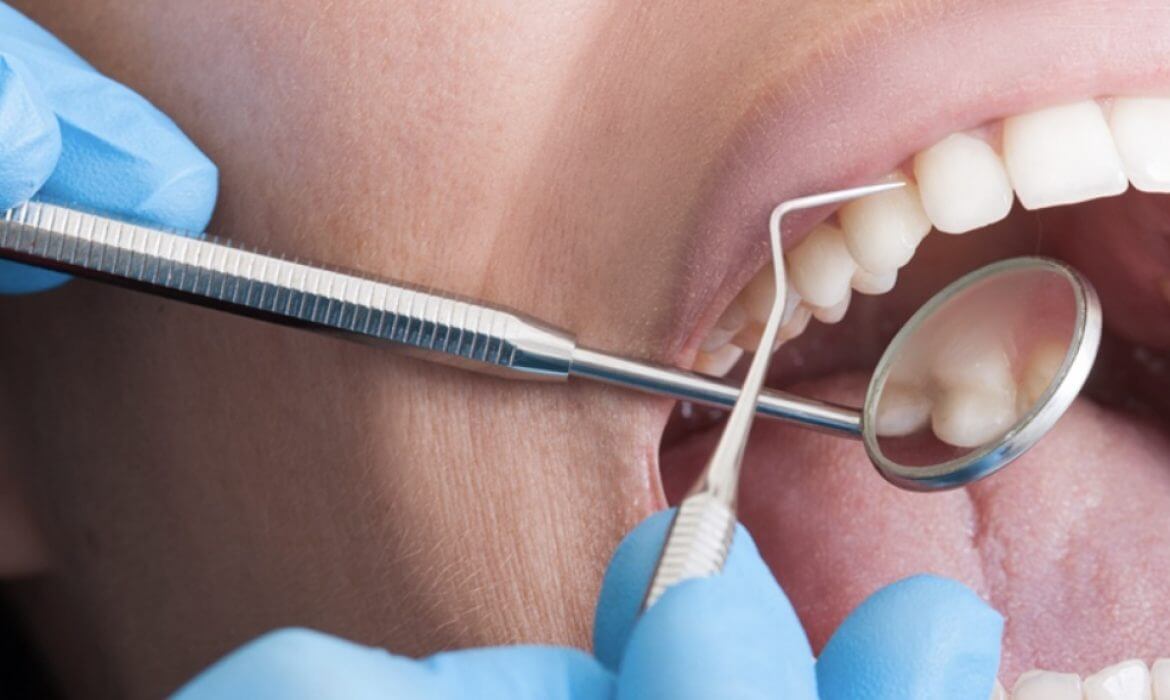
Metal crowns generally fit well with natural teeth, minimizing bacterial invasion and offering mid-to-long-term protection. Although porcelain crowns have a natural color, any minor chipping might lead to cracks that allow bacteria to access and affect the internal structure. The lower likelihood of damage with stainless steel crowns is a major reason for their preference.
**5. Easy Maintenance**
Stainless steel crowns have a smooth surface, making them less prone to collecting stains or food debris, and they are easier to clean and maintain. For those with busy schedules or limited time for dental maintenance, stainless steel crowns become a hassle-free option.
**6. Psychological Comfort and Usage Habits**
Some Hong Kong locals believe that, since back teeth are not immediately visible, durability should be the priority. Additionally, middle-aged and older adults who previously used metal braces may be familiar with the feel of metal in their mouths, making them more comfortable with stainless steel crowns. While porcelain crowns are attractive, the fear of potential chipping and subsequent repairs may deter them from choosing this option.
**Conclusion**
When considering dental implants in mainland China, choosing between stainless steel and porcelain crowns should be based on individual circumstances and requirements rather than a definitive right or wrong choice. Many choose stainless steel crowns due to their durability, functionality, and ease of maintenance, particularly for back molars where metal crowns often provide longer-lasting bite protection. For those who prioritize aesthetics, porcelain crowns might be more suitable for front teeth. Regardless of the decision, it is crucial to communicate clearly with your dentist, understand your dental condition, and find the most appropriate solution for your oral health.
So, the next time you consider dental implants in mainland China, remember not to focus solely on appearance. Durability and everyday usability are equally important in achieving the long-term goal of protecting your teeth effectively.
















