



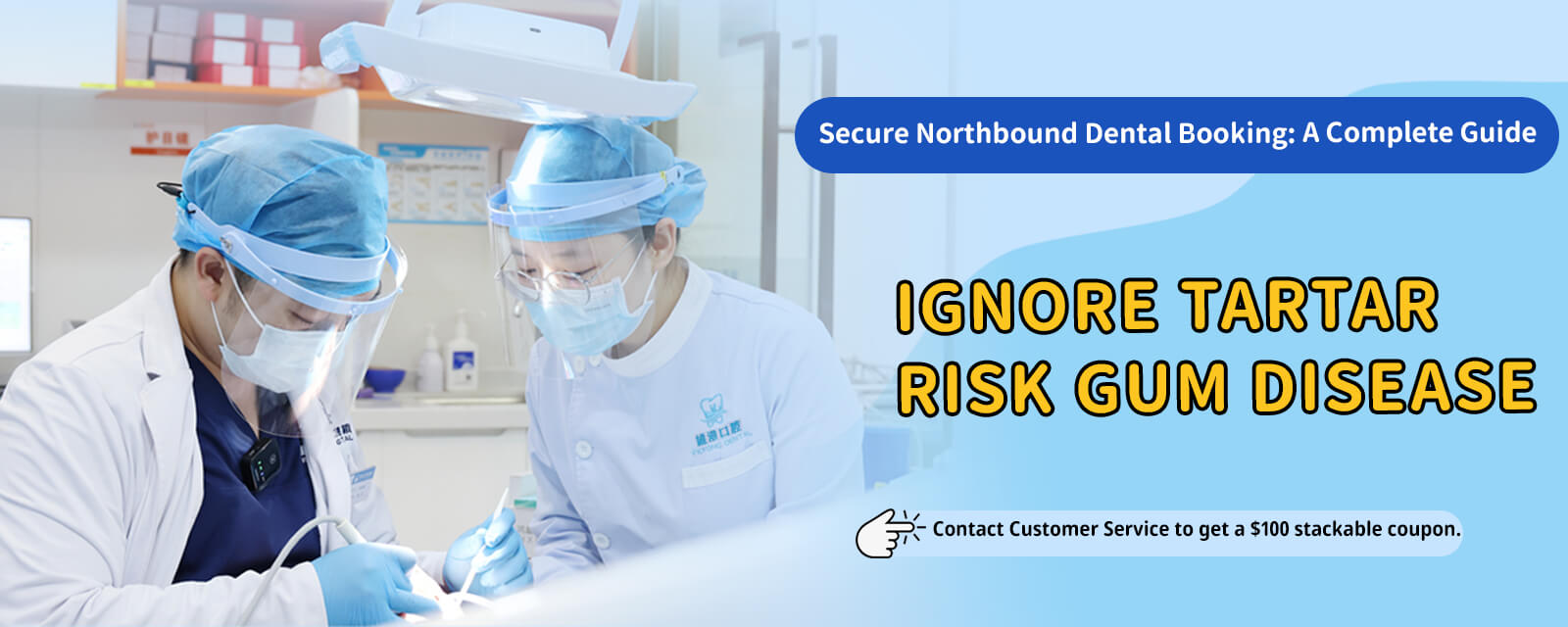
**How Risky is Dental Implant Surgery Across the Border?**
In recent years, many Hong Kong residents have considered traveling north to Mainland China for dental treatments, including dental implants. The primary reasons include a wider range of choices, advanced technologies, and recommendations from friends who have received satisfactory services. However, undergoing medical procedures in an unfamiliar location naturally raises concerns, prompting the question: "How risky is getting dental implants across the border?"
**Understanding the Risks**
Dental implant surgery is, by nature, a procedure that requires a certain level of technical expertise, whether done in Hong Kong or Mainland China, and it inherently carries some risks. Before deciding to receive treatment in Mainland China, its crucial to understand these risks to assess if its a suitable option and to prepare adequately to minimize potential issues.
**1. Variation in Medical Standards and Qualifications**
Many cities in Mainland China boast commendable dental technology, and some clinics have even incorporated advanced equipment. However, there can be disparities in medical quality between different clinics. The qualifications, experience, and training backgrounds of dentists may not be easy to verify. While Hong Kong dentists are regulated by local laws with consistent certification and oversight, the regulatory framework in Mainland China, though existing, may vary significantly between regions. If theres no reliable source of information to assess a clinic or dentist before making a decision, it poses a potential risk.
**2. Pre-Surgery Examination and Communication**
Dental implants require comprehensive preliminary examinations, such as oral X-rays, periodontal health checks, and bone quality analysis. If considering treatment in Mainland China, tight schedules might lead to reduced examination procedures or incomplete information, potentially overlooking hidden issues. Clear communication is also critical; without thorough explanations of technical terms or if patients dont fully comprehend the information, misunderstandings may arise post-surgery.
**3. Post-Surgery Follow-up and Aftercare**
Dental implants require ongoing post-operative check-ups to ensure the stability of the implants and proper healing. In Hong Kong, follow-ups are more convenient. When treated in Mainland China, careful planning is essential to allow for travel back and forth, which might not facilitate consistent follow-up care. If discomfort or unexpected issues arise midw
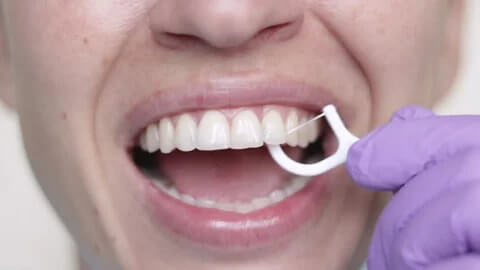
ay, deciding whether to seek help from a Hong Kong dentist or return to the Mainland dentist requires careful consideration.
**4. Hygiene Standards and Infection Risks**
Any surgical dental procedure involves hygiene considerations, especially with implants needing sterile practices. Standards for equipment sterilization, operating room management, and material sourcing vary across locations, and insufficient environments can increase infection risks. While larger dental institutions may strictly adhere to regulations, lack of preliminary understanding could lead to blind spots in selection.
**5. Personal Health Conditions**
For individuals with conditions like diabetes, cardiovascular issues, or severe periodontal disease, the risks of dental implants naturally increase. In either Hong Kong or Mainland China, a thorough pre-assessment should determine surgical suitability. However, if during the process of traveling north the dentist does not fully grasp your health information, the evaluation may lack precision.
**6. Psychological Expectations and Adaptation**
Receiving medical treatment under different healthcare systems requires psychological adaptation. Differences in treatment processes, follow-up arrangements, material choices, and post-operative instructions from Hong Kong might feel unsettling without prior mental preparation.
**Minimizing Risks**
If you’re determined to seek dental implants across the border, consider these points:
1. Choose reputable dentists and clinics with verified qualifications and good reputations.
2. Conduct comprehensive pre-surgery checks and gather necessary information for accurate evaluation by the dentist.
3. Arrange a detailed post-surgery follow-up plan to ensure continual care.
4. Understand the surgical process, material sources, and hygiene standards, and don’t hesitate to ask questions.
5. Be transparent with your health conditions to assist in a comprehensive safety assessment.
In summary, while the risks of getting dental implants across the border aren’t necessarily overwhelming, thorough research and preparation on your part are indispensable. With qualified dentists, comprehensive evaluations and follow-ups, and awareness of your health status, these risks can be reduced. Nevertheless, given the inherent uncertainties in medical procedures, dental implant surgery is a decision that warrants cautious consideration; it’s unwise to act impulsively based solely on friends recommendations. Balancing convenience with peace of mind should be your primary concern.
















