



**What Pre-Procedural Tests Are Required Before Dental Implants in China?**
In recent years, an increasing number of Hong Kong residents have chosen to travel to mainland China for medical procedures, with dental implants being a particularly popular option. However, many people overlook a crucial step — pre-procedural testing. Dental implants involve more than just selecting a dentist or clinic. Preliminary health checks enable dentists to accurately assess your physical condition, ensuring that the procedure is both safe and effective. So, what are the typical tests conducted before getting dental implants in China? Lets break it down for you.
**1. Full Dental Examination and X-Rays**
Upon visiting a clinic in mainland China, the first step typically involves a dental examination complemented by X-rays, or even a full-mouth CBCT scan. This examination assesses the thickness and density of the jawbone and the condition around the tooth roots. Since dental implants involve placing an artificial root into the jawbone, any insufficient bone density or inflammation needs to be addressed beforehand.
**2. Oral Health Assessment**
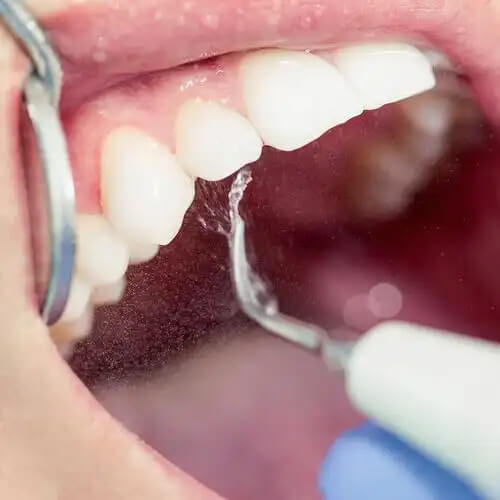
Besides imaging, the dentist will evaluate periodontal health, checking for issues like gum bleeding, periodontal pocket depth, and tartar build-up. If there is severe periodontitis or chronic gingivitis, dental implant surgery may need to be postponed for periodontal treatment to prevent post-surgical infection or implant instability.
**3. Blood Tests**
Many professional dental centers recommend basic blood tests, including complete blood count, blood sugar levels, and coagulation function. These results help the dentist assess potential surgical risks. For instance, high blood sugar can impair wound healing, while poor clotting function necessitates extra bleeding precautions. This is particularly important for patients with chronic illnesses.
**4. ECG and Cardiovascular Examination**
For older patients or those with a history of cardiovascular disease, an ECG is crucial. Although dental implant procedures typically use local anesthesia, they can trigger body responses such as increased heart rate due to anxiety or discomfort. Understanding cardiac health in advance helps prevent potential surgical complications.
**5. Chronic Illness History Inquiry**
Pre-procedural assessment isnt limited to blood tests and ECGs. Dentists will also inquire about any chronic conditions, such as diabetes, hypertension, or osteoporosis. These factors di
rectly influence the implant strategy, necessitating specially designed implants or adjusted recovery times for certain conditions.
**6. Allergy History and Medication Record**
Its essential to disclose any allergies to anesthetics, antibiotics, or painkillers in advance. A detailed allergy history allows the dentist to select safe medications, preventing allergic reactions post-surgery.
**7. Oral Hygiene Recommendations**
On the day of the assessment, the dentist typically offers oral hygiene advice, such as pre-surgical brushing, flossing, or mouthwash routines. Maintaining oral cleanliness can reduce the risk of surgical wound infections.
**8. General Health Assessment**
Some clinics carry out more comprehensive evaluations, including blood pressure measurements, temperature checks, and respiratory system examinations. While not mandatory for dental implants, these assessments provide extra safety assurance for individuals with more complex health conditions.
**Why is Pre-Procedural Testing Important?**
Dental implants are not immediate operations; they involve planned procedures that consider jawbone condition, overall health, and surgical safety. Thorough pre-procedural testing not only protects your safety but also enables the dentist to choose the most suitable implant design and surgical technique for your specific situation. Essentially, with accurate data, the dentist can perform the procedure with greater precision, minimizing the risk of surgical failure.
**What to Consider for Pre-Procedural Testing in China?**
Firstly, choose a qualified and experienced clinic, preferably with legal registrations in both Hong Kong and mainland China. Secondly, ensure clear communication by discussing your medical history in your native language to avoid misunderstandings. Lastly, if youve previously undergone tests in Hong Kong, such as dental X-rays or blood reports, bring those results with you to potentially reduce duplicate testing, although the dentist may still require the latest data.
**Conclusion**
Pre-procedural testing for dental implants in China is by no means superfluous; it’s an essential step. From dental exams to blood tests, ECGs, and health history inquiries, comprehensive evaluations of your health ensure a safe, reliable, and long-lasting implant process. If you’re planning to get dental implants in China, don’t overlook this preparatory step, as it allows you to proceed confidently with the treatment, achieving a healthy and natural smile.
















