



**Are There Mandarin-Speaking Dentists at Northern Implant Clinics?**
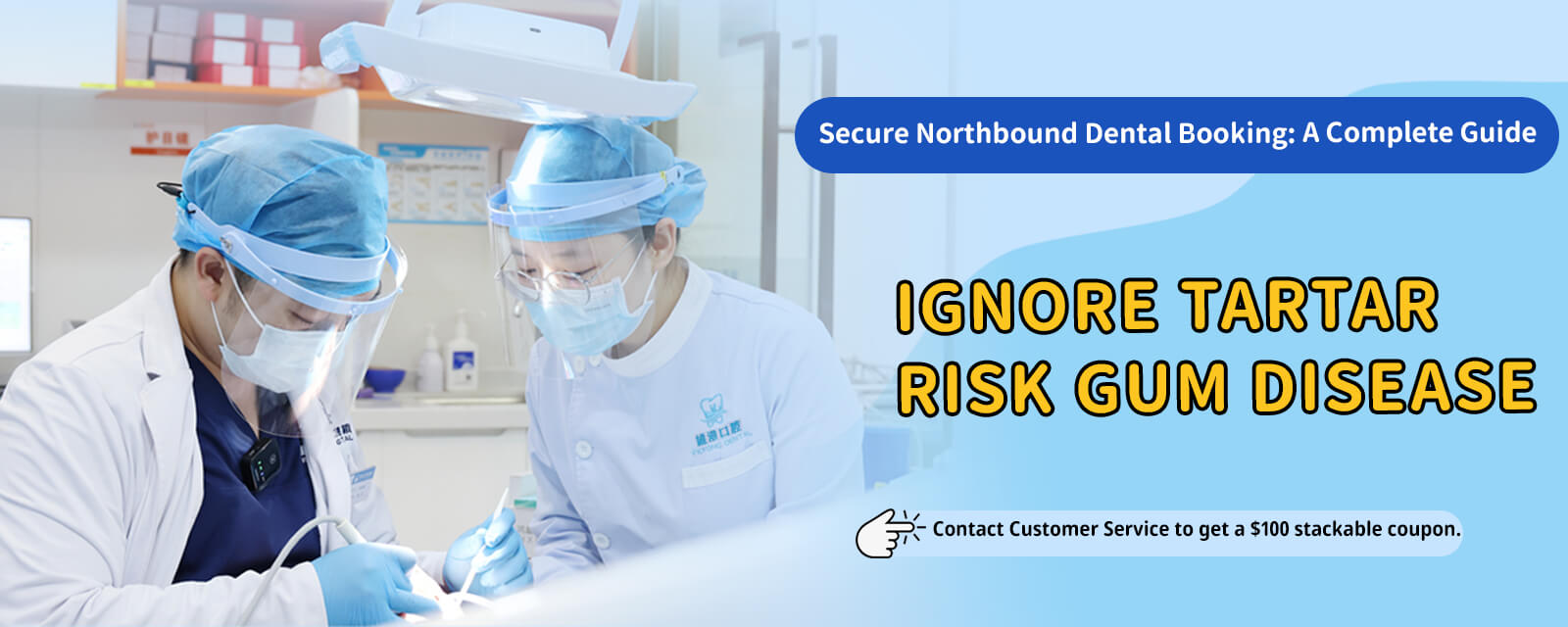
In recent years, many people have opted to travel north for dental care, especially for implant services, thanks to the comprehensive dental equipment and advanced technology available there. However, a common concern among Hong Kong residents contemplating this option is language—will the clinic’s dentists speak Mandarin? Many worry that communication barriers could affect the quality of care. So, do northern implant clinics always have Mandarin-speaking dentists?
In most Chinese cities, Mandarin is the primary language of communication, and dentists are trained and practice using Mandarin. Therefore, you generally wont face any communication issues with the dentists. However, Hong Kong residents, who typically speak Cantonese, might find Mandarin less familiar or comfortable to listen to. Consequently, some patients specifically prefer dentists who can speak Cantonese or, at the very least, have a clear command of Mandarin to prevent miscommunication.
More dental clinics near the northern regions, especially in Shenzhen and Guangzhou, have become attuned to the needs of Hong Kong clients. Many clinics now intentionally assign Cantonese-speaking dentists or nurses to assist Hong Kong patients, with some professionals having studied in Hong Kong, thus easing communication in Cantonese. If it’s your first time seeking implant services up north and you wish to be reassured, it’s advisable to call ahead and verify whether the clinic has Cantonese or Mandarin-speaking staff, which would offer you additional peace of mind.
Additionally, when selecting a clinic, dont focus solely on language. Consider the clinic’s credentials, equipment, and hygiene standards. This is particularly crucial for implant procedures, which require evaluating the dentists clinical experience and surgical skills. Even if Mandarin is not your strongest language, if the dentist is highly skilled and can explain terms clearly, you’re likely to understand d
ue to the relatively specific and technical nature of dental terminology.
Many clinics now provide multilingual services, including Mandarin, Cantonese, and even English, to accommodate clients from diverse regions. Some even clearly mention “Cantonese communication available” on their websites or WeChat appointment platforms, allowing Hong Kong residents to choose a suitable dentist when booking an appointment. The dental business up north is becoming increasingly international, with more complete communication support.
Regarding the actual consultation, if you find that the dentist does primarily speak Mandarin, there’s usually no need for major concern. Many medical terms and everyday phrases are familiar to Hong Kong people. Additionally, a nurse may speak some Cantonese and help bridge any gaps. Alternatively, preparing key questions in advance, such as the implant procedure or care tips, using simple Mandarin or translation apps, can greatly facilitate communication.
A practical tip for first-timers is to bring along a friend or family member proficient in Mandarin. They can assist with clarifying details during the consultation and help reduce misunderstandings. After a familiarization visit, you’ll likely feel more confident managing future visits on your own.
Overall, most dentists at northern implant clinics speak Mandarin, but many locations can arrange for Cantonese-speaking professionals, particularly in hotspot cities like Shenzhen and Guangzhou. By doing your homework in advance, you can secure good language communication and medical expertise. Clear communication ensures a smooth and reassuring dental experience, making the entire implant process more successful and comfortable.
So, if you’re considering heading north for dental implants, remember to verify language arrangements with the clinic in advance and pay attention to the medical team’s professional qualifications. This way, you can confidently enjoy the convenience and quality brought by northern modern dental services.
















